





















Water Utilities Issue Record $21 Billion in Bonds Amid Anticipated Federal Funding Cuts
By
Shruti Singh, Nic Querolo

More crust than filling. Mostly air.
Summary
Water utilities are selling bonds at a record pace in 2026, with over $21 billion in water and sewer bonds sold so far—the highest level since 2015. This surge is driven by the need to upgrade aging infrastructure and meet stricter regulations, as utilities anticipate potential cuts in federal funding. New York, California, and Texas are leading the borrowing.
Key quotes
· 3 pulledWater utilities are selling bonds at a record pace to upgrade aging pipes and meet tougher regulations as they prepare for a potential pullback in federal funding.
More than $21 billion of water and sewer bonds have been sold so far in 2026, the most compared to the same period since 2015.
Borrowers in New York, California and Texas have made the biggest contribution.
You might also wanna read

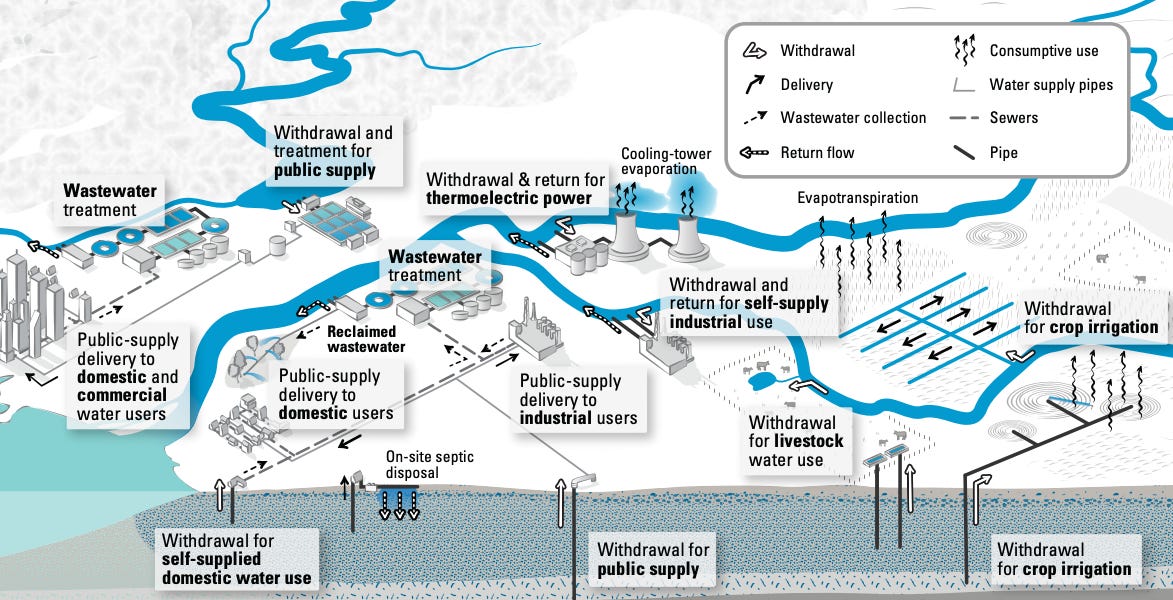
US Water Infrastructure Receives Significantly Less Funding Than Other Infrastructure Sectors
The article examines the underfunding and lack of attention given to US water infrastructure compared to other infrastructure sectors. It hi
 construction-physics.com·10mo ago
US national debt reaches a record $37T, the Treasury Department reports

U.S. National Debt Reaches Record $38 Trillion During Federal Shutdown
The U.S. government's gross national debt has reached a record $38 trillion during a federal shutdown, marking the fastest accumulation of d
 apnews.com·7mo ago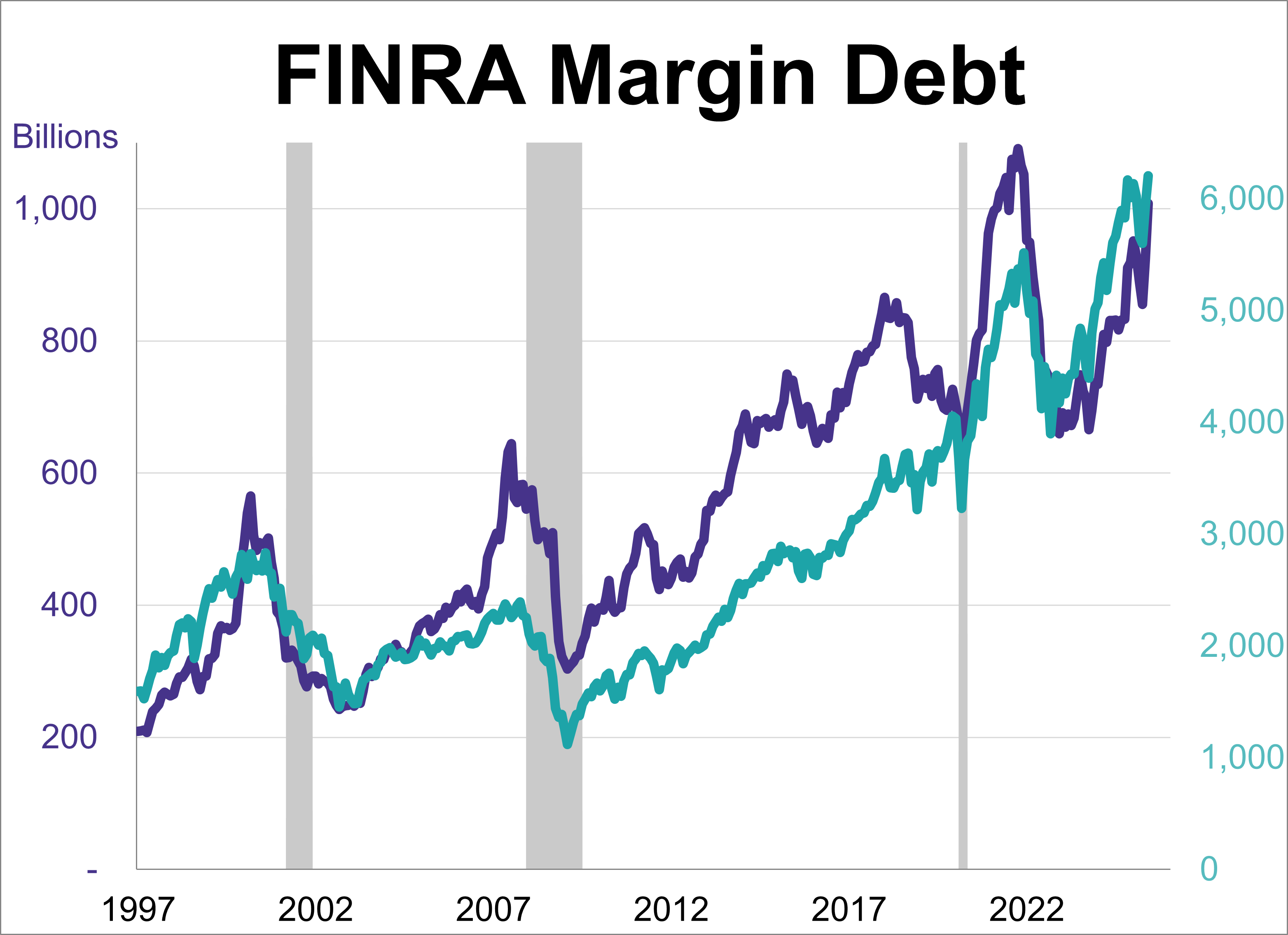
Margin Debt Hits Record $1.007 Trillion in June with 9.5% Monthly Increase
Margin debt reached a record high of $1.007 trillion in June, marking a 9.5% increase from May and the second consecutive monthly surge. Mar
 advisorperspectives.com·10mo ago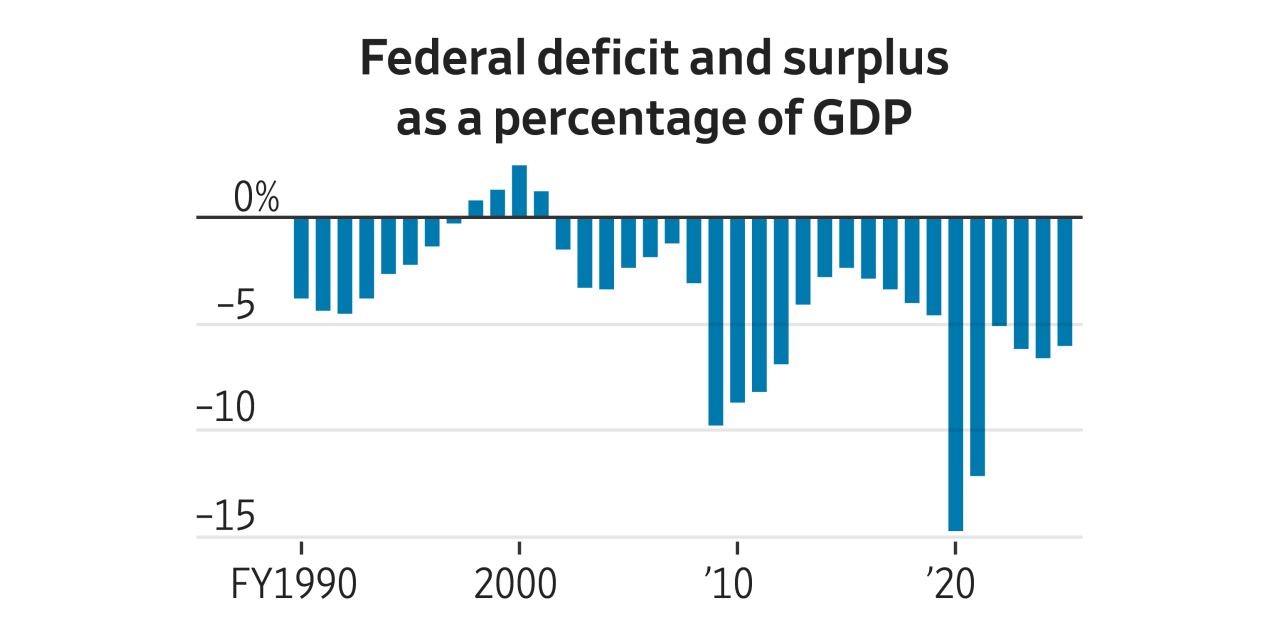
U.S. Federal Budget Deficit Unchanged in Fiscal 2025 Despite Tariff Revenue Increase
The U.S. federal budget remained grim in fiscal year 2025 despite a historic rise in tariff revenue, with the deficit staying the same as th
 wsj.com·8mo ago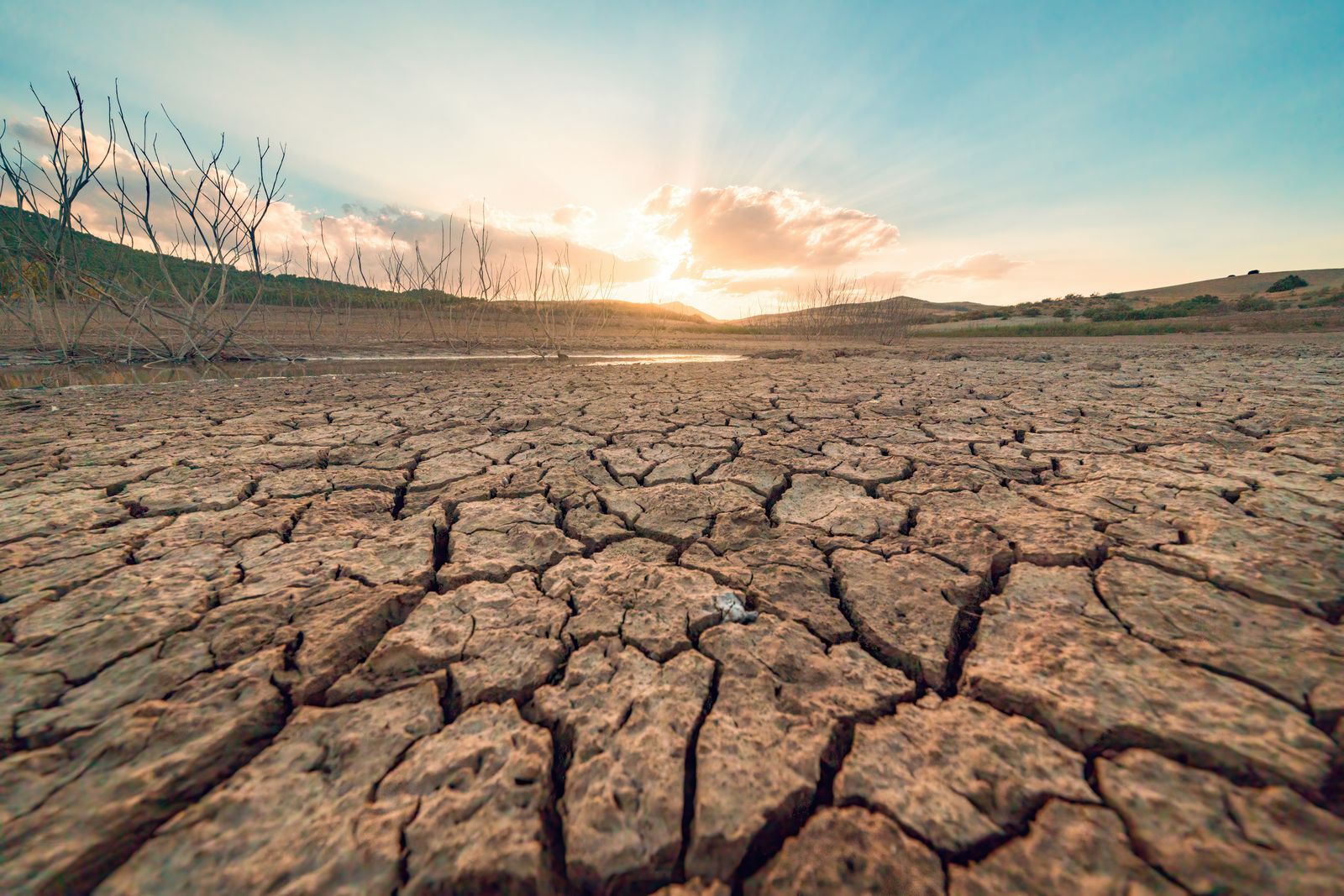
UN Report Warns of 'Global Water Bankruptcy' as 1.8 Billion Face Drought Conditions
The United Nations has declared that the world has entered an era of 'global water bankruptcy,' with more than 1.8 billion people living und
 smithsonianmag.com·4mo ago