





















Re-examining the UFO Cult Case Study: New Research Challenges Cognitive Dissonance Theory
By
Ariarule

Fresh out the oven, still warm. Top of the tray.
Summary
The article is a quarterly links and updates post discussing various topics the author has been reading about. It focuses on a new paper that re-examines the classic case study 'When Prophecy Fails' about a UFO cult's failed apocalypse prediction. The paper reveals that up to half of the attendees at cult meetings may have been undercover researchers, challenging the traditional cognitive dissonance interpretation of the events.
Key quotes
· 3 pulledWhen Prophecy Fails is supposed to be a classic case study of cognitive dissonance: a UFO cult predicts an apocalypse, and when the world doesn't end, they double down and start proselytizing even harder: 'I swear the UFO is coming any minute!'
A new paper finds a different story in the archives of the lead author, Leon Festinger.
Up to half of the attendees at cult meetings may have been undercover research
You might also wanna read


University of Vermont Study Challenges 70-Year-Old Theory That Language Is Organized Around Emotion
A new study from the University of Vermont challenges the 70-year-old theory that word meanings are organized primarily around emotion. Afte

Mathematical Model Identifies the Optimal Threshold for Human Ambition
A collaborative mathematical study reconciled conflicting pieces of cultural advice by mapping the exact parameters of human ambition. Using
 neurosciencenews.com·21h ago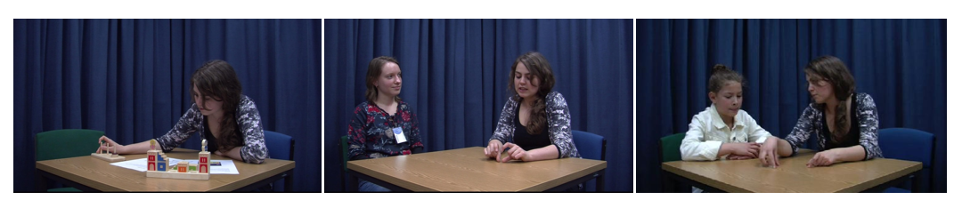
Study finds Italian and Dutch adults use similar teaching gestures when explaining concepts to children
A new study by researchers from the University of Catania and the Max Planck Institute for Psycholinguistics found that Italian and Dutch ad
 mpi.nl·3d ago
The mental number line is not universal: How culture shapes the way we map numbers in our minds
This article explores the SNARC effect (Spatial-Numerical Association of Response Codes), a psychological phenomenon where people associate
 theconversation.com·4d ago
The Science and Ethics of Learning While Asleep: From the Psycho-phone to Modern Dream Research
This article explores the history and modern science of sleep learning, from Alois Benjamin Saliger's 1932 Psycho-phone to contemporary rese
 newyorker.com·1mo ago
Study Finds Intelligent People Are Better at Recognizing Intelligence in Others
A scientific study published in the journal Intelligence reveals that intelligent people are better at recognizing intelligence in others. T
 comuniq.xyz·1mo ago