





















raylib 6.0 Released: New Software Renderer Backend and Major Feature Updates
By
rydgel

A baker's-dozen of insight crammed into one ring.
Summary
raylib 6.0 has been released, described as the biggest release ever for the open-source graphics library. Key highlights include a new software renderer backend (rlsw) that allows raylib to run purely on CPU without GPU dependencies, along with numerous new features and improvements contributed by many developers. The project received financial support from NLnet and the NGI Zero Commond Fund, enabling the lead developer to work on it mostly full-time.
Key quotes
· 3 pulledA new raylib release is finally ready and, again, this is the biggest raylib release ever!
Thanks to the support of many amazing contributors this release comes packed with many new features and improvements
The biggest addition of this new release. A new software renderer backend, that allows raylib to run purely
You might also wanna read


Netflix engineer's open-source tool cuts AI token usage by up to 90%
Netflix senior engineer Tejas Chopra created software called "Project Headroom" that prunes redundant tokens from AI agent instructions befo
 theregister.com·2h ago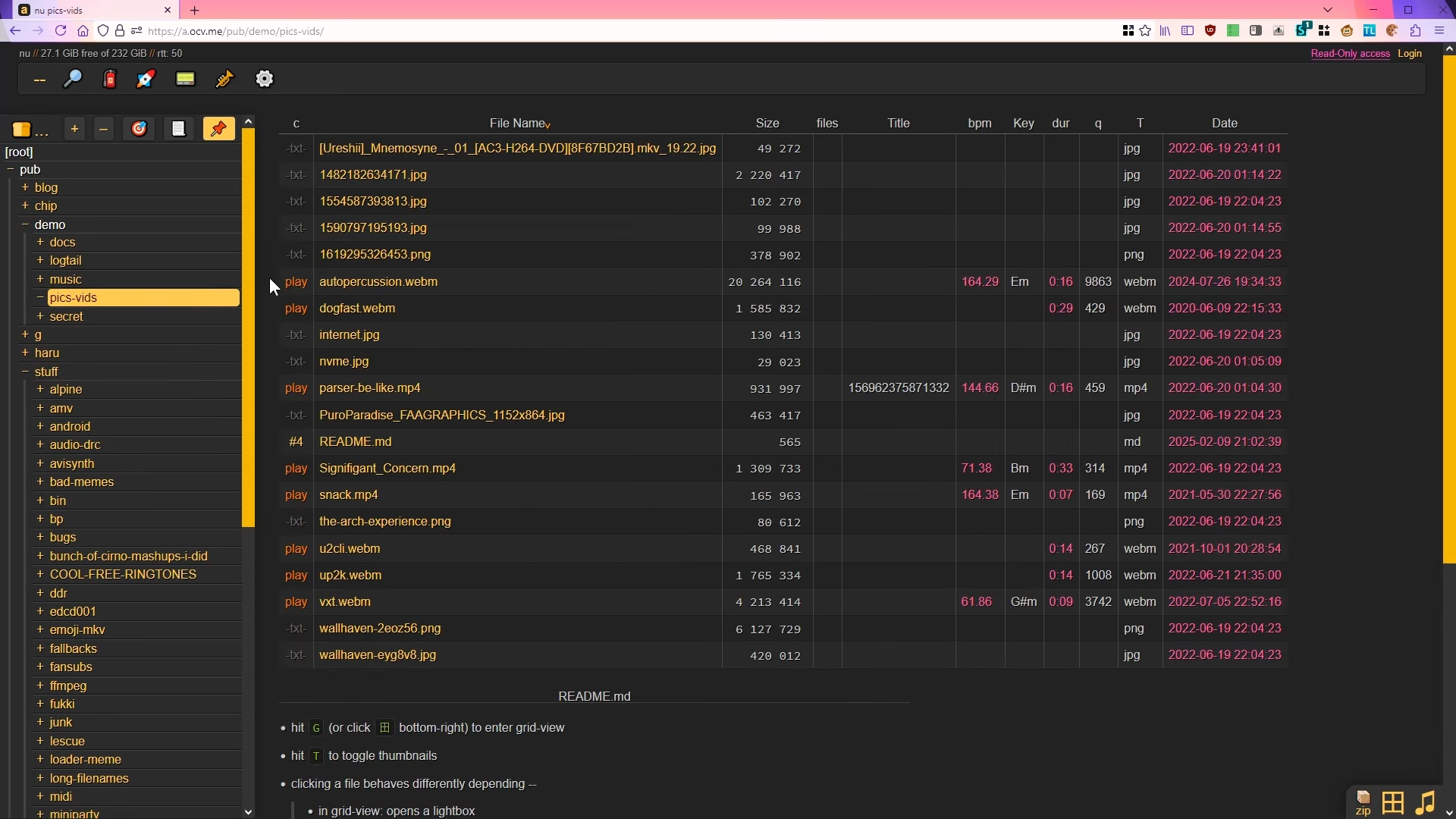
Copyparty: A Lightweight File Server That Runs as a Single Python Script
Copyparty is a lightweight, full-featured file server that runs as a single Python script, making it extremely easy to set up without needin
 hackaday.com·4h ago
Researcher's "ADHD" tool for Claude Code claims 2x improvement; experts call for more evidence
Solo researcher Udit Akhouri released a third-party Agent SDK tool called "ADHD" for Claude Code on Reddit, claiming it makes the coding age
 bit.ly·1d ago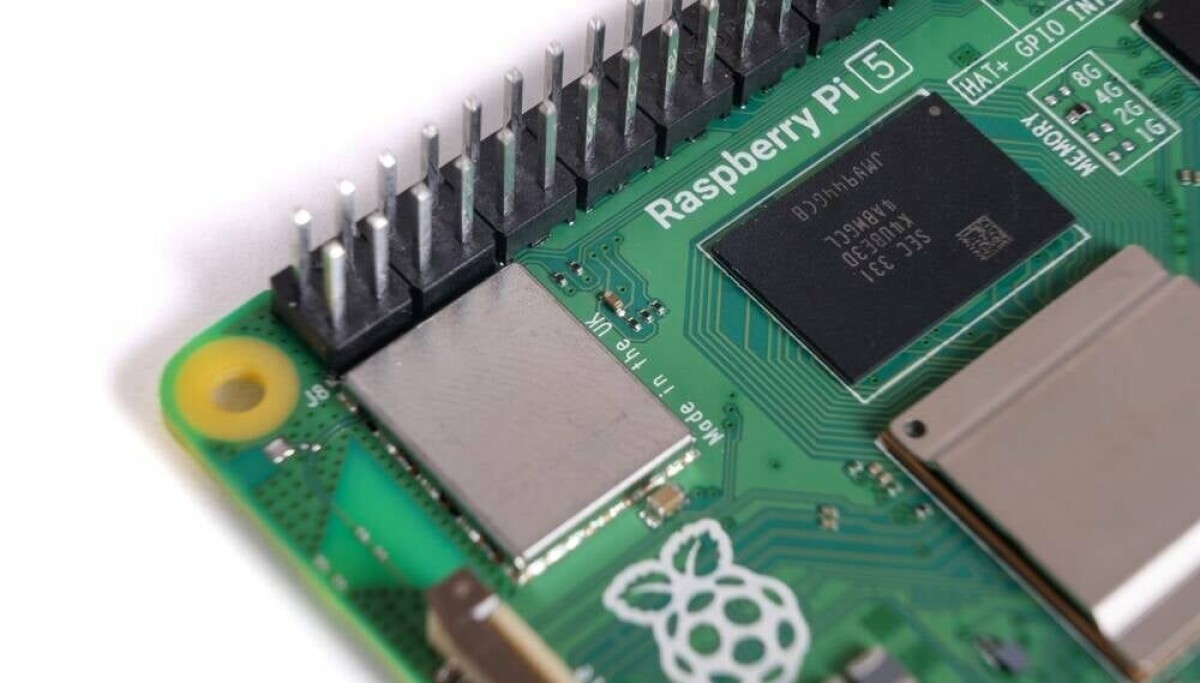
ReactOS open-source Windows NT clone reaches ARM64 boot milestone on Raspberry Pi 5
ReactOS, the open-source project aiming to recreate Windows NT, has achieved a new milestone by booting on ARM64 architecture. The experimen
theregister.com·1d ago
Zig Devlog: Build System Rework Separates Maker and Configurer Processes
This devlog entry from the Zig programming language project announces a major rework of the build system, separating the maker process from
ziglang.org·1d ago
Reflections on DwarfStar 4's rapid rise in local AI inference
The author reflects on the unexpected popularity of DwarfStar 4 (DS4), a local AI inference project. They attribute its success to the conve
antirez.com·1d ago