





















Raspberry Pi Pico Achieves 100 Mbit/s Ethernet Through Software Bit-Banging
By
chaosprint

Crisped on the outside, thoughtful enough on the inside.
Summary
Developer Steve Markgraf has successfully implemented 100 Mbit/s Fast Ethernet on the Raspberry Pi Pico using only software and PIO (Programmable I/O), building on previous work from three years ago when another developer achieved 10 Mbit/s Ethernet on the same hardware. This represents a significant technical achievement in bit-banging high-speed networking protocols on low-cost microcontroller hardware.
Key quotes
· 3 pulledThree years after the popular Pico-10BASE-T experiment and following bit-banged USB in 2023, developer Steve Markgraf now bit-bangs 100 Mbit/s Fast Ethernet on the Raspberry Pi Pico using only software and PIO.
Three years ago, @kingyoPiyo's Pico-10BASE-T project drew wide attention right here on Elektor for implementing 10 Mbit/s Ethernet on the Raspberry Pi Pico using just a few resistors.
Developer Steve Markgraf now bit-bangs 100 Mbit/s Fast Ethernet on the Raspberry Pi Pico using only software and PIO.
You might also wanna read

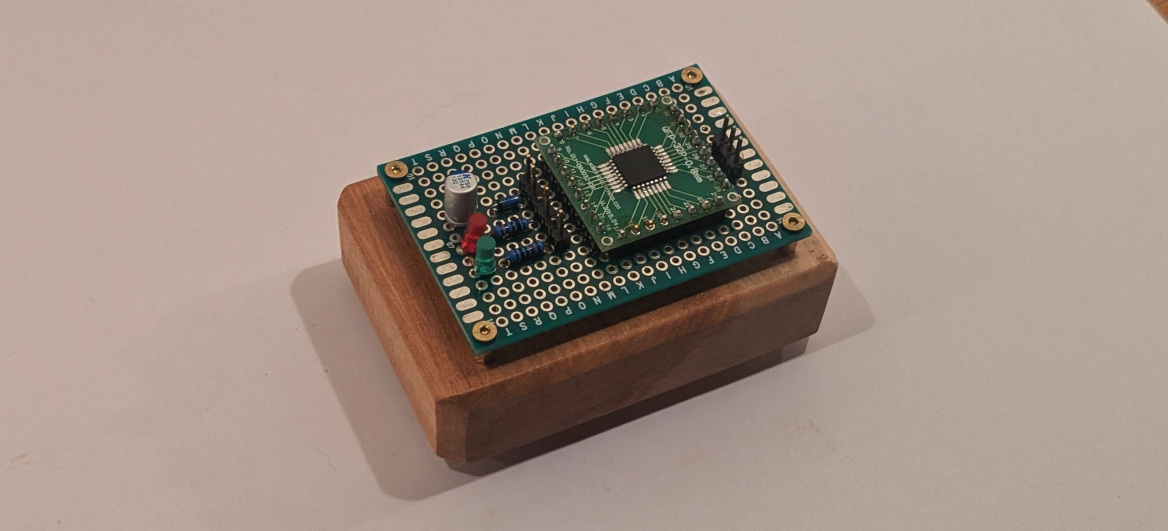
Hosting a website on an 8-bit AVR64DD32 microcontroller
A technical blog post detailing the author's experiment of hosting a functional website on an AVR64DD32 microcontroller — an 8-bit AVR chip
 maurycyz.com·15d ago
Implementing LPC Audio Playback on a 10-Cent Microcontroller with 16K Flash Memory
The article demonstrates how to fit approximately 7 seconds of audio into 16K of flash memory on a 10-cent microcontroller unit (MCU) while
 atomic14.com·7mo ago
wolfCOSE: A Lightweight COSE + CBOR Library for Embedded Systems with PQC and FIPS 140-3 Support
wolfCOSE is a lightweight C library implementing CBOR (RFC 8949) and COSE (RFC 9052/9053) for embedded systems, using wolfSSL as the crypto
 github.com·1d ago
Running Rust and Slint on a Jailbroken Kindle Paperwhite
A developer jailbreaks their 7th generation Kindle Paperwhite to use it as a nightstand clock, then explores running Rust (and Slint) on the
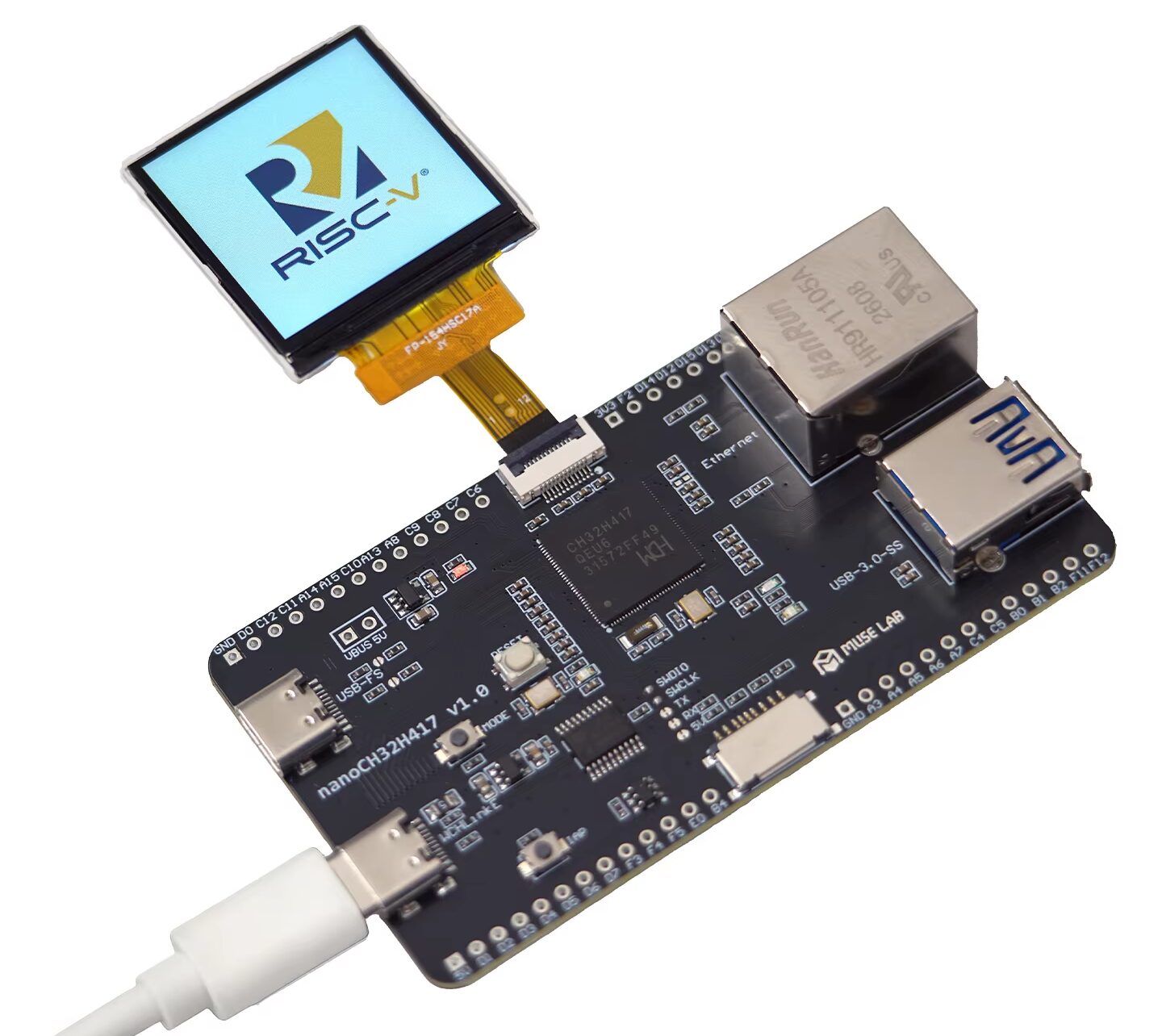
MuseLab nanoCH32H417: $17 RISC-V MCU Board with USB 3.0 and Fast Ethernet
MuseLab has released the nanoCH32H417, a third-party development board for the WCH CH32H417 dual-core RISC-V MCU. Priced at $17, the board f
 cnx-software.com·5d ago
Flipper One Technical Documentation: Hardware, Software, and Testing Guide
This is technical documentation for the Flipper One device, covering hardware specifications (power subsystem, Wi-Fi/Bluetooth, M.2 port, GP