





















Questioning the Ubiquitous Serial.begin(115200) in Arduino Programming
By
iamflimflam1

Front-window bakery material. Catches the eye, delivers the goods.
Summary
The article investigates the common Arduino programming practice of using Serial.begin(115200) and questions its actual necessity. The author discovered through audio streaming tests that the baud rate setting doesn't actually affect data transfer rates as expected. The piece examines why this specific baud rate became ubiquitous in Arduino projects despite potentially being unnecessary, and explores the technical reality behind serial communication in embedded systems.
Key quotes
· 3 pulledThis line of code is everywhere - a quick search on GitHub finds over 450,000 instances of it.
I was streaming audio from the board and noticed that the rate I was receiving data at bore no relation to the baud rate I was setting.
This matches exactly what I put in the Serial.begin but the actual data transfer didn't correspond to that setting.
You might also wanna read

wolfCOSE: A Lightweight COSE + CBOR Library for Embedded Systems with PQC and FIPS 140-3 Support
wolfCOSE is a lightweight C library implementing CBOR (RFC 8949) and COSE (RFC 9052/9053) for embedded systems, using wolfSSL as the crypto
 github.com·1d ago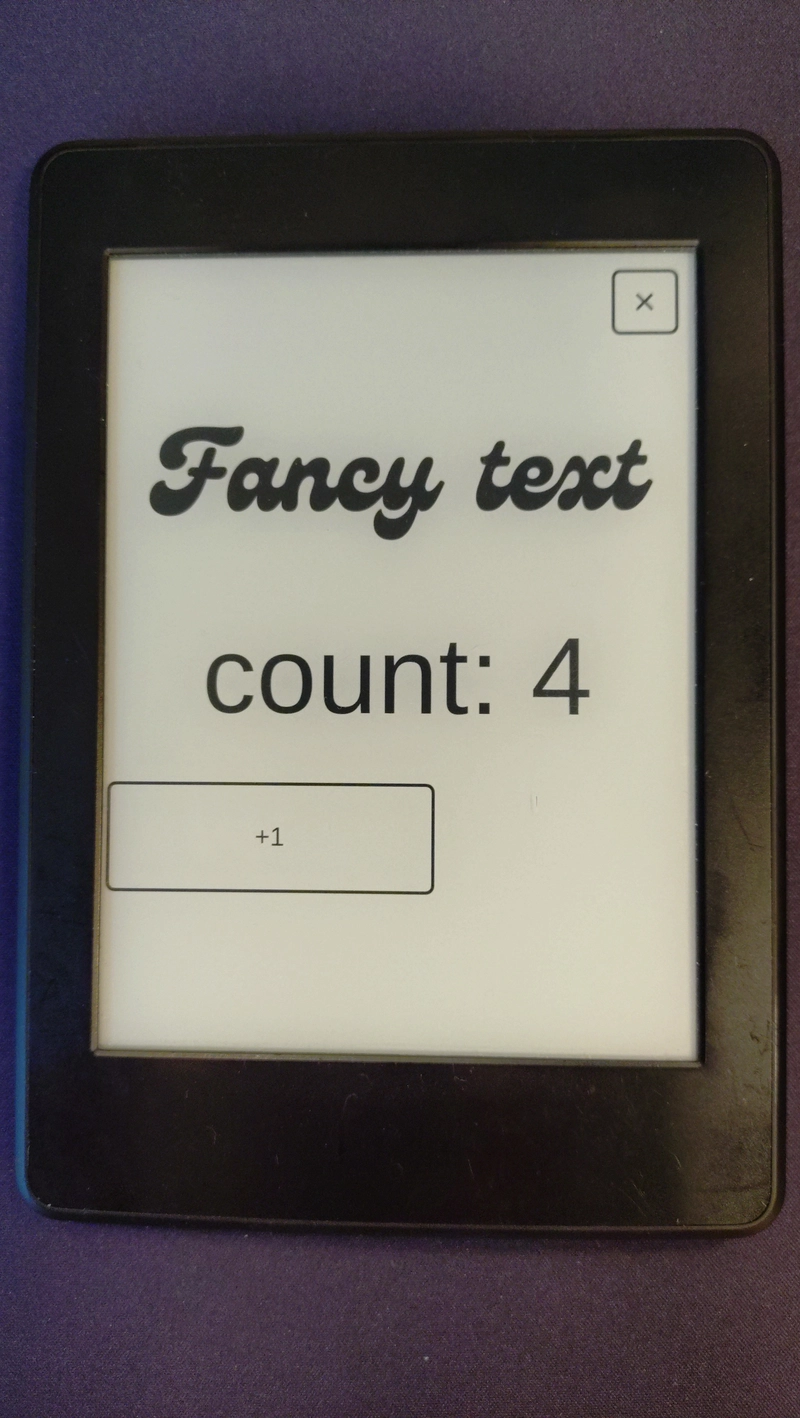
Running Rust and Slint on a Jailbroken Kindle Paperwhite
A developer jailbreaks their 7th generation Kindle Paperwhite to use it as a nightstand clock, then explores running Rust (and Slint) on the
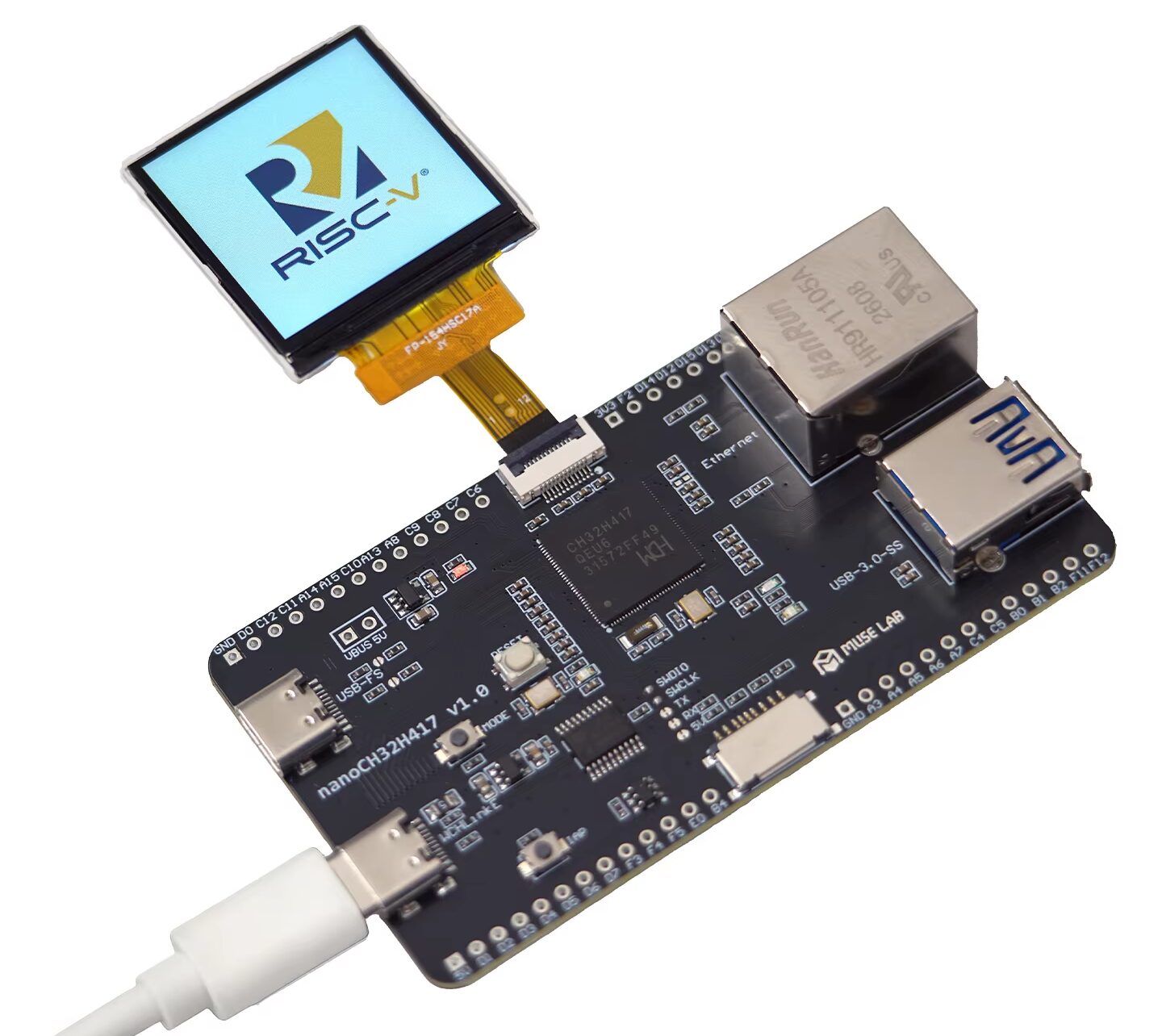
MuseLab nanoCH32H417: $17 RISC-V MCU Board with USB 3.0 and Fast Ethernet
MuseLab has released the nanoCH32H417, a third-party development board for the WCH CH32H417 dual-core RISC-V MCU. Priced at $17, the board f
 cnx-software.com·4d ago
Flipper One Technical Documentation: Hardware, Software, and Testing Guide
This is technical documentation for the Flipper One device, covering hardware specifications (power subsystem, Wi-Fi/Bluetooth, M.2 port, GP

rkdebian: Run Debian 12 on Doogee U10 Tablet via SD Card Without Bootloader Unlock
This article presents rkdebian, a build system that enables running full Debian 12 Bookworm on a Doogee U10 tablet (RK3562 chipset) without
github.com·14d ago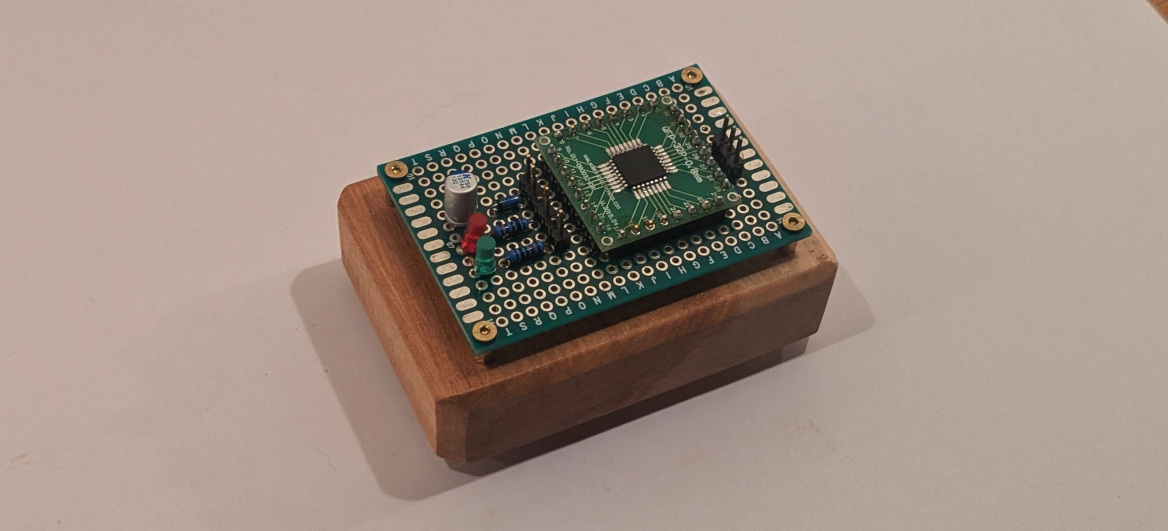
Hosting a website on an 8-bit AVR64DD32 microcontroller
A technical blog post detailing the author's experiment of hosting a functional website on an AVR64DD32 microcontroller — an 8-bit AVR chip
 maurycyz.com·15d ago