





















Quantum Supremacy Explained: 2026 Guide to the Milestone, Google Sycamore, and Key Competitors
By
Quantum Computing Technology

Crackling crust, pillowy middle. The kind of bagel that earns a second cup of coffee.
Summary
A comprehensive 2026 guide explaining quantum supremacy (also called quantum advantage) — the milestone where a programmable quantum computer solves a task no classical computer can feasibly complete. It covers the term's origin by Caltech physicist John Preskill in 2012, Google's 2019 claim with the Sycamore processor, and contrasts quantum supremacy with quantum advantage. The guide also references China's Jiuzhang and Zuchongzhi systems and the random circuit sampling benchmark.
Key quotes
· 3 pulledQuantum supremacy, also commonly known as quantum advantage, is the milestone at which a programmable quantum computer solves a specific computational task that no classical computer can solve in any feasible amount of time.
The phrase quantum supremacy was coined by Caltech physicist John Preskill in 2012.
It became one of the most-watched and most-contested benchmarks in computing when Google claimed to have reached it with its Sycamore processor in 2019.
You might also wanna read

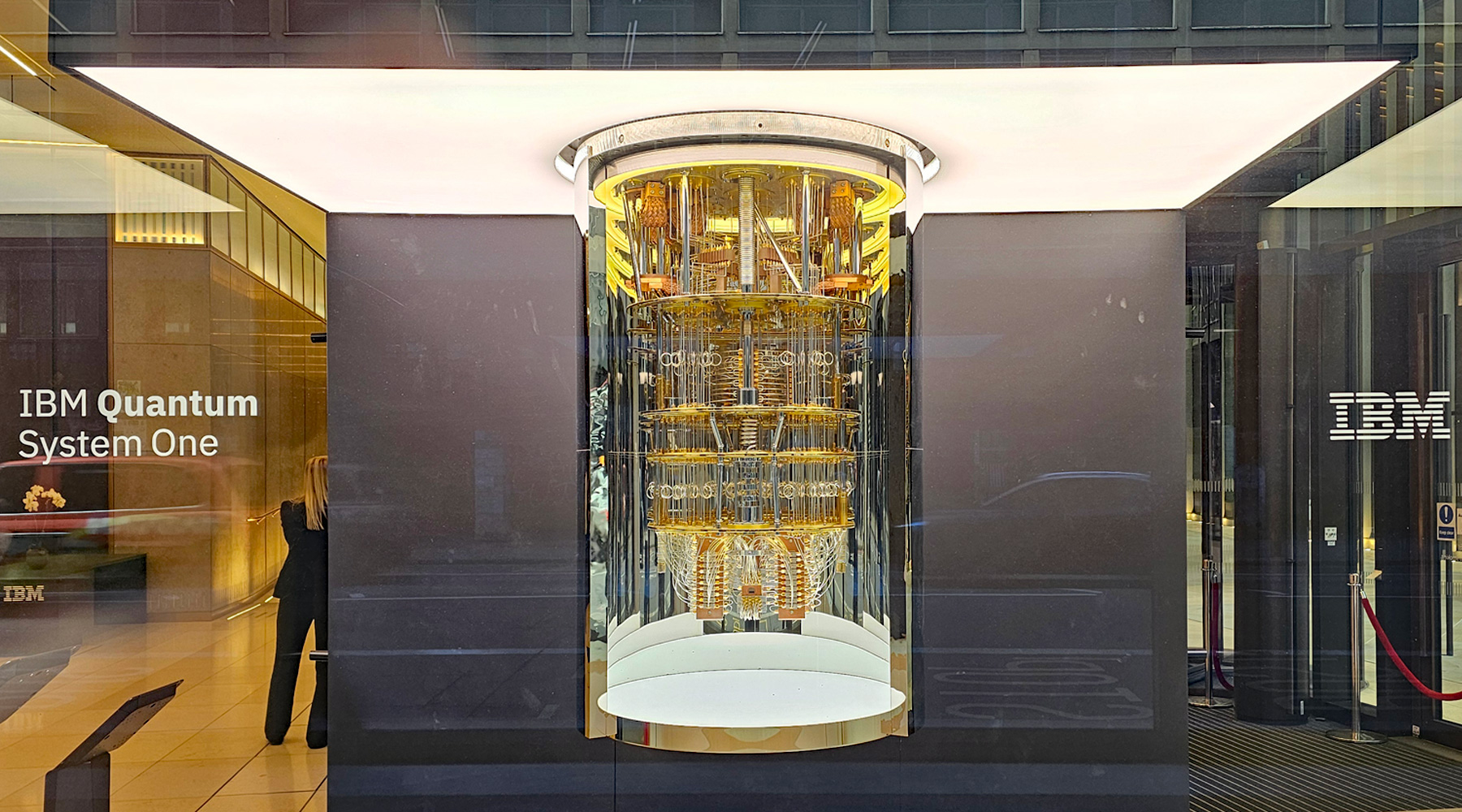
IBM's Quantum System One: First Commercial Quantum Computer on Display in Waterloo Office
The article describes IBM's Quantum System One, the first circuit-based commercial quantum computer launched in January 2019, which is on di

Cryptography Engineer Updates Quantum Computing Timeline Assessment, Urges Faster Adoption of Quantum-Resistant Cryptography
A cryptography engineer explains their changed position on quantum computing timelines, stating that recent public progress from Google and

Demonstration of Algorithmic Quantum Speedup for an Abelian Hidden Subgroup Problem
journals.aps.org·11mo ago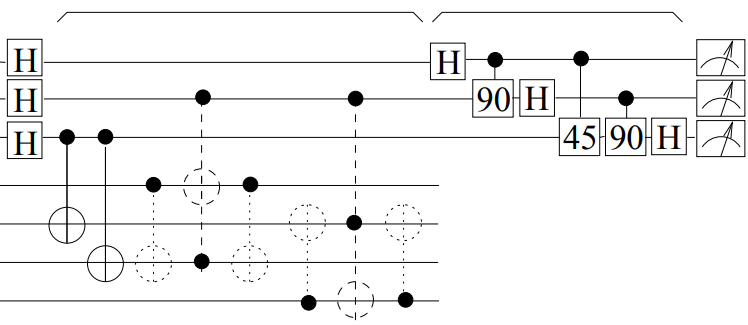
The Technical Reason Quantum Computers Haven't Factored 21 Yet
The article explains why quantum computers, despite factoring 15 in 2001, haven't yet factored 21 in 2025. It debunks the misconception that
 algassert.com·9mo ago
Teenager Challenges Quantum Computing Advancement with Classical Computers
An 18-year-old from Texas, Ewin Tang, has demonstrated that classical computers can solve the 'recommendation problem' nearly as efficiently
quantamagazine.org·10mo ago