





















Practical Perspective on UML Diagrams in Software Engineering
By
prodigycorp

The kind of bagel that ruins lesser bagels for you.
Summary
The article presents a personal opinion on the use of UML (Unified Modeling Language) diagrams in software engineering. The author argues that while everyone in software development should be familiar with UML and understand how key diagram types work, it shouldn't be used religiously or dogmatically. The author emphasizes that diagrams serve as valuable communication tools for explaining high-level architecture, refining database schemas, documenting interaction flows, and visually identifying problem areas like components with excessive dependencies. The perspective is balanced, advocating for practical, situational use of diagrams rather than rigid adherence to UML standards.
Key quotes
· 4 pulledIn a nutshell: everyone should know about UML and how some relevant diagram types look. Nobody should use it religiously.
Diagrams are great tools for communicating ideas and implementations on an abstract level, and for interactively thinking about ideas that can be drawn in some way.
A diagram can also visually highlight problem areas (e.g., components with many dependencies).
Good use cases for diagrams in SE are e.g., explaining high-level architecture to someone, thinking about and refining database schemas, documenting interaction flows
You might also wanna read


Three Years In: A Senior Engineer's Reflection on AI's Impact on the Software Development Role
A senior engineer reflects on the long-term sustainability of AI tools in software development, three years into deep organizational adoptio
 jamiehurst.co.uk·10h ago
Three Years In: A Senior Engineer's Reflection on AI's Impact on the Software Development Role
A senior engineer reflects on the long-term sustainability of AI tools in software development, three years into deep organizational adoptio
jamiehurst.co.uk·10h ago
Bijou64: A variable-length integer encoding that's both correct and accidentally fast
This article describes the development of bijou64, a variable-length integer (varint) encoding created for the Subduction CRDT sync protocol
 inkandswitch.com·23h ago
Bijou64: A variable-length integer encoding that's both correct and accidentally fast
This article describes the development of bijou64, a variable-length integer (varint) encoding created for the Subduction CRDT sync protocol
inkandswitch.com·23h ago
Domain Expertise, Not Code, Is the True Competitive Advantage in Software
The article argues that true competitive advantage ("moat") in software has always been domain expertise—deep understanding of the business
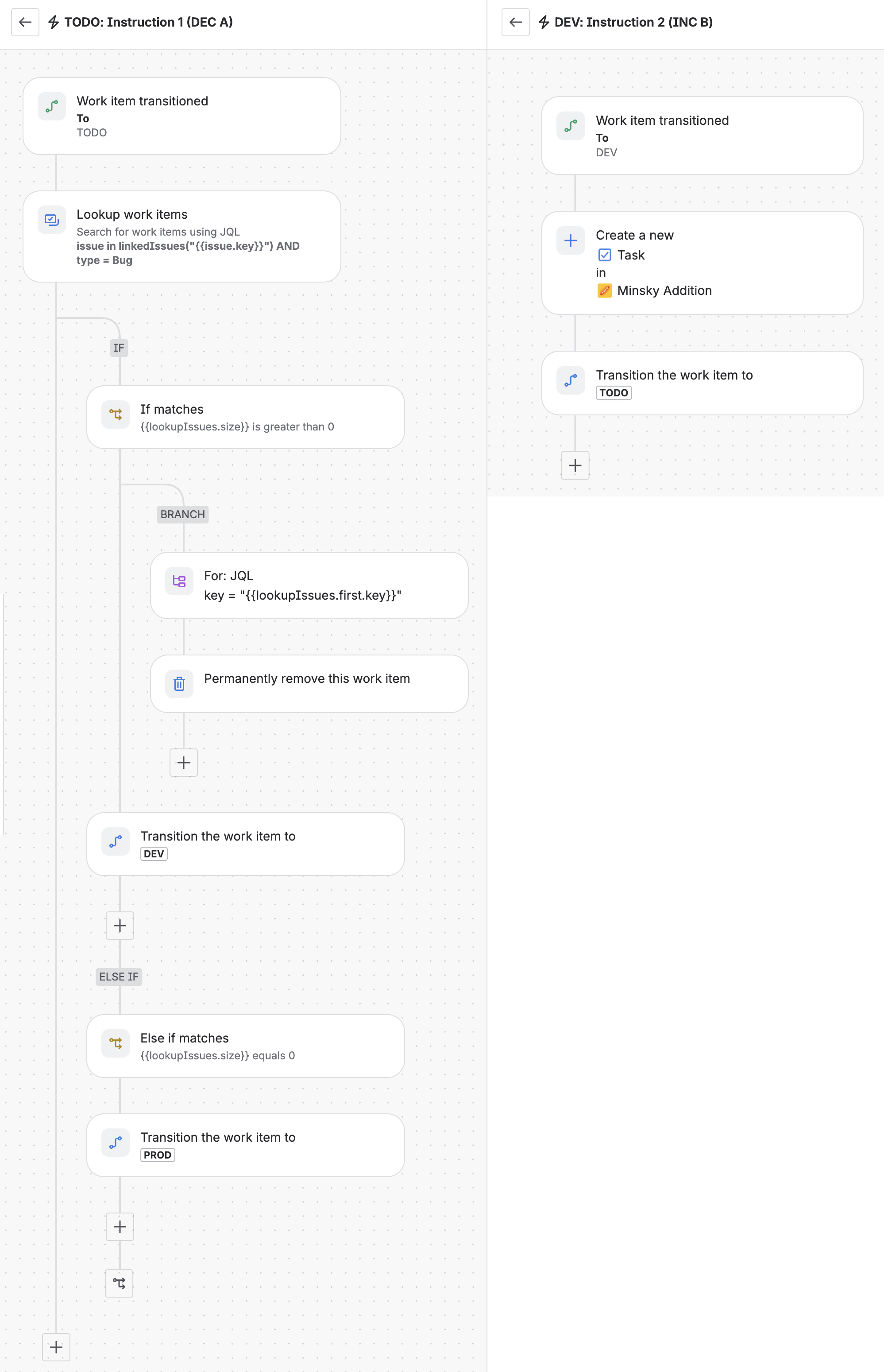
A Formal Proof That Jira Is Turing-Complete via Minsky Machine Implementation
This article provides a formal proof that Jira (Atlassian's project-tracking tool) is Turing-complete by demonstrating how to build a Minsky