





















The IBM 604: A 1948 electronic calculator that bridged electromechanical and digital computing
By
elpocko

A five-star bake. Worth schmearing, sharing, saving.
Summary
The article explores the historical context of computing in 1948, focusing on the IBM 604 electronic calculator. It describes the transition from electromechanical punch card equipment to electronic computing, highlighting how World War II accelerated the development of vacuum tube technology for radio, radar, and navigation. The piece details the IBM 604's role as an early electronic calculator that bridged the gap between electromechanical tabulating machines and fully electronic computers like ENIAC and Colossus.
Key quotes
· 4 pulled1948 was an interesting time for computing.
For decades, businesses had used punch card equipment that added and sorted electromechanically.
World War II had fostered the development of electronics and vacuum tubes for radio, radar, and navigation.
Electronic technology was being used in massive electronic computers, such as Colossus (1943) and ENIAC (1945).
You might also wanna read

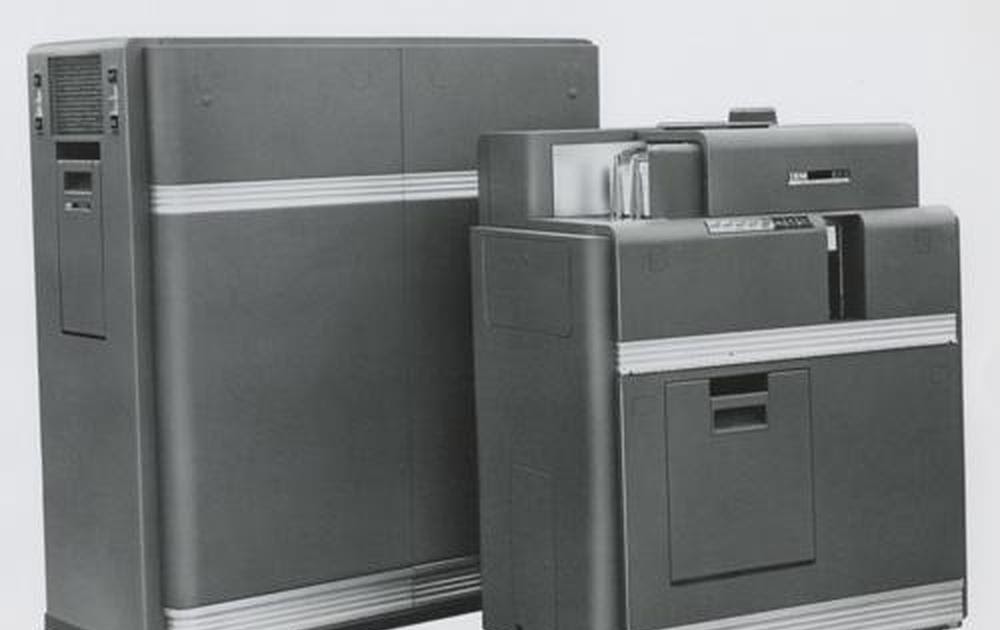
Restoring and powering up a vacuum-tube module from IBM's 1948 electronic calculator
The article explores the IBM 604 electronic calculator from 1948, a transitional machine that bridged electromechanical punch card equipment
 righto.com·2h ago
5 Everyday Technologies That Originated in the 1960s
This article explores five everyday technology items that originated in the 1960s, including the computer mouse, LED lights, barcode scanner
 slashgear.com·4d ago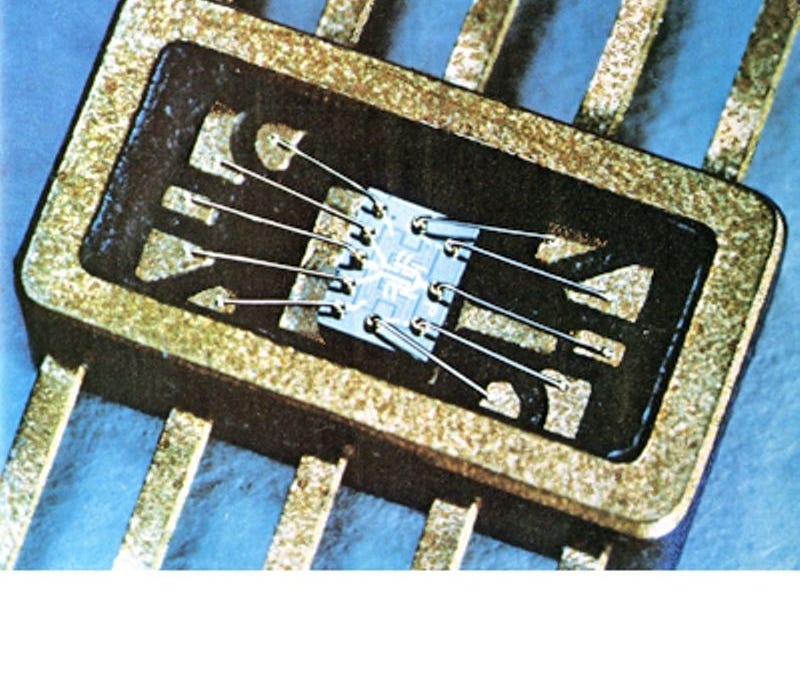
The Historical Evolution of Semiconductor Scaling and the Rise of Chiplets
This article traces the historical evolution of semiconductor scaling, from vacuum tubes and early transistors to modern integrated circuits
 chipstrat.com·2d ago
Pneumatic Logic Powers a Soft Silicone Clock Display
This article explores the emerging field of fluidics and pneumatic logic as an alternative to traditional electronic computation. It highlig
 spectrum.ieee.org·8d ago
The Evolution of Chess Computers: From Hidden Humans to Unbeatable Engines
The article traces the evolution of chess-playing machines from the 18th century to modern supercomputers, explaining how computers went fro
 Duolingo·2mo ago
7 Key Innovations That Emerged During World War II
This article explores the relationship between war and innovation, challenging the common notion that wars inherently drive invention. It pr
 historyfacts.com·1d ago