





















Postmodernism's Impact on Contemporary Literature: A Critique of Moral and Narrative Decline
By
Bostonian

Sesame, salt, and substance. A flagship bake.
Summary
The article critiques contemporary literature through the lens of postmodernism's influence, using Ottessa Moshfegh's novel 'My Year of Rest and Relaxation' as a case study. The author argues that postmodernism has led to literature that lacks moral purpose, character development, and meaningful conclusions, creating works where protagonists learn nothing and stories lack resolution. The piece contrasts this with traditional literature that offered moral instruction and character growth, suggesting that postmodernism's rejection of objective truth and meaning has diminished literature's cultural value.
Key quotes
· 5 pulledMoshfegh's unnamed narrator walks away learning absolutely nothing.
Postmodernism has killed great literature by stripping it of its moral purpose and its ability to offer meaningful conclusions.
The postmodern novel is a novel without a moral, a novel that offers no instruction, no guidance, no hope.
Great literature has always been about the search for meaning, the struggle to understand the human condition, and the attempt to find some kind of moral order in a chaotic world.
Postmodernism has left us with a literature that is empty, nihilistic, and ultimately meaningless.
You might also wanna read


Reconsidering Literary Snobbery: A Reflection on What Makes a Real Novel
A reflective, personal essay about the author's college-era literary snobbery and narrow definition of what constitutes a "real novel." The
 Defector·23d ago
Douglas Adams' Analysis of English-American Cultural Differences in Hero Narratives
The article discusses Douglas Adams' observation about cultural differences between English and American audiences regarding heroes and stor
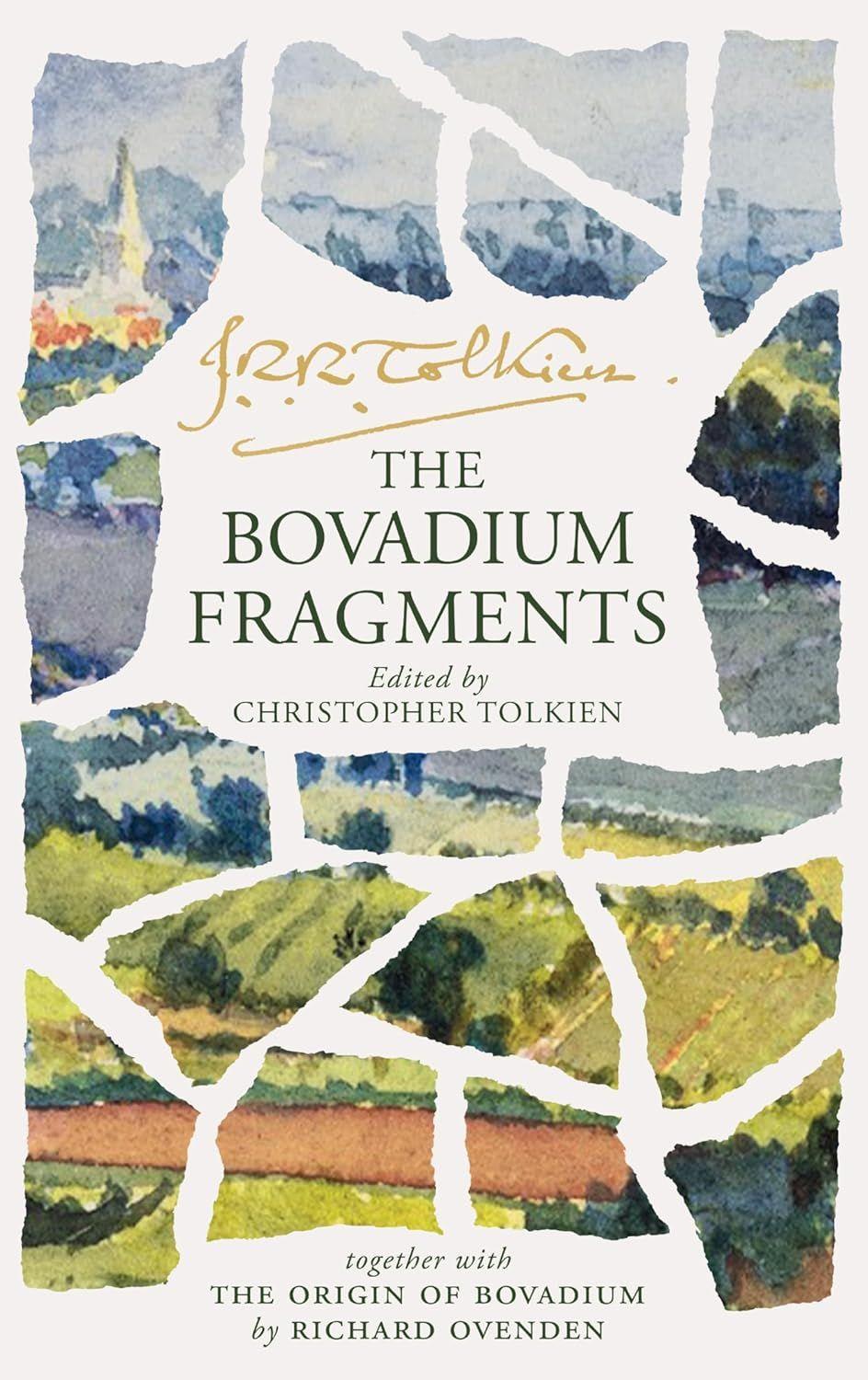
Review: Tolkien's 'The Bovadium Fragments' - A Satirical Critique of Motorized Society
Christian Kriticos reviews 'The Bovadium Fragments,' a newly published complete work by J.R.R. Tolkien that satirizes modern mechanization a
 lareviewofbooks.org·5mo ago
The Transition from Literate to Post-Literate Society: Historical Context and Modern Implications
The article examines the historical shift from a literate society to a post-literate era, tracing how the 18th century reading revolution tr
 jmarriott.substack.com·8mo ago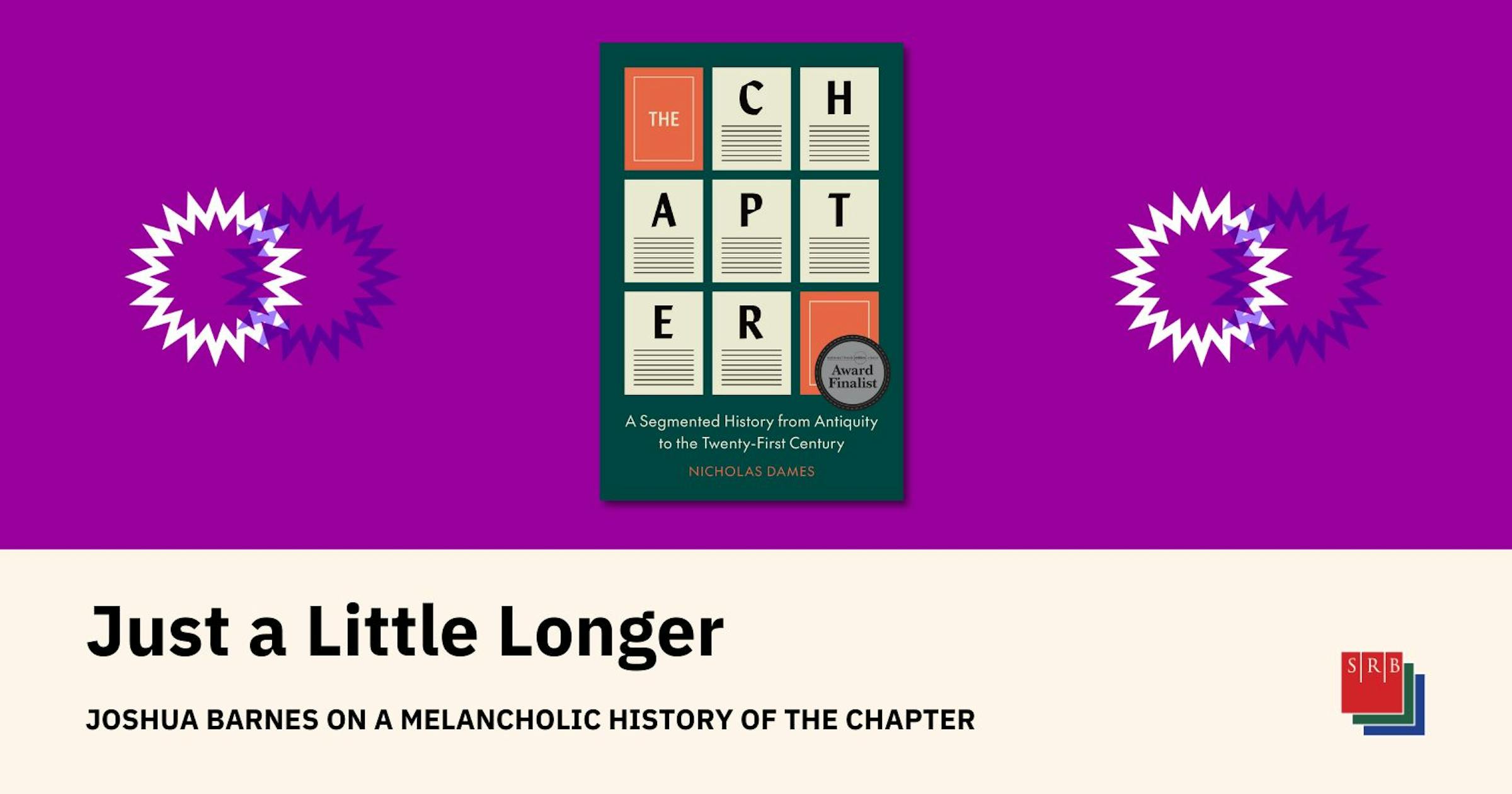
Review: The History and Significance of Chapter Divisions in Literature
This article is a book review by Joshua Barnes examining Nicholas Dames' historical study of literary segmentation and chapter divisions in
 sydneyreviewofbooks.com·9mo ago
Kent Osband's "Rationally Turbulent Expectations" Explores Bayesian Learning with Calm and Turbulent Phases
Kent Osband summarizes his research on "rational turbulence" in a new book, building on work previously linked by the blog. The key finding