





















Computational analysis reveals systemic political electioneering from evangelical pulpits in the US
By
Sean J. Westwood

Sesame, salt, and substance. A flagship bake.
Summary
This article presents a computational analysis examining the extent of political electioneering from evangelical pulpits in the United States, despite the Johnson Amendment's prohibition on 501(c)(3) nonprofits endorsing or opposing political candidates. It analyzes data on how evangelical churches engage in prohibited electoral advocacy, contributing to concerns about the separation of church and state and democratic governance. The research uses computational methods to quantify and characterize the scale and nature of political messaging within religious services.
Key quotes
· 3 pulledThe separation of church and state is a foundational principle of American democracy.
Religious institutions' engagement in prohibited electoral advocacy is a growing concern for democratic governance.
In the United States, such mobilization has been especially visible within the evangelical community.
You might also wanna read

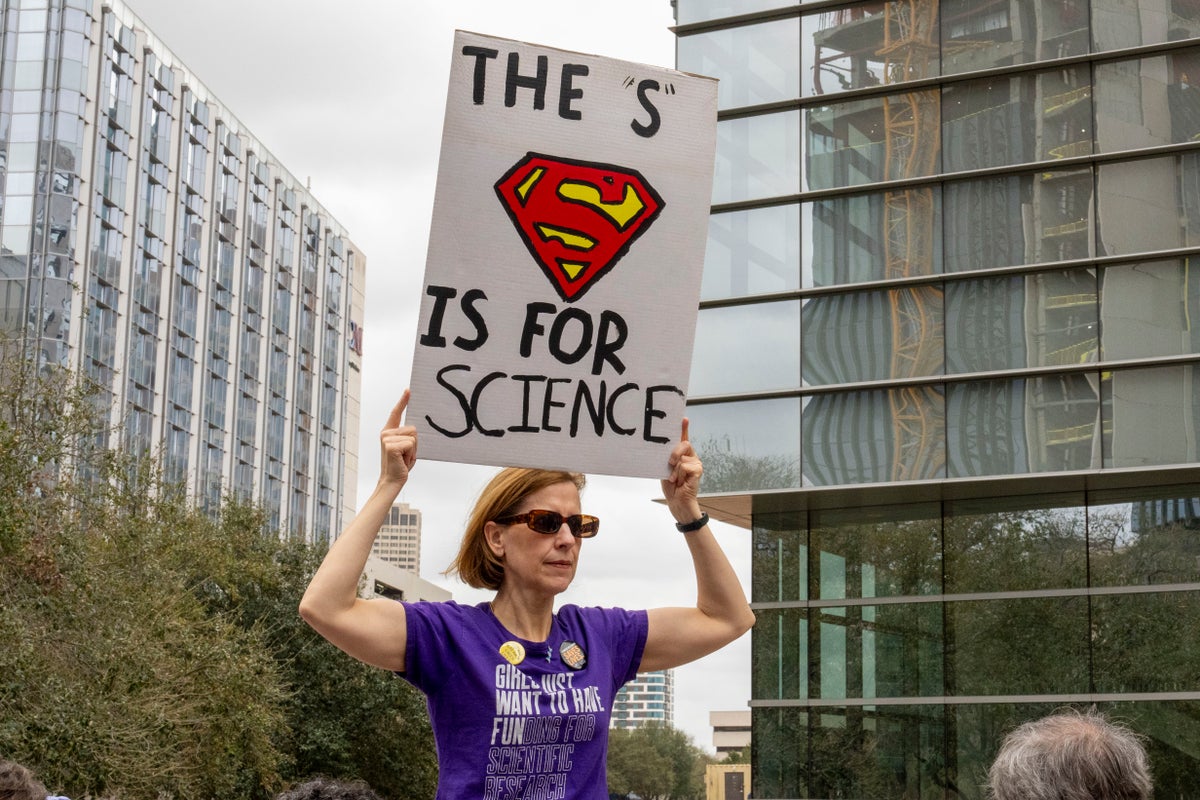
Pew Report: Americans Value U.S. Science Leadership but See Partisan Divides on Global Standing
A Pew Research Center report reveals that while a majority of Americans believe the U.S. should be a world leader in science, there are grow
 scientificamerican.com·4mo ago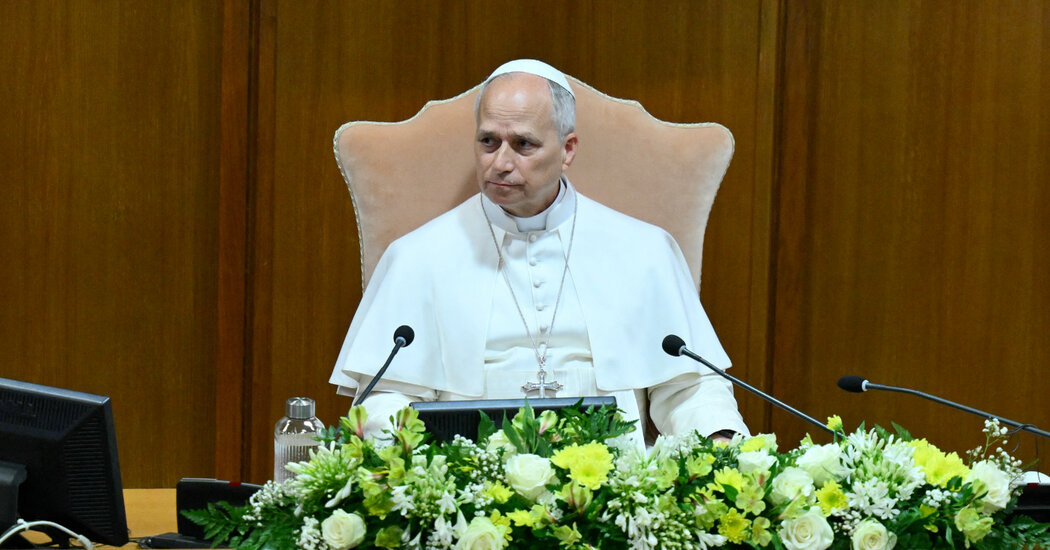
Pope Leo XIV's First Encyclical Warns of AI Risks to Human Dignity
Pope Leo XIV released his first encyclical, "Magnifica Humanitas," a 42,300-word document addressing the risks of artificial intelligence. T
 nytimes.com·3h ago
2026 Peer Review Report Challenges Crisis Narrative, Calls for Evidence-Based Assessment
The 2026 Future of Peer Review Report challenges the prevailing narrative that peer review is in crisis. Based on eight years of ScholarOne
 silverchair.com·10h ago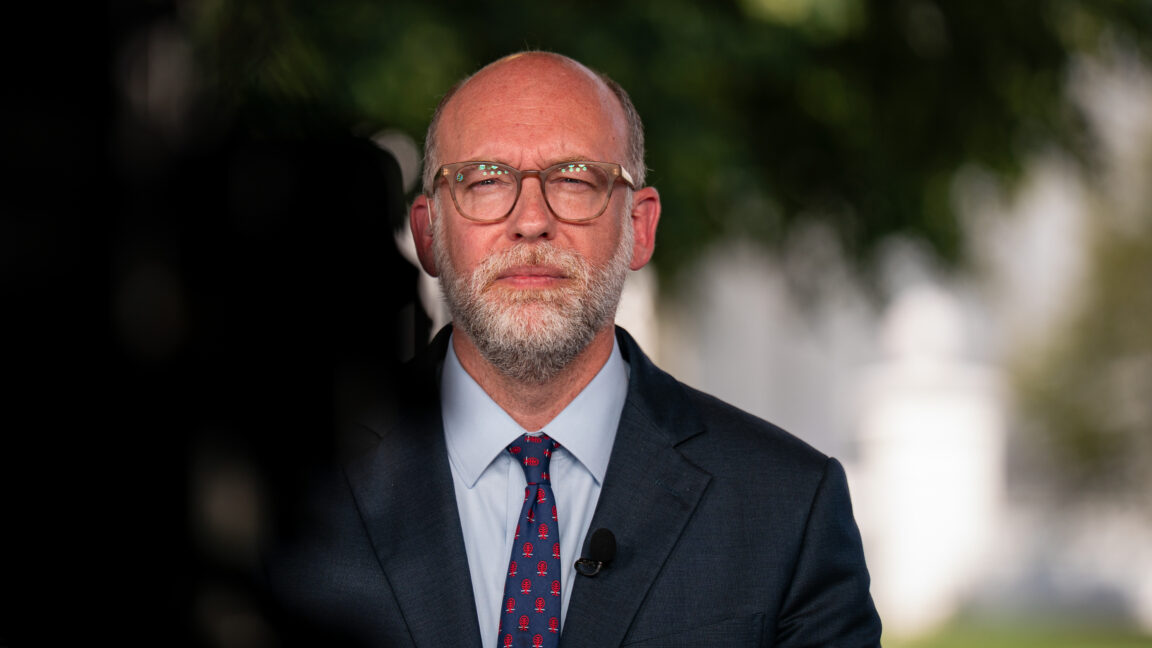
Proposed US funding rules would let political appointees override peer review and cancel grants at will
The article discusses proposed changes to US government grant funding rules under the Trump administration, which would shift decision-makin
 arstechnica.com·12h ago
Proposed US funding rules would let political appointees override peer review and cancel grants at will
The article discusses proposed changes to US government grant funding rules under the Trump administration, which would shift decision-makin
arstechnica.com·12h ago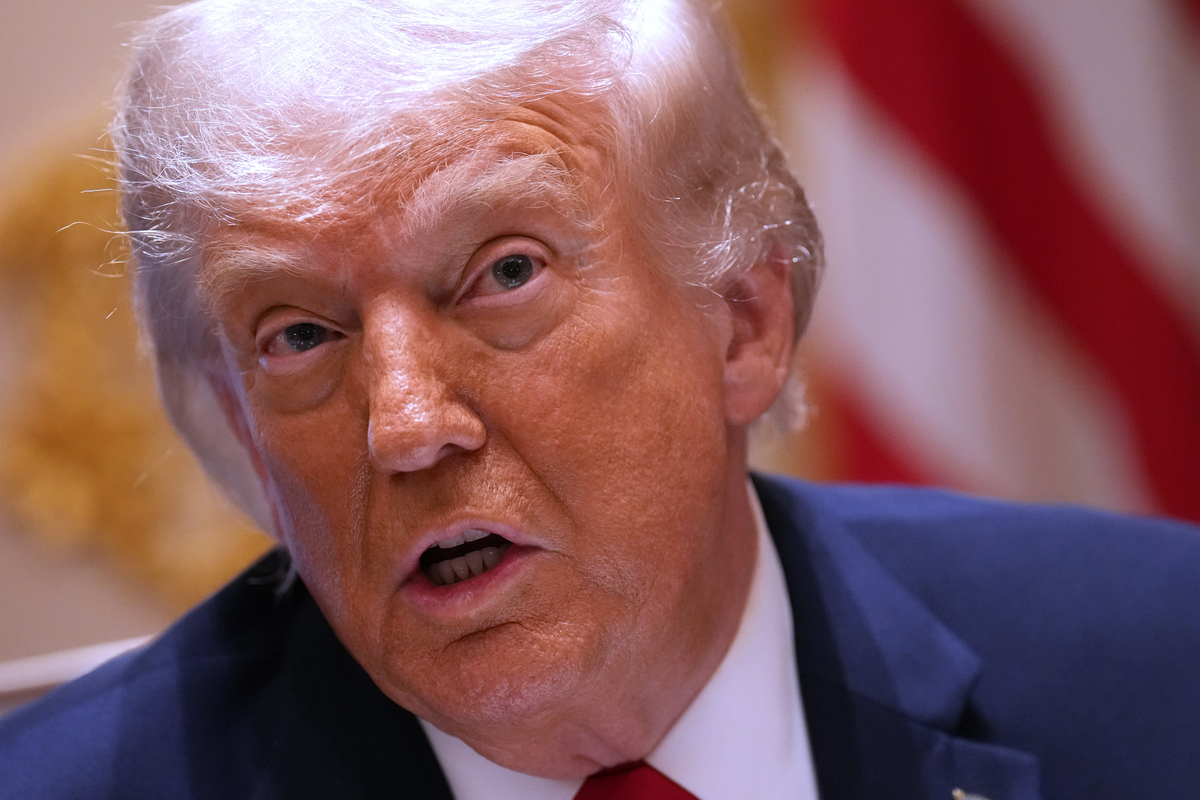
Trump administration proposes federal grant overhaul targeting scientific research
The Trump administration, through the Office of Management and Budget, has proposed revising federal grantmaking regulations that would requ
 eenews.net·18h ago