





















Semantic knowledge as a cognitive driver of human innovation and cultural evolution
By
Björn Lindström

Master baker tier. Every paragraph earns its place on the tray.
Summary
This research article explores how semantic knowledge—our internal understanding of how concepts relate to one another—drives human innovation and cultural evolution. While most studies focus on how social learning spreads innovations, this work investigates the cognitive processes that generate them. The study demonstrates that semantic knowledge guides innovation by directing exploration toward meaningful solutions, and that this cognitive process works alongside social learning to enhance collective innovation. The findings identify a key cognitive foundation for human innovation, helping explain its uniquely open-ended nature in humans.
Key quotes
· 5 pulledHuman cumulative culture depends on our ability to innovate.
While most research emphasizes how social learning spreads and preserves innovations, the cognitive processes that generate them remain poorly understood.
Our study shows how semantic knowledge—our internal map of how concepts are related—guides innovation by directing exploration toward meaningful solutions.
This cognitive process also works together with social learning to enhance collective innovation.
Together, these findings identify a key cognitive foundation for human innovation, helping to explain its uniquely open-ended form in humans.
You might also wanna read


Why individual AI use doesn't lead to organizational learning
Ethan Mollick argues that individual productivity gains from AI do not automatically translate into organizational learning or capability. T
 Robert Glaser·29d ago
A Cognitive Science-Inspired Framework for Autonomous AI Learning
This article examines the limitations of current AI models in achieving autonomous learning and proposes a new learning architecture inspire
 arxiv.org·2mo ago
AI Evolution in 2025: From Stochastic Parrots to Chain of Thought Reasoning
The article reflects on the evolution of AI understanding by the end of 2025, noting that the 'stochastic parrots' criticism of LLMs has lar
antirez.com·5mo agoThe Conceptual Challenge of Evaluating Large Language Models: When Language Fails to Describe Novel Technology
The article examines the psychological and linguistic challenges in evaluating Large Language Models (LLMs), arguing that their novel nature

Enhancing Abstraction in Large Language Models Through Nature-Inspired Semantic Patterns
ieeexplore.ieee.org·11mo ago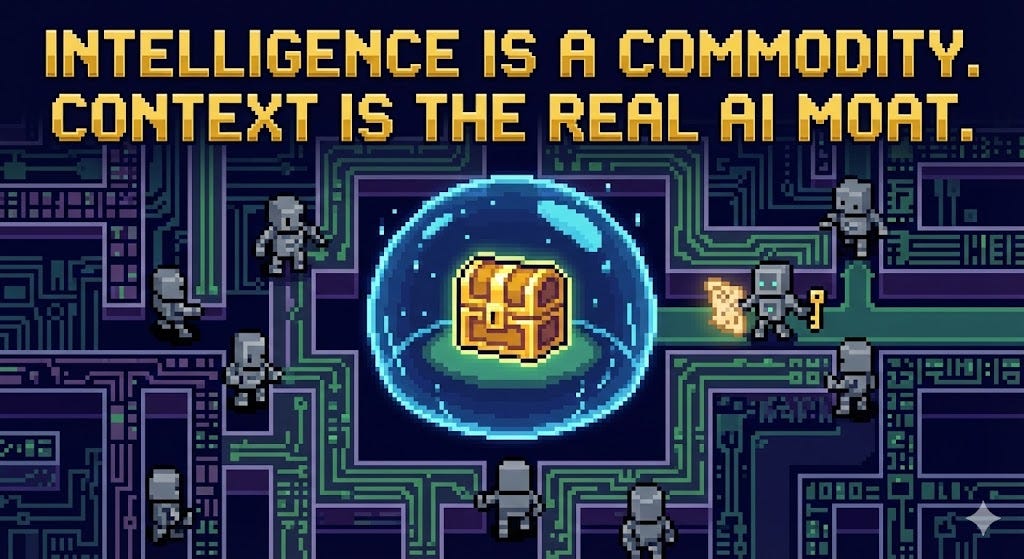
Context as the Competitive Advantage in an AI-First Society
The article discusses the author's experience at an AI Socratic Madrid meetup and presents a thesis that in the AI-first society, intelligen
 adlrocha.substack.com·3mo ago