





















14-protein plasma signature predicts lung cancer risk years before diagnosis and identifies candidates for preventive therapy
By
William Hill1,65,68 Send email to [email protected]

Crisp on the outside, thoughtful on the inside. A keeper.
Summary
This article presents a scientific study identifying a 14-protein plasma signature that can predict lung cancer risk more than 5 years before diagnosis. The research, validated across eight cohorts, builds on findings from the CANTOS trial which showed that IL-1β inhibition reduced lung cancer incidence. The protein signature is elevated in current smokers and individuals exposed to particulate matter (PM), and it helps identify individuals who would benefit most from anti-IL-1β-based lung cancer risk reduction. The study demonstrates how diverse tumor-promoting factors converge on an alveolar transitional state underlying lung tumorigenesis, potentially enabling more targeted molecular cancer prevention strategies.
Key quotes
· 3 pulledUsing machine learning, we identified a 14-protein plasma signature predicting lung cancer more than 5 years before diagnosis.
The signature, validated across eight cohorts, was elevated in current smokers and individuals exposed to particulate matter (PM)
A 14-protein plasma signature identifies individuals benefiting from anti-IL-1β-based lung cancer risk reduction
You might also wanna read
Many Lung Cancers Are Now in Nonsmokers. Scientists Want to Know Why


Gemma-Based AI Model Identifies Potential Cancer Therapy Pathway Through Conditional Immune Amplification
Researchers used a new 27 billion parameter foundation model called C2S-Scale 27B, built on Google's Gemma family of open models, to discove
 blog.google·7mo ago
Novel Blood-Brain Barrier Modulation Strategy Shows Promise for Alzheimer's Treatment Through Enhanced Amyloid-β Clearance
This scientific research presents a novel therapeutic approach for Alzheimer's disease that targets the blood-brain barrier (BBB) to enhance
 nature.com·7mo ago
:max_bytes(150000):strip_icc()/Juliet-Fielder-dies-lung-cancer-052626-f4cb12d2568949d9ad38a1fc575d49a1.jpg)
Non-Smoker Dies of Lung Cancer at Age 42, 4 Years After Diagnosis
:max_bytes(150000):strip_icc():focal(741x164:743x166)/Cameron-Rider-1-050726-f6d4546e8b1a43878e0348228bc9964e.jpg)
Vermont Teen's Football Practice Fatigue Leads to Rare Lung Cancer Diagnosis
A 16-year-old Vermont high school student, Cameron Rider, experienced breathlessness and exhaustion while practicing for football tryouts. I
 People.com·28d ago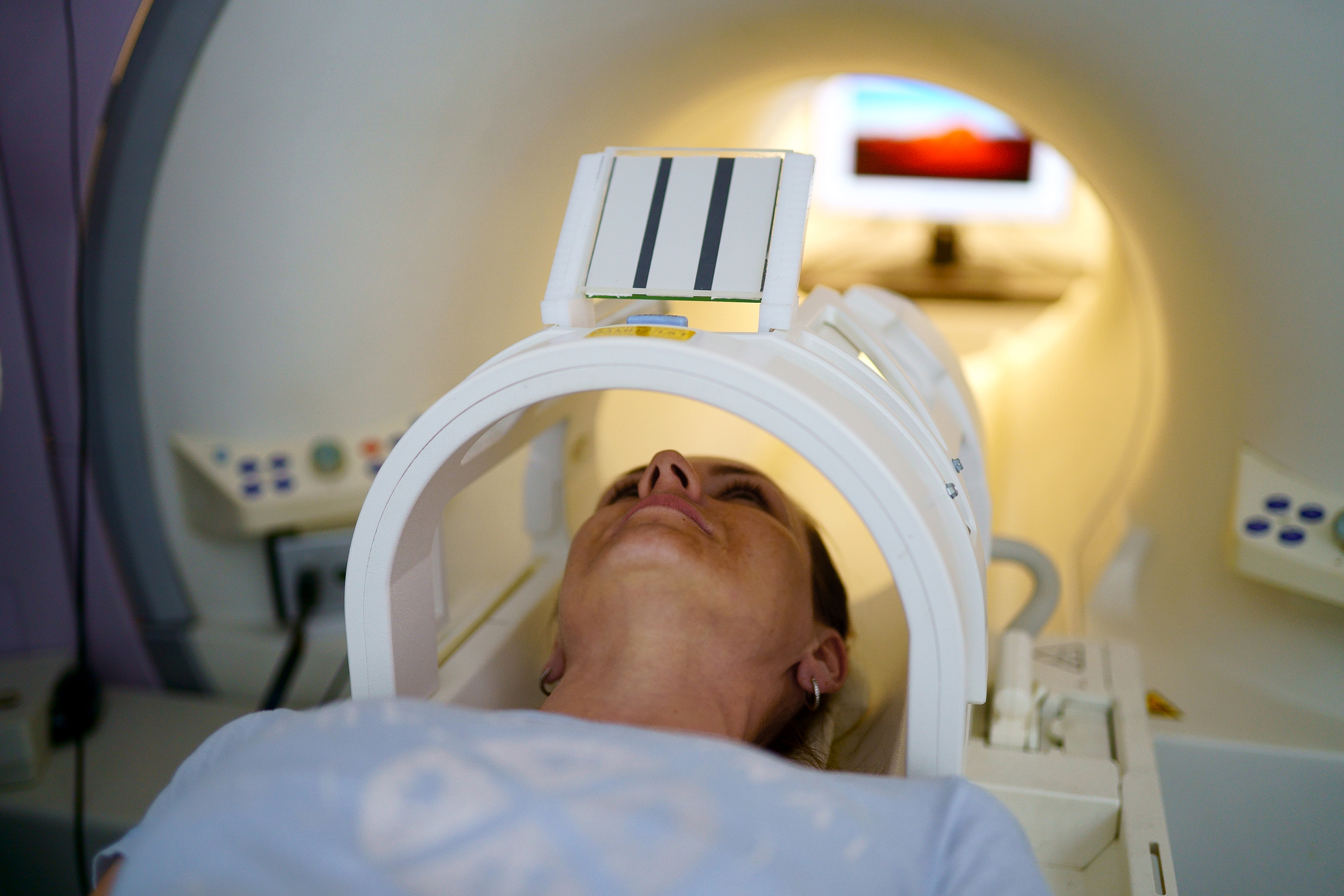
New MRI-Based Biomarker Predicts Aging and Disease Risks
Researchers from Duke University, Harvard University, and the University of Otago have developed DunedinPACNI, a noninvasive MRI-based bioma
 insideprecisionmedicine.com·10mo ago