





















Parastore: Open-source 3D retail simulation with LLM-powered synthetic consumers for product testing
By
KYEONGEOP LIM

Sat out too long. The crust has gone leathery.
Summary
Parastore is an open-source (MIT) 3D retail simulation platform where LLM-powered synthetic consumers physically walk through virtual stores, browse shelves, make purchase decisions, and generate revenue data. Developed by Intellicia, it features 12 behavioral patterns, grammar-constrained actions, randomized context (mood, budget, company), and impulse-buy logic. The simulation has been validated against real POS data with a 0.955 Spearman correlation. Built with Python/FastAPI and React/Three.js, it supports any LLM backend and is designed to help brands test products and messaging without traditional surveys.
Key quotes
· 3 pulledInstead of answering surveys, our synthetic consumers now physically walk through stores.
They browse, pick up items, impulse-buy snacks near the checkout, and generate revenue data — all in a 3D simulation.
We're open-sourcing the entire simulation framework (MIT license) because we believe agent-based behavioral simulation
You might also wanna read

Australia's battery storage expansion ranks among world leaders, driving down power prices
Australia is experiencing a rapid expansion in battery storage infrastructure, with its pipeline of operational and upcoming batteries ranki
 afr.com·42m ago
Amazon Settles $20.5M Class Action Lawsuit Over AI Data Center Pollution in Eastern Oregon
Amazon has agreed to a $20.5 million settlement in a class action lawsuit regarding pollution from AI data centers in Eastern Oregon. The la
 brockovichdatacenter.com·44m ago
SpaceX IPO Filing Reveals Orbital Debris Risk from Its Own Starlink Satellites
SpaceX's IPO paperwork reveals a risk disclosure where the company admits that its own Starlink satellite constellation is creating orbital
SpaceX IPO Filing Reveals Orbital Debris Risk from Its Own Starlink Satellites
SpaceX's IPO paperwork reveals a risk disclosure where the company admits that its own Starlink satellite constellation is creating orbital
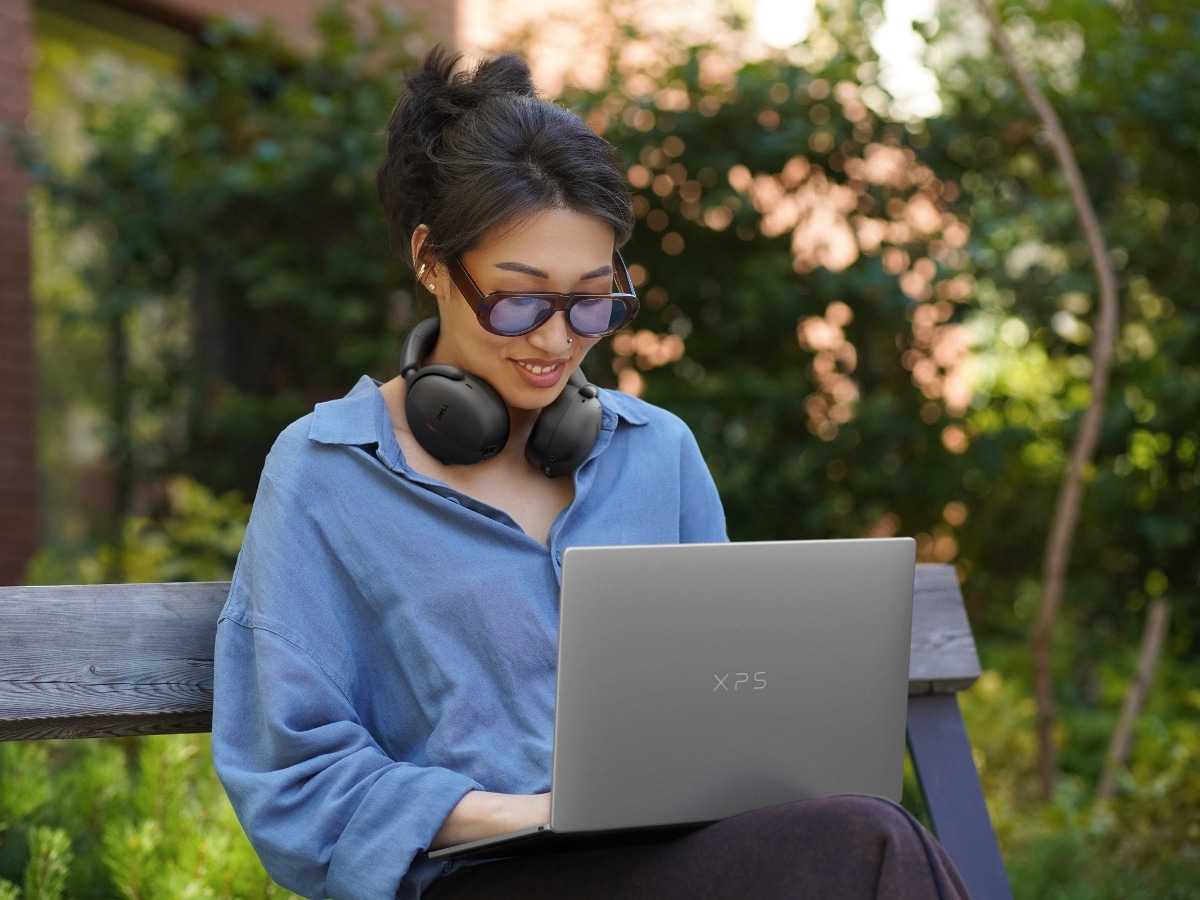
Dell XPS 13: A Lightweight, Configurable Premium Laptop Challenging Apple's MacBook Neo
Dell's new XPS 13 is positioned as the company's thinnest, lightest, and most accessible premium laptop yet, directly competing with Apple's
 manofmany.com·45m ago
Nvidia CFO says AI is now a 'necessity' as company surpasses $5 trillion market value
Nvidia has experienced explosive growth from under $400 billion in 2022 to over $5 trillion in market value by 2025-2026, driven by surging
 fortune.com·51m ago