





















Pantograph's Approach to Robotics Data Scarcity: Creating Synthetic Training Environments
By
agajews

Front-window bakery material. Catches the eye, delivers the goods.
Summary
The article discusses Pantograph's approach to solving the data scarcity problem in robotics by creating a 'preschool for robots' - a system that generates synthetic training data through simulated environments. It explains how robotics lacks the abundant data available to other AI fields like language models and image generators, and proposes using simulation to create diverse training scenarios that teach robots fundamental skills before real-world deployment.
Key quotes
· 4 pulledIn order to solve robotics' data problem, we're building a preschool for robots.
The areas of deep learning that have seen the fastest progress in the past decade are those where data is abundant: language models and image generators can train on the entire internet; game-playing models like AlphaGo can generate data by playing against themselves.
These datasets don't exist for robotics, so we need to...
We're building a preschool for robots to teach them fundamental skills through simulated environments before real-world deployment.
You might also wanna read


Intel unveils Physical AI OpenVINO framework at Computex 2026, claims robotics breakthrough
At Computex 2026, Intel announced a new Physical AI OpenVINO framework alongside its Core Ultra 300 series (Panther Lake) and new Xeon serve
 neowin.net·33m ago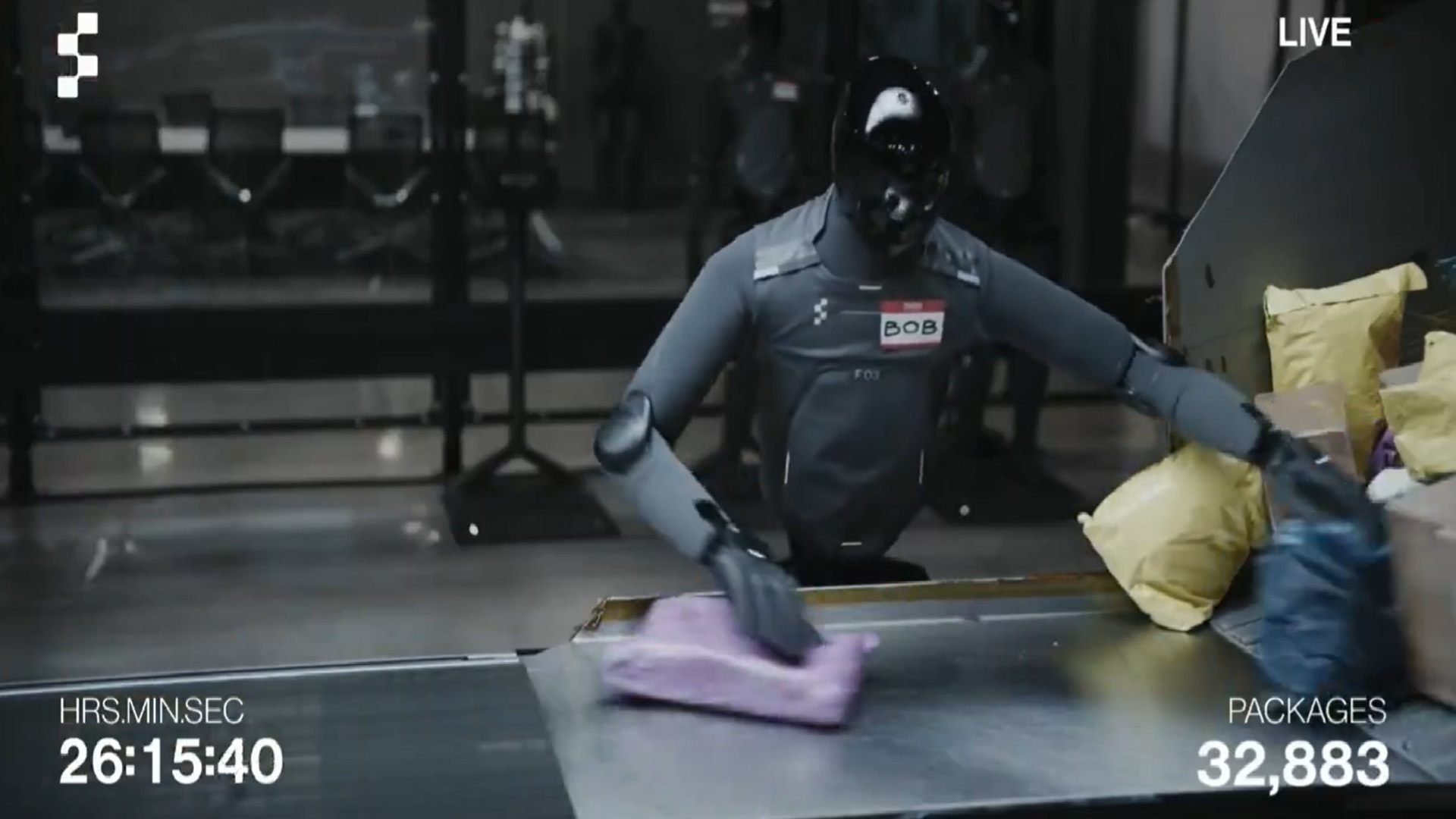
Figure AI humanoid robots achieve 24/7 autonomous operation with self-maintenance capabilities
Figure AI has announced that its humanoid robots, powered by the Helix-02 AI system, have achieved over 24 hours of nonstop autonomous work
 f.mtr.cool·20h ago
How AI World Models Are Bridging Simulation and Reality
This article explores the concept of "world models" in AI — where AI systems learn and practice tasks through simulated environments within
 noemamag.com·1d ago
Why a Tech Enthusiast Draws the Line at AI for Writing
The author, a self-described technology enthusiast who uses AI for navigation, research, and daily tasks, draws a firm boundary against usin
 nytimes.com·1d ago
Why a Tech Enthusiast Draws the Line at AI for Writing
The author, a self-described technology enthusiast who uses AI for navigation, research, and daily tasks, draws a firm boundary against usin
nytimes.com·1d ago
What pretraining on unlabeled text teaches large language models about language structure
Pretraining on unlabeled text teaches large language models to model the statistical structure of language by optimizing next-token predicti
 sebastianraschka.com·1d ago