





















Optimizing argmin Performance for Floating-Point Arrays in Rust
By
return_to_monke

Crispy enough to crunch, soft enough to enjoy. A good bake.
Summary
The article discusses optimization techniques for finding the minimum value index (argmin) in large arrays of floating-point numbers, specifically focusing on Rust programming. It presents a baseline solution using iterator methods that takes 511 microseconds for a million numbers, then hints at potential performance improvements by leveraging knowledge about the data properties (positive, non-infinity, non-NaN values). The content is technical and aimed at programmers seeking performance optimization.
Key quotes
· 4 pulledConsider the following problem: you are given a dynamically large array of NN floating point numbers, and you are asked to find the index of the smallest one (commonly called arg min) as fast as possible.
For a million numbers, this runs in around 511 us. Not bad.
However, we can do better, by using what we know about the data itself.
If you know that you are working with "regular" floats, you can make argmin faster.
You might also wanna read


Optimizing .NET APIs for High Throughput: Techniques for 1M Requests Per Minute
Article discusses techniques for designing high-throughput .NET APIs capable of handling 1M requests per minute. It covers horizontal scalin
 blog.elmah.io·15h ago
How micro-optimizations in Azure Service Bus SDK paved the way for a smarter redesign
The article discusses how micro-optimizations in the Azure Service Bus SDK led to meaningful design improvements. Rather than advocating for
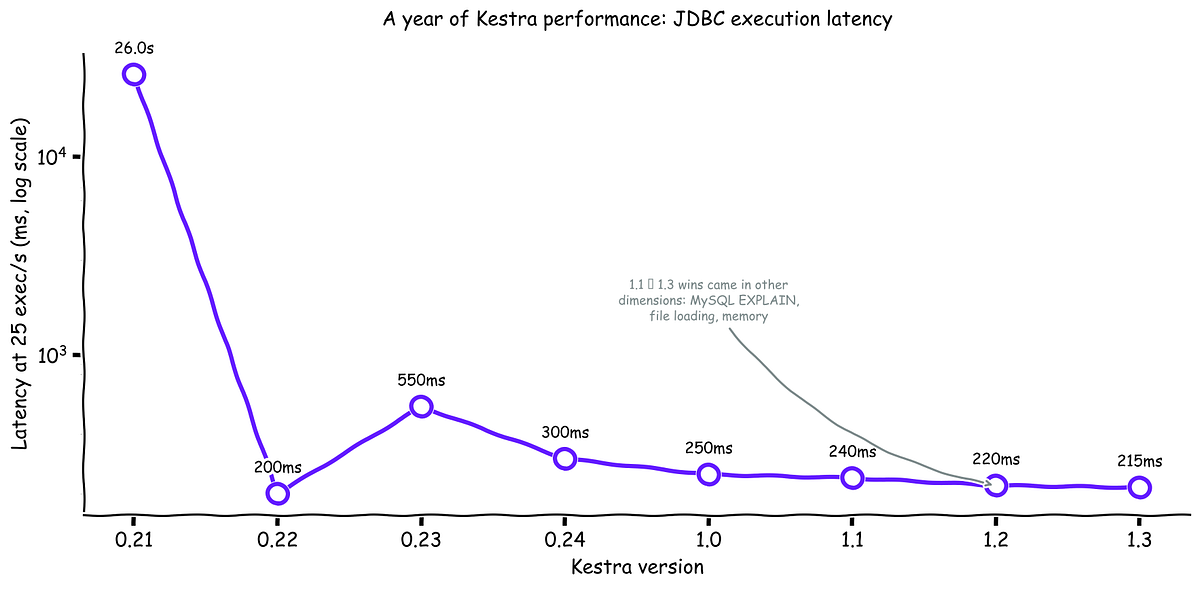
How Kestra Improved Orchestrator Performance Across 14 Releases: A Year of Performance Engineering
Kestra's engineering team details their year-long performance engineering journey across releases 0.19 to 1.3, treating performance as an on
 medium.com·2d ago
Optimizing Deep Learning Performance Through First-Principles Reasoning
The article discusses improving deep learning model performance by reasoning from first principles rather than relying on ad-hoc tricks and

Xilem: An Experimental Reactive UI Framework for Rust
Xilem is an experimental Rust-native UI framework that provides a high-level reactive architecture for building GUI applications. It's inspi
 github.com·1mo ago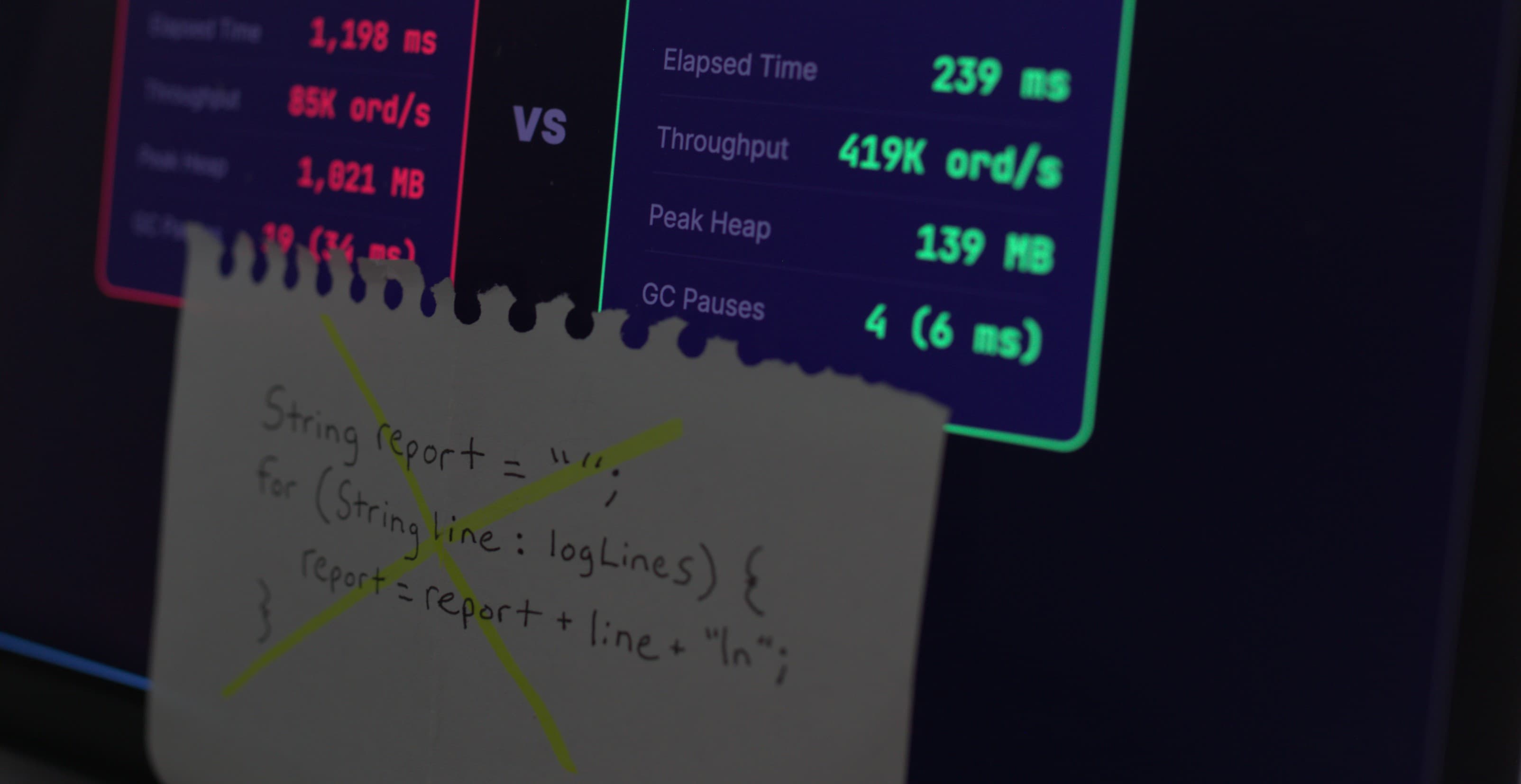
Java Performance Optimization: Fixing 8 Common Anti-Patterns to Reduce Processing Time by 80%
The article presents a case study of Java performance optimization where fixing common anti-patterns dramatically improved application perfo
 jvogel.me·2mo ago