





















University of Edinburgh licenses gold and copper recovery tech for electronic waste
By
James Nanzo

Kettled twice. Extra chewy, extra trustworthy.
Summary
Researchers at the University of Edinburgh have developed a new method called gold copper diamide extraction that recovers gold and copper from electronic waste without extreme heat or highly toxic chemicals. The technology has been licensed globally to Lithium Universe, potentially making old electronics like phones, chargers, and laptops a more valuable source of recoverable metals compared to conventional recovery methods.
Key quotes
· 3 pulledA newly signed licensing agreement could make old phones, spare chargers, and obsolete laptops a more valuable source of recoverable metals.
Researchers at the University of Edinburgh explained how their process, called gold copper diamide extraction, extracts gold and copper from electronic waste without relying on the extreme heat or highly toxic chemicals often used in conventional recovery methods.
Lithium Universe has secured global rights to us
You might also wanna read


U.S. Discards Enough Critical Minerals in Mining Waste to Meet National Needs, Study Finds
A new analysis published in Science reveals that the U.S. already mines sufficient critical minerals like cobalt, lithium, gallium, and rare
 minesnewsroom.com·9mo ago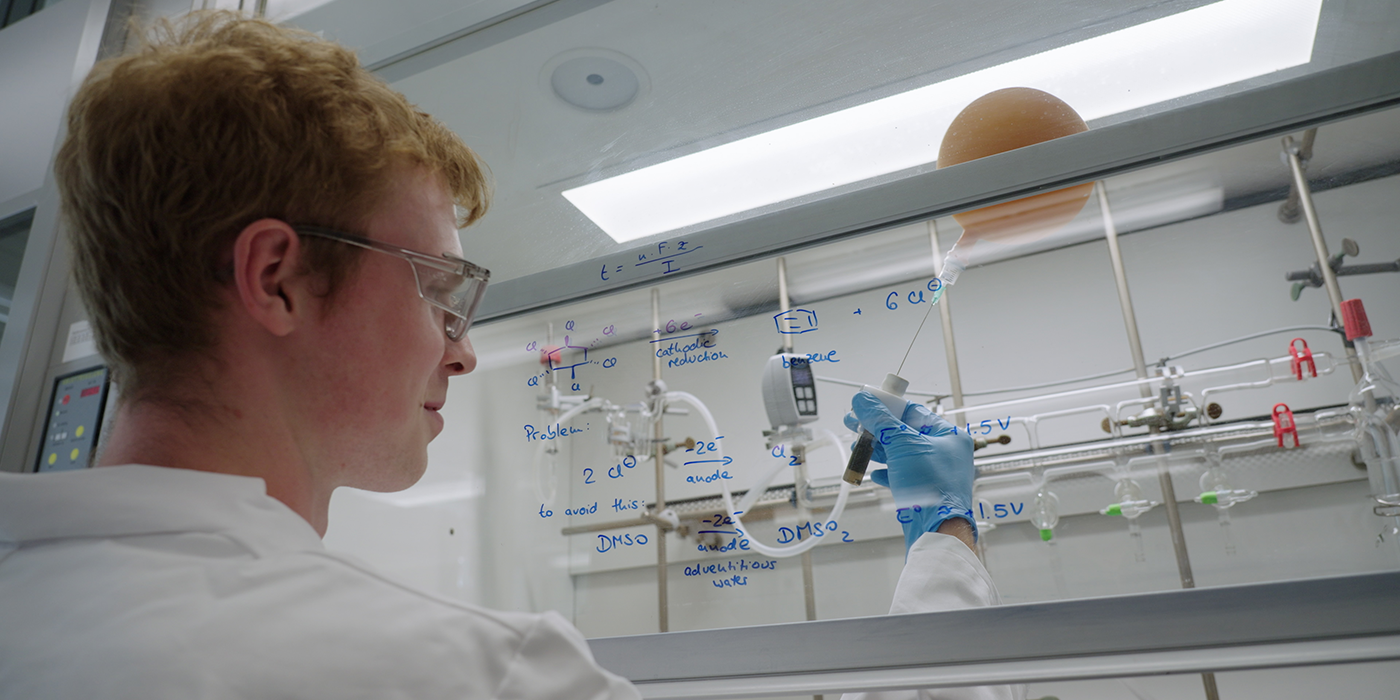
ETH Zurich Researchers Develop Electrolysis Method to Convert Soil Contaminants into Valuable Chemicals
ETH Zurich researchers have developed an electrolysis-based method to remove persistent insecticides like DDT and lindane from contaminated
 ethz.ch·5mo ago
Medieval Africans' Innovative Gold Purification Process with Glass
Medieval Africans used a unique process involving glass to purify gold for currency in the 11th century, as discovered by archaeologists and
atlasobscura.com·1y ago
Discussion on Electronics Recycling Challenges and Sustainability Questions
The article appears to be a discussion about the recyclability of electronics, framed as a question to the Hacker News community. The conten
 news.ycombinator.com·4mo ago
Addressing the Challenge of E-Waste: Extending the Life of Used PCs
The article discusses the growing issue of e-waste and the potential for extending the life of used PCs through upgrades and maintenance. It
spectrum.ieee.org·11mo ago
Monash University study finds copper-delivering drug Cu(ATSM) reduces Alzheimer's proteins and improves memory in lab tests
Monash University researchers have discovered that a copper-delivering drug called Cu(ATSM) significantly reduces toxic Alzheimer's proteins
 monash.edu·1d ago