





















Octopus Settlements: Octopolis and Octlantis - Underwater Habitats Built by Gloomy Octopuses
By
eatonphil

Hand-rolled, kettle-boiled, baked to perfection. Worth every minute at the bakery.
Summary
Octopolis and Octlantis are two unique underwater settlements created by gloomy octopuses (Octopus tetricus) in Jervis Bay, Australia. Octopolis, discovered in 2009, features a 2-3 meter elliptical bed of scallop shells with a single piece of human-made scrap metal, while Octlantis (found in 2016) contains no artificial objects. Both sites can house up to 14 octopuses at once, with the shells providing superior building material compared to surrounding sediment. Researchers caution against describing these as "cities" as the analogy may be misleading.
Key quotes
· 4 pulledOctopolis consists of a bed of shells (mainly scallop shells) in an ellipse shape, 2–3 meters diameter on its longer axis, with a single piece of anthropogenic detritus, believed to be scrap metal, within the site
The shells appear to provide a much better building material for the octopuses than the fine sediment around the site
Some media accounts have described these sites as octopus "cities," but researchers who have worked on the sites view this as a misleading analogy
Up to 14 octopuses have been seen at Octopolis at a single time
You might also wanna read

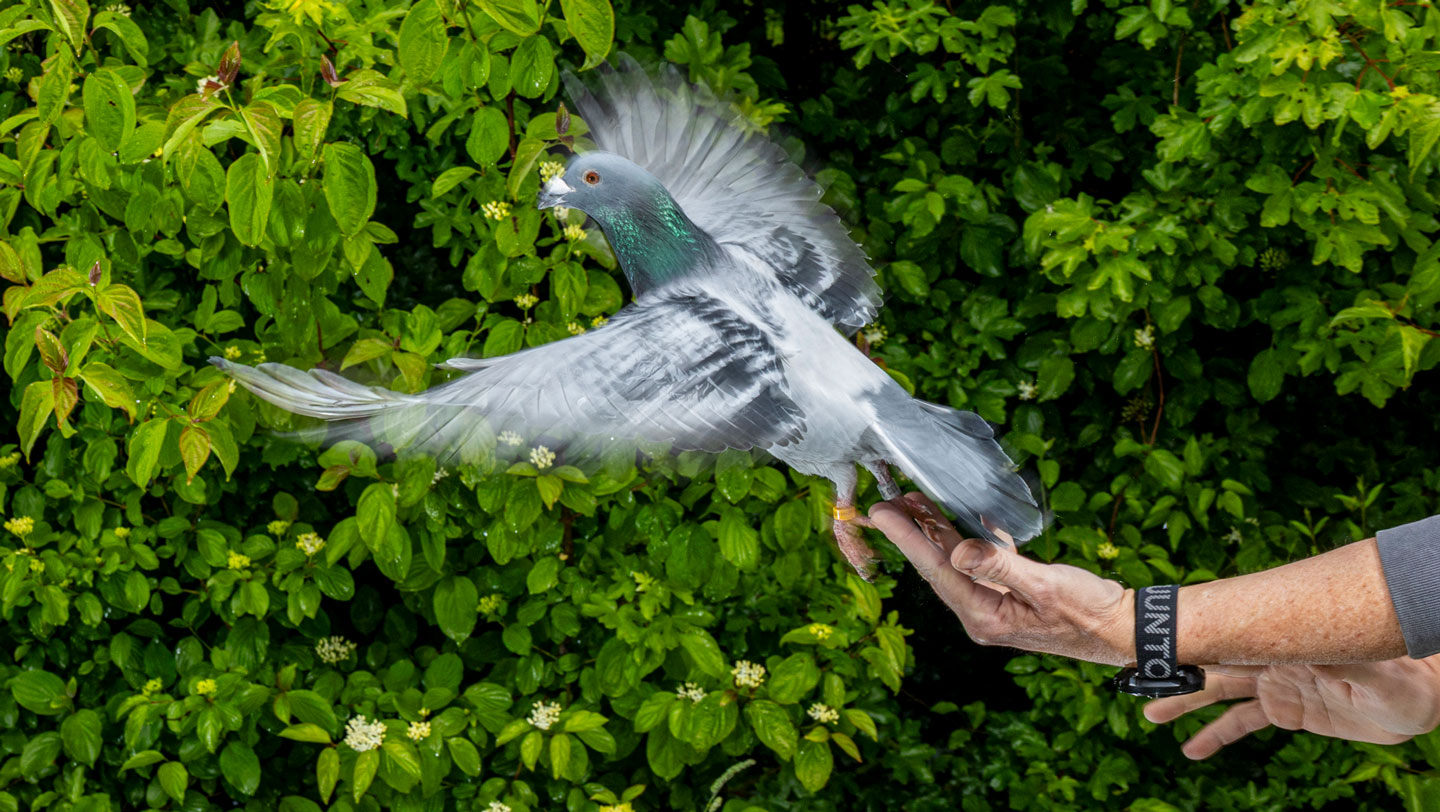
Study suggests homing pigeons may navigate using iron-laden liver immune cells as a magnetic compass
Researchers at the Max Planck Institute of Animal Behavior tested whether homing pigeons use iron-laden immune cells in their livers as a ma
 sciencenews.org·3h ago
Extreme heat impairs cognitive function in animals, research shows
Research shows that extreme heat impairs cognitive function in animals, from birds struggling to solve simple problems to fish becoming more
 arstechnica.com·14h ago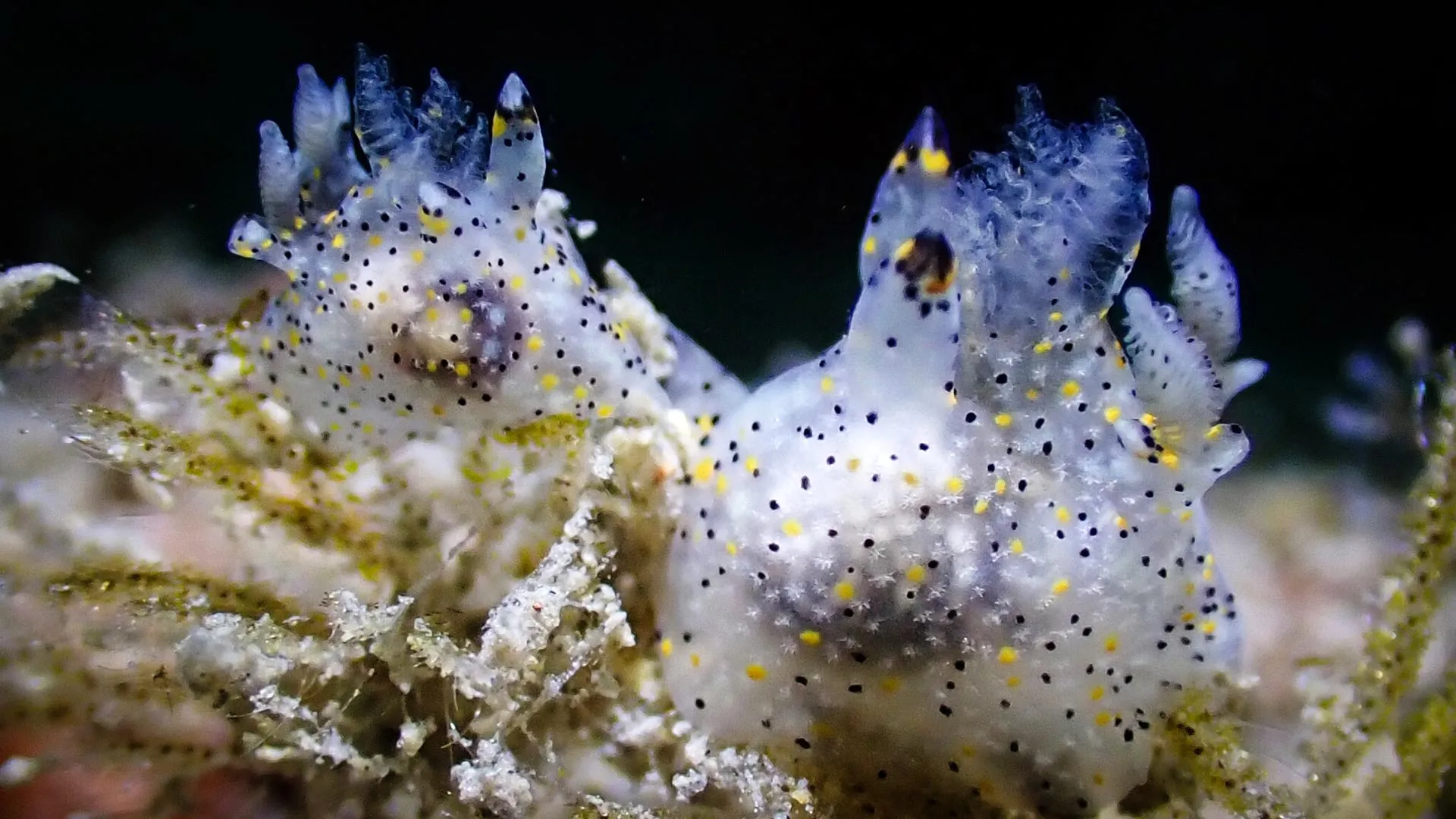
New sesame-sized sea slug species discovered off Taiwan's coast
A new species of sea slug, Thecacera sesama, has been discovered off the coast of Keelung in northern Taiwan. Smaller than a grain of rice,
:max_bytes(150000):strip_icc():focal(999x0:1001x2)/Pink-Salmon-050726-215d0d3a5c464725b385b95707bbceb5.jpg)
NOAA Study Tracks Invasive Pink Salmon Spread from Great Lakes to Arctic and North Atlantic
A study published in Fish and Fisheries, highlighted by NOAA, examines how invasive pink salmon (Oncorhynchus gorbuscha), accidentally intro
 people.com·23d ago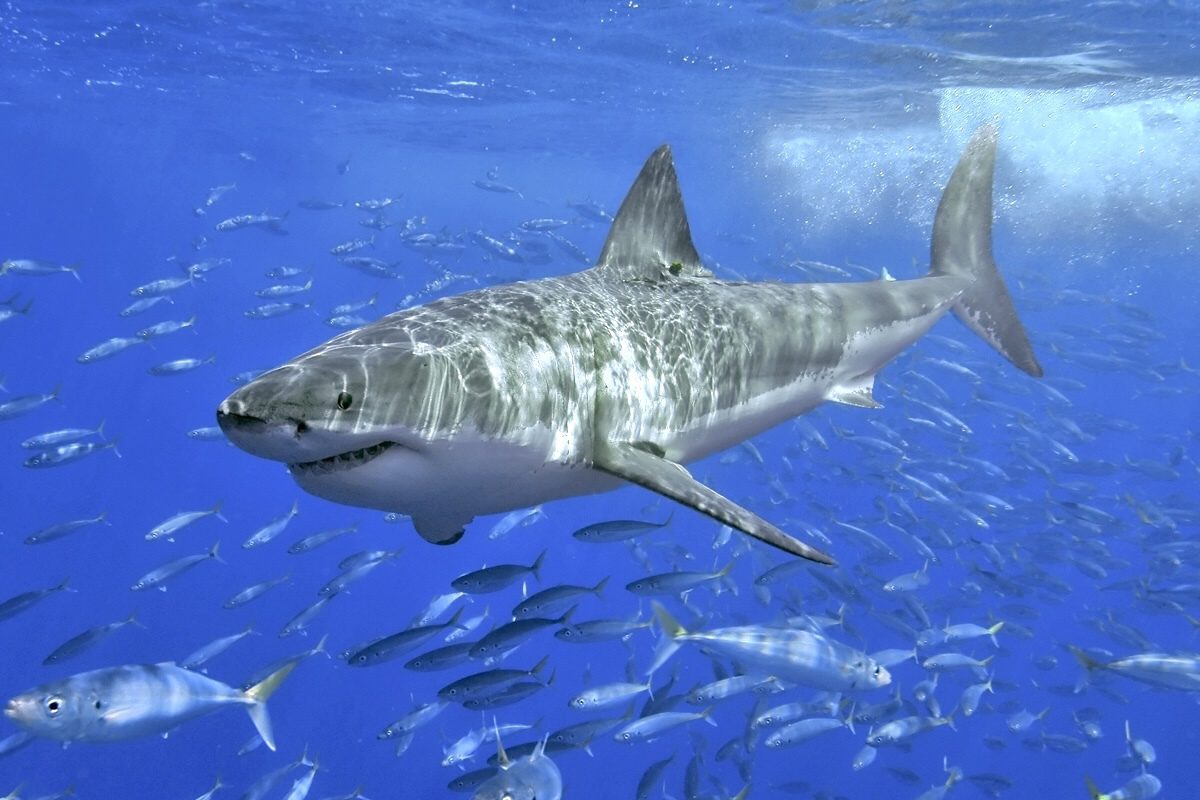
Climate Change Threatens Great White Sharks with Overheating Due to Ocean Warming
The article discusses how climate change and ocean warming are threatening great white sharks by causing them to overheat. These apex predat
 e360.yale.edu·1mo ago
Study Finds Cocaine, Caffeine, and Pharmaceuticals in Bahamian Sharks
A study has revealed that sharks in the Bahamas tested positive for cocaine, caffeine, painkillers, and other pharmaceutical substances, hig
 The Onion·1mo ago