





















New energy-efficient desalination system produces fresh water and extracts lithium from seawater without chemical waste
By
Good News Network

Hand-rolled, kettle-boiled, baked to perfection. Worth every minute at the bakery.
Summary
A new energy-efficient desalination system developed by researchers at the University of Rochester can convert ocean water into fresh drinking water without chemical additives, while simultaneously extracting valuable materials like lithium from the leftover salts. This approach addresses two major challenges: water scarcity and the environmental waste problem of traditional desalination brine disposal. The method uses a solvent extraction process that is more energy-efficient than reverse osmosis and thermal distillation, and turns waste into valuable resources.
Key quotes
· 2 pulledA new energy-efficient desalination system produces fresh water without chemical additives and transforms leftover salts into useful materials.
Communities from California to the Middle East currently rely on desalination plants to convert ocean water to fresh water. But, common desalination techniques—such as reverse osmosis and thermal distillation—are energy-intensive, require chemical water treatment...
You might also wanna read

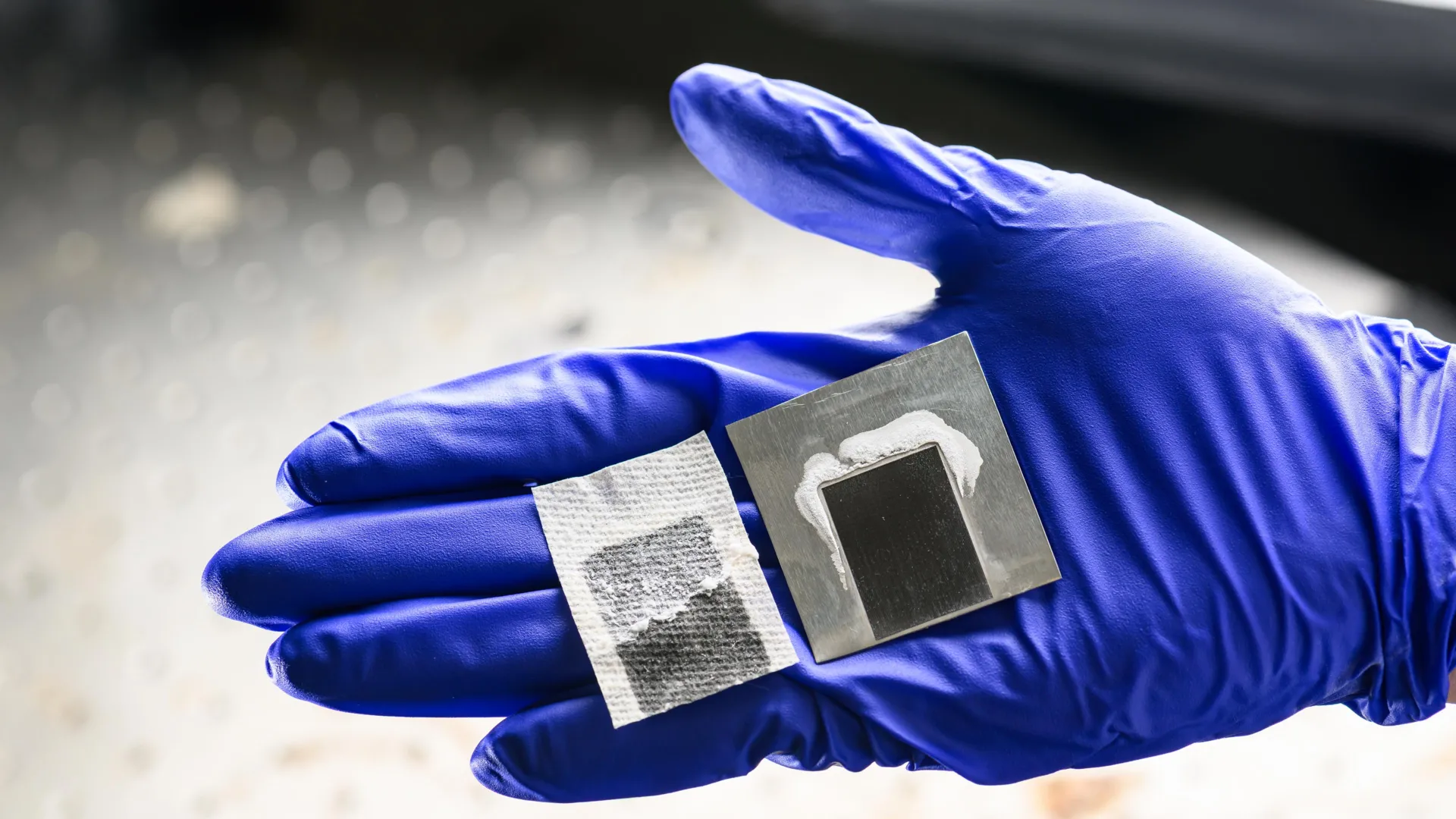
Solar desalination system eliminates toxic brine while producing fresh water
Scientists have developed a solar-powered desalination system that converts seawater into fresh water without producing toxic brine, a major
Solar desalination system eliminates toxic brine while producing fresh water
Scientists have developed a solar-powered desalination system that converts seawater into fresh water without producing toxic brine, a major
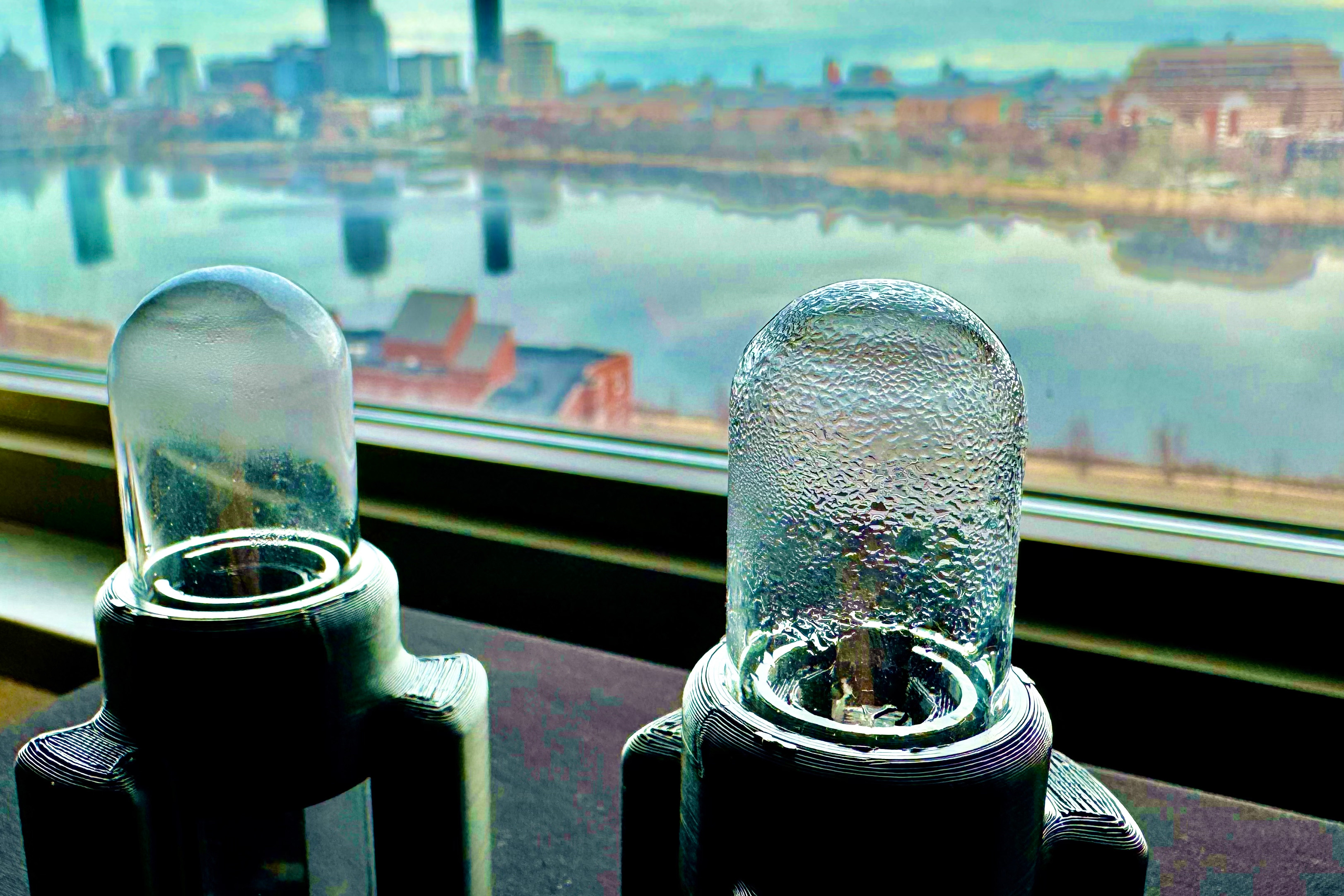
MIT Researchers Develop Ultrasonic Device for Rapid Atmospheric Water Harvesting
MIT researchers have developed a new ultrasonic device that dramatically speeds up the process of harvesting drinking water from the air. Un
 news.mit.edu·6mo ago
Sodium-ion battery breakthrough offers faster charging and improved safety over lithium-ion
Scientists at Tokyo University of Science have developed a new carbon-based electrolyte for sodium-ion (Na-ion) batteries that could signifi
 livescience.com·4mo ago
MIT Lab Develops Geolectric Lantern Using Sustainable Geopolymer Materials
MIT Design Intelligence Lab has created Geolectric, a minimalist lantern that explores alkaline-based geopolymers as a sustainable alternati
 Dezeen·7mo ago
Japan Opens First Osmotic Power Plant in Fukuoka to Generate Renewable Energy
Japan has opened its first osmotic power plant in Fukuoka, which is only the second of its kind in the world. The plant is expected to gener
 theguardian.com·9mo ago
Columbia University Researchers Develop Gel Electrolyte to Stabilize Anode-Free Lithium-Ion Batteries
Researchers at Columbia University have developed a new gel electrolyte that stabilizes anode-free lithium-ion batteries, potentially improv
 techradar.com·3mo ago