





















Nergis Mavalvala: An Astrophysicist's Journey from Karachi to Studying Black Holes

If you only eat one bagel today, this is the bagel.
Summary
Profile of Dr. Nergis Mavalvala, an astrophysicist from Karachi, Pakistan, who studies black holes and the universe. The article highlights her journey in science, emphasizing that solving complex problems requires persistence, creativity, and diverse tools. She is known for her work in gravitational wave detection and understanding the cosmos.
Key quotes
· 4 pulledSolving a really hard puzzle often comes down to three things: persistence, creativity, and the right tools.
The more tools you have in your toolbox, the more likely you are to find one that fits.
Growing up in Karachi, Pakistan, Dr. Mavalvala's life seemed to have a straightforward trajectory.
She was always interested in math and science, and the work came easily to her.
You might also wanna read

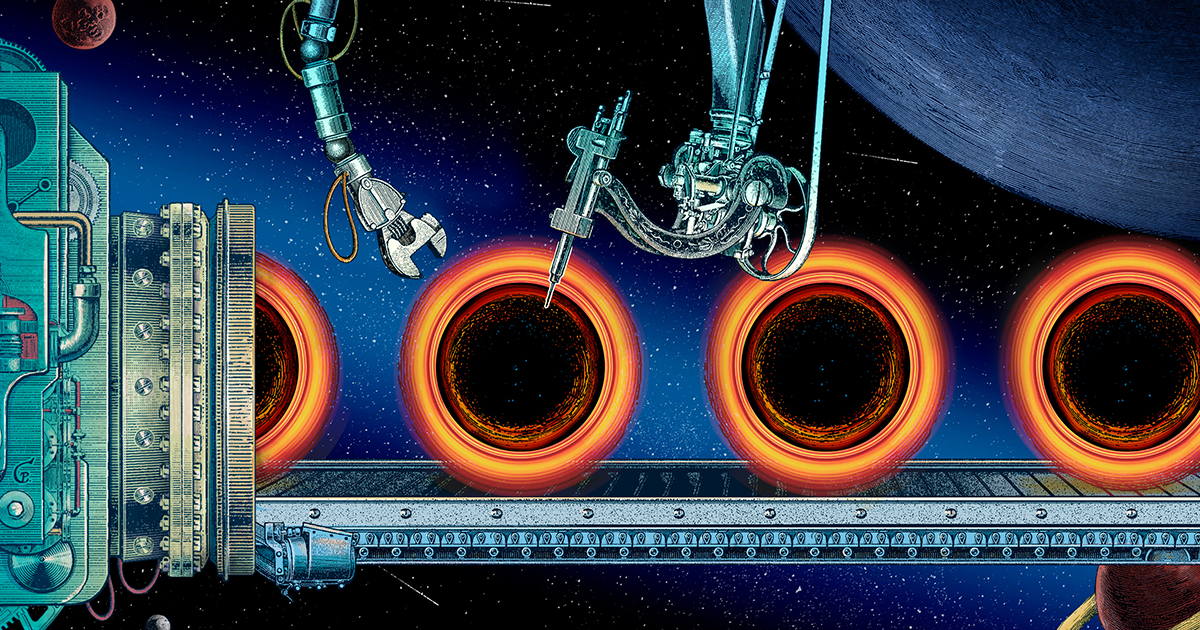
Astrophysicists Test Einstein's 'No-Hair Theorem' on Black Holes Using Collision Data
Astrophysicists are testing Einstein's 'no-hair theorem' which states that black holes are defined only by mass and spin, with no other dist
 quantamagazine.org·9mo ago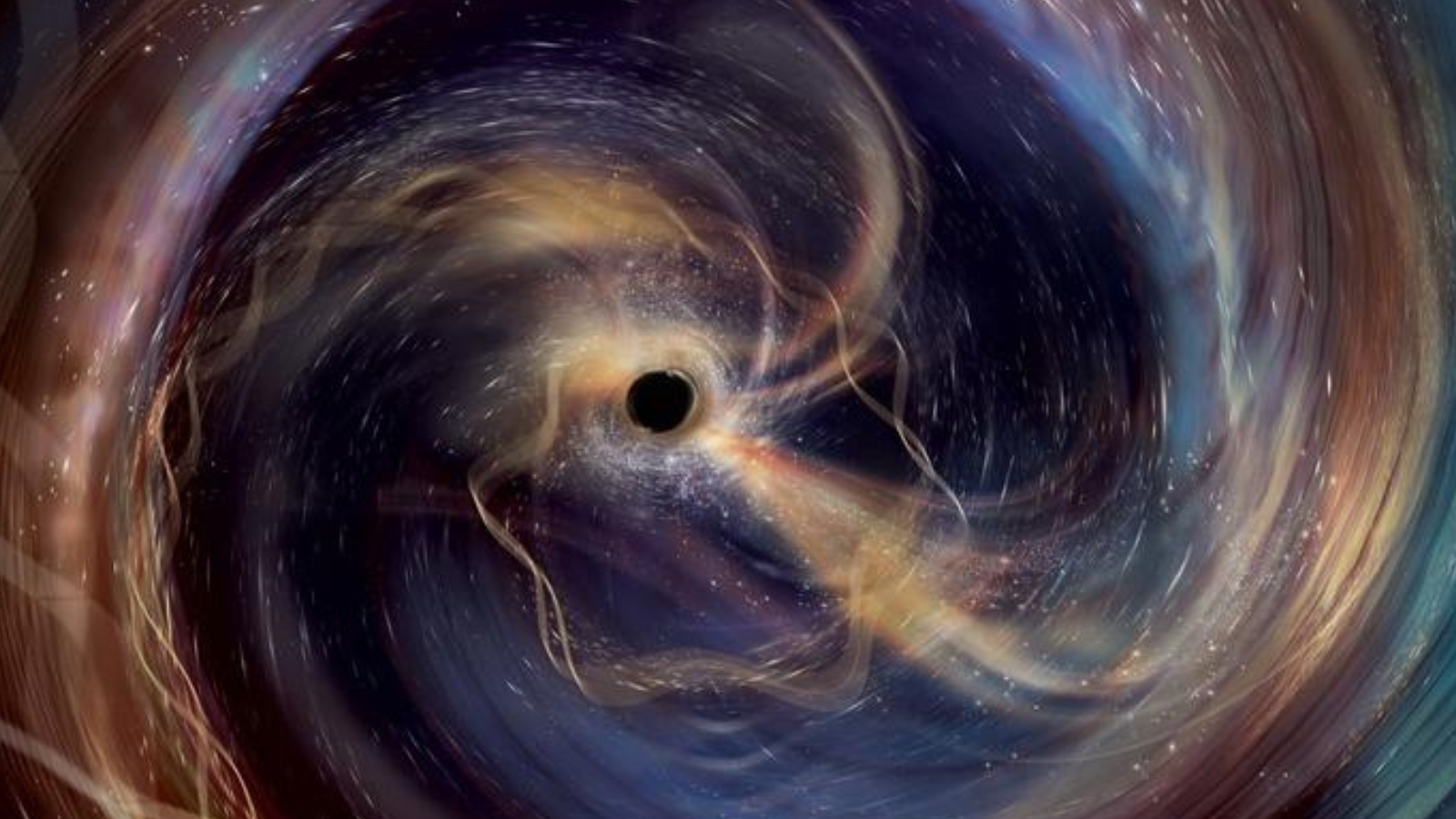
LIGO Gravitational Wave Detector Confirms Einstein and Hawking Theories Through Black Hole Collision Observations
The Laser Interferometer Gravitational-Wave Observatory (LIGO) has confirmed key predictions from Albert Einstein, Stephen Hawking, and Roy
 space.com·9mo ago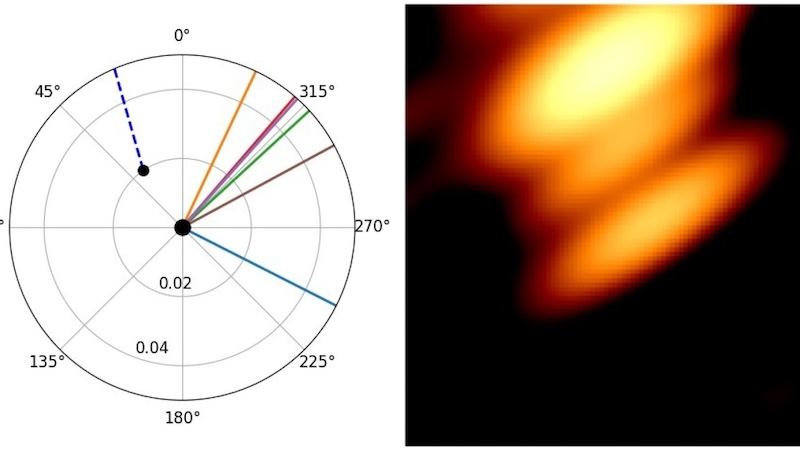
First Image Captured of Two Black Holes Orbiting Each Other in Distant Quasar
Scientists have captured the first confirmed image of two black holes orbiting each other in quasar OJ287, located five billion light-years
 helsinkitimes.fi·8mo ago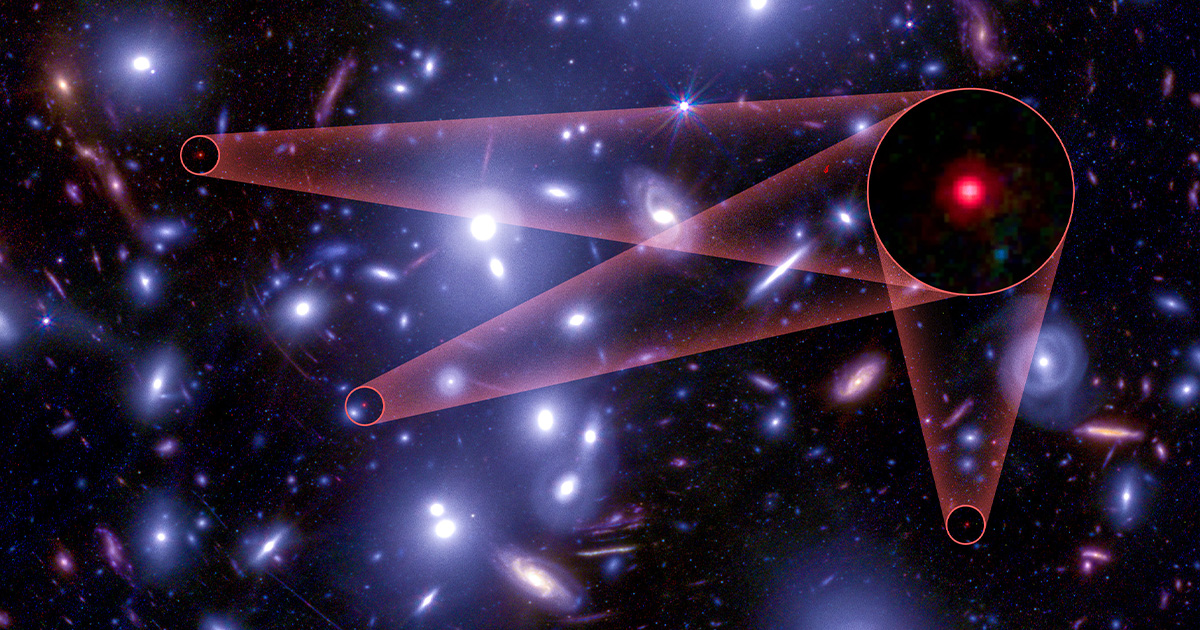
James Webb Telescope Discovers Massive Isolated Black Hole in Early Universe
The James Webb Space Telescope has discovered an enormous 'naked' black hole in the early universe that weighs 50 million solar masses and a
quantamagazine.org·9mo ago
Discovery of a 36 Billion Solar Mass Black Hole in the Cosmic Horseshoe Gravitational Lens
The article discusses the discovery of a supermassive black hole (SMBH) with a mass of 36 billion solar masses at the center of the Cosmic H
 academic.oup.com·10mo ago