





















Analysis of Speed and Cost Outcomes in Competitive U.S. Transmission Development
By
by Kent Chandler, Olivia Manzagol

Toasted golden, schmeared with insight. Top of the rack.
Summary
This article analyzes the impact of competitive transmission solicitations in the U.S. energy sector, following FERC's decision over a decade ago to eliminate incumbent utilities' right of first refusal (ROFR) for building regional transmission lines. The R Street Institute examines speed-to-market and cost outcomes of competitive transmission projects compared to traditional monopoly-led development, assessing whether competitive processes have delivered faster project completion and lower costs for consumers.
Key quotes
· 3 pulledOver a decade ago, federal regulators overhauled the way transmission planning is conducted in the United States.
As part of those changes, the Federal Energy Regulatory Commission (FERC) determined it would no longer allow incumbent utilities to possess a right of first refusal (ROFR) to build all transmission traversing their state-determined service territories.
Instead, certain significant regional transmission lines would be subject to competitive solicitations in which both incumbent and non-incumbent developers could submit proposals for inclusion
You might also wanna read


Prime Minister Carney announces forthcoming National Electricity Strategy for Canada
Prime Minister Carney has announced the forthcoming development of a National Electricity Strategy for Canada, positioning electricity as th
 pm.gc.ca·1d ago
Prime Minister Carney announces forthcoming National Electricity Strategy for Canada
Prime Minister Carney has announced the forthcoming development of a National Electricity Strategy for Canada, positioning electricity as th
pm.gc.ca·1d ago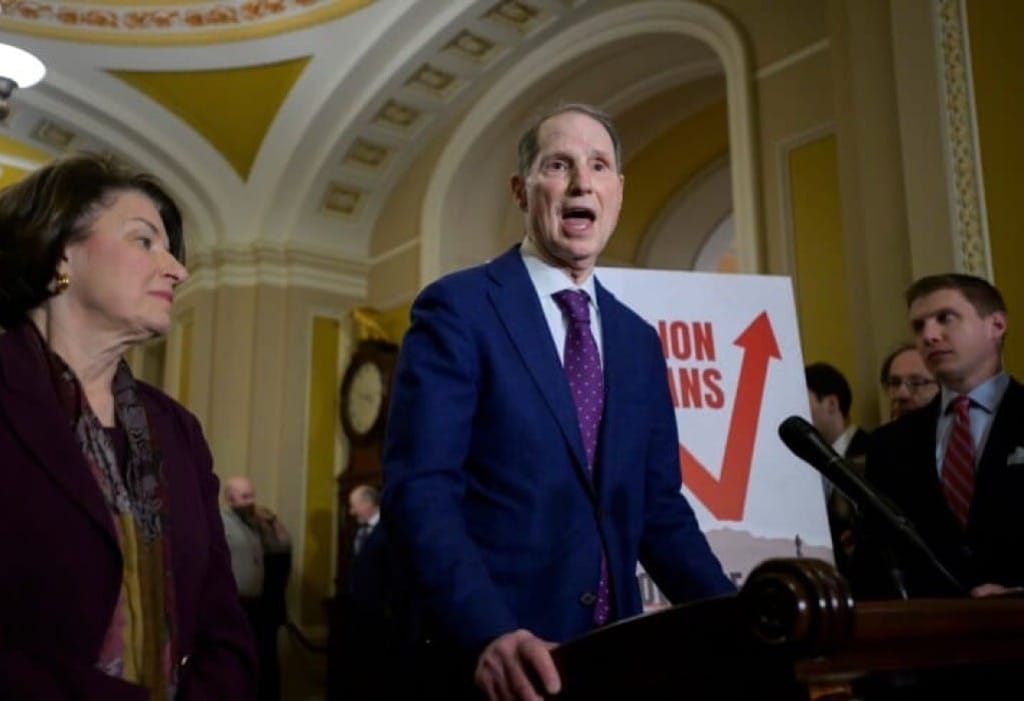
Democratic lawmakers challenge tech companies over grid infrastructure costs passed to ratepayers
Democratic lawmakers are pushing back against technology companies that are avoiding paying their fair share of energy grid infrastructure c
 broadbandbreakfast.com·4d ago
Trump Administration and Governors Push for Emergency Power Auction to Address AI Data Center Demand
The Trump administration and a bipartisan group of Mid-Atlantic governors are pressuring PJM Interconnection, the largest U.S. electricity m
 The Verge·4mo ago
Rising Electricity Bills Emerge as Key Political Issue in Recent Elections
The article analyzes how rising electricity bills became a key political issue in recent elections, contributing to Democratic victories in
The Verge·6mo ago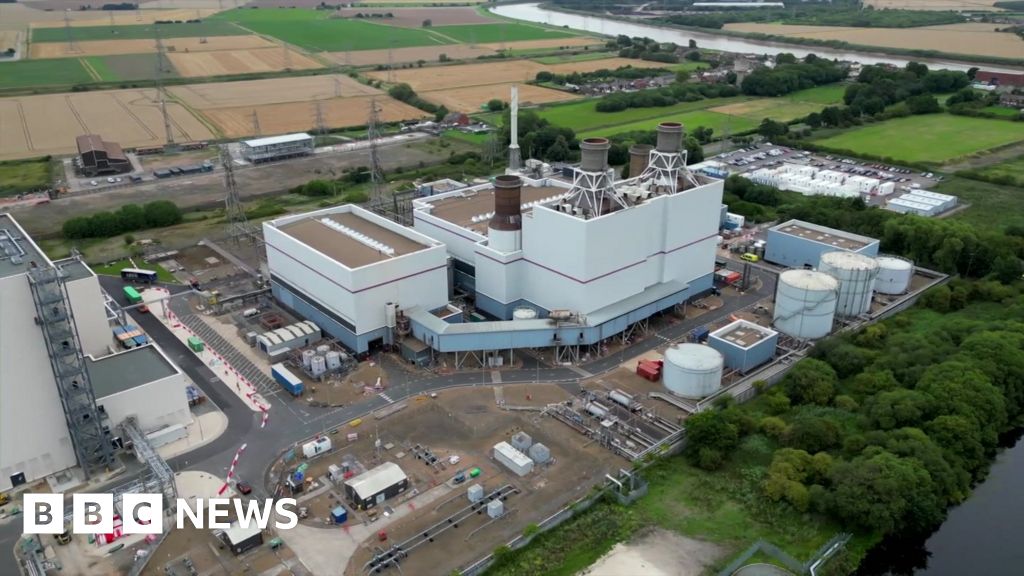
Humber hydrogen network campaign seeks £500m in UK government funding
Industry leaders, trade unions, and politicians held a parliamentary meeting to campaign for £500m in government funding to establish the Hu
 bbc.com·25m ago