





















NASA repurposes Mars Helicopter processor to enhance Perseverance rover's autonomous navigation
By
LorenDB

Master baker tier. Every paragraph earns its place on the tray.
Summary
NASA has repurposed the Qualcomm 801 processor from the Ingenuity Mars Helicopter's communication system to enhance the Perseverance rover's autonomous navigation capabilities. The processor, which is 100 times faster than the rover's existing hardware, allows Perseverance to travel 'potentially unlimited distances' without needing to communicate with Earth for guidance. This innovative hack enables the rover to make real-time navigation decisions on Mars, significantly increasing its operational efficiency and range.
Key quotes
· 3 pulledNASA has revealed it repurposed the processor the Perseverance rover used to communicate with the Ingenuity Mars Helicopter, to help the rolling robot navigate the Red Planet autonomously 'for potentially unlimited distances.'
The aerospace agency revealed the hack last week in a post that says it used the rover's Helicopter Base Station (HBS) because its processor is 100 times faster than the rover's other kit.
NASA has previously said the HBS runs a Qualcomm 801 processor, a model the mobile chip giant lists as running four custom Krait CPUs using Arm-compatible cores of the company's own design.
You might also wanna read


NASA to announce Artemis 3 crew on June 9, mission scope shifts to orbital docking tests
NASA has announced it will reveal the four-person Artemis 3 crew on June 9 at the Johnson Space Center in Houston. The event will also provi
 space.com·6h ago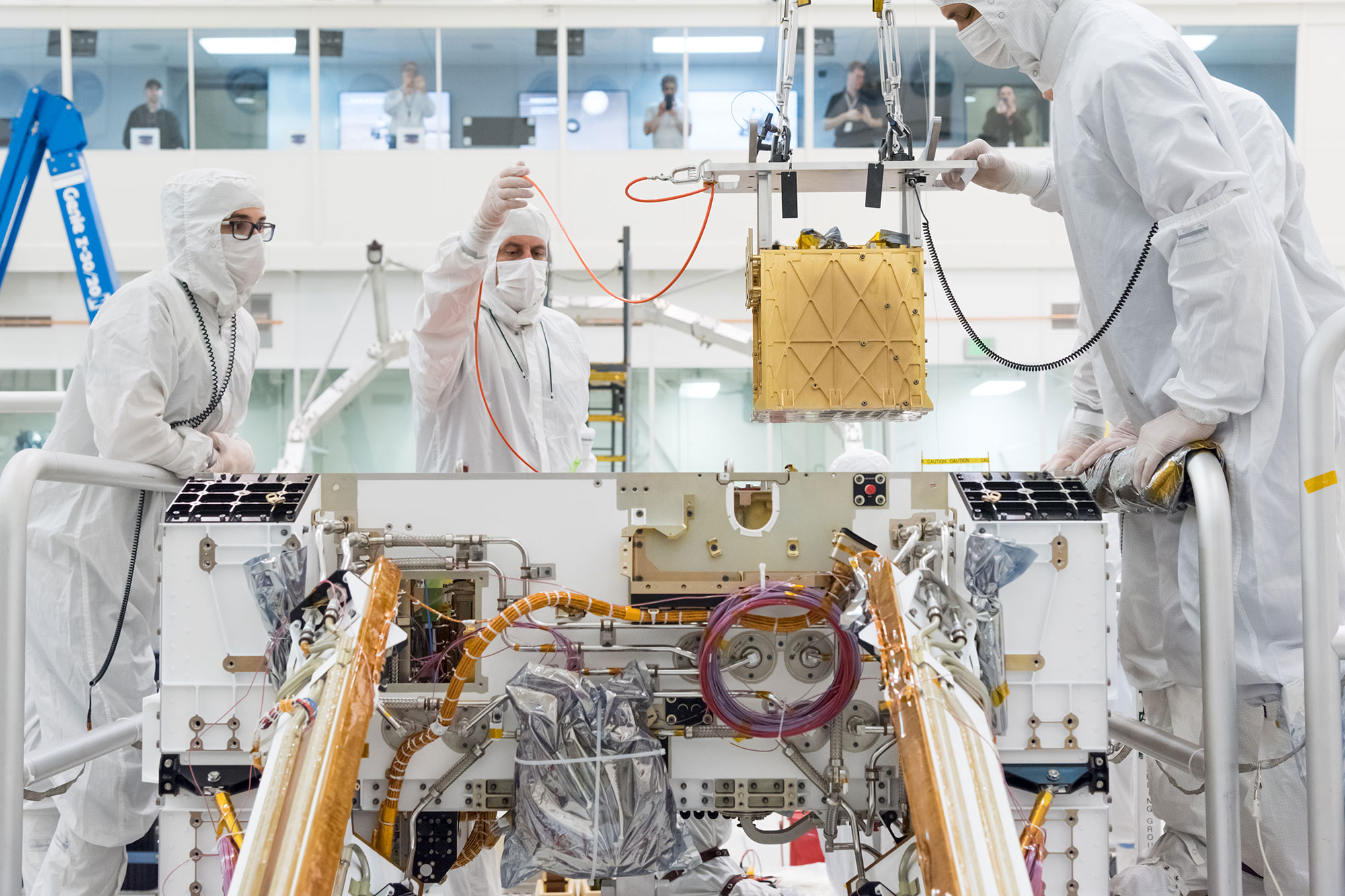
NASA's MOXIE Experiment Successfully Produces Oxygen from Mars Atmosphere
NASA's MOXIE experiment, about the size of a car battery, successfully demonstrates the ability to produce oxygen from Mars' carbon dioxide-
 nasa.gov·2d ago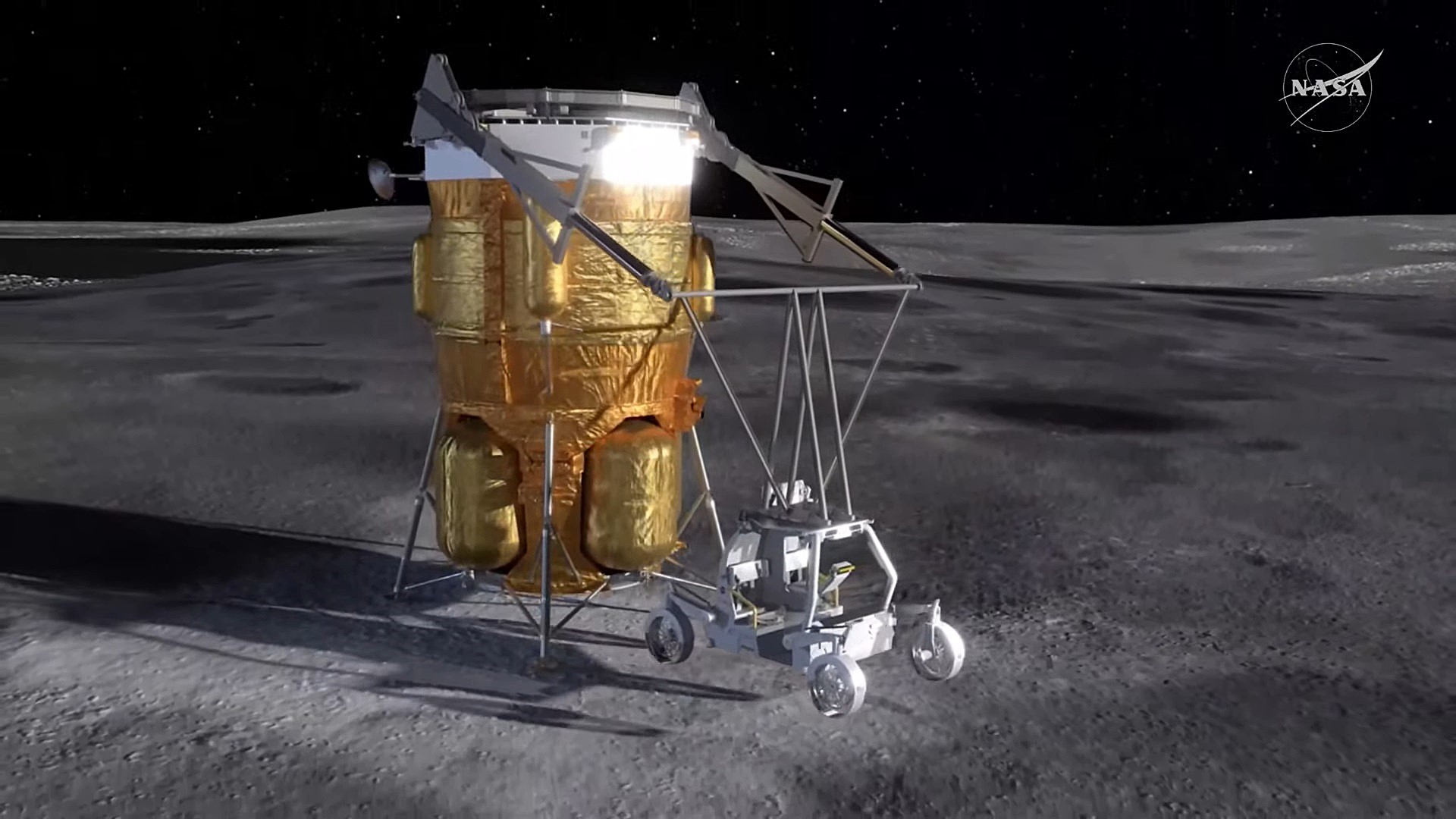
NASA selects Blue Origin to deliver lunar rovers for Moon base initiative
NASA has selected Blue Origin to deliver crew-carrying rovers to the lunar surface as part of its initiative to establish a base near the mo
 geekwire.com·5d ago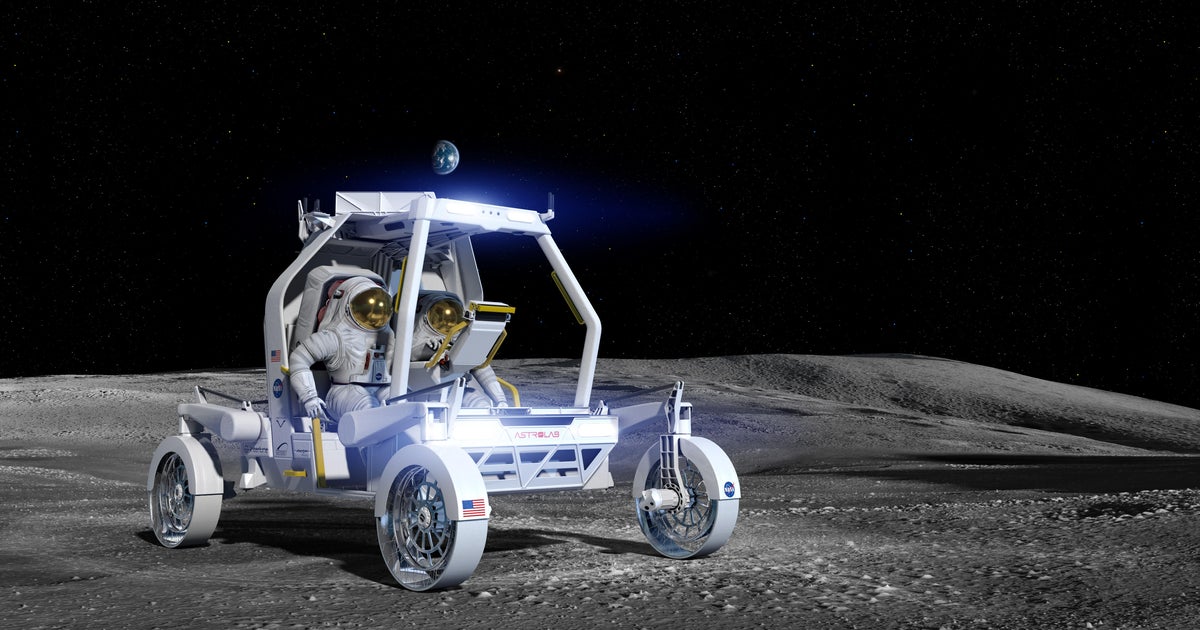
NASA awards contracts to Blue Origin and others for moon base landers, rovers, and drones
NASA has awarded hundreds of millions of dollars in contracts to four U.S. companies — Blue Origin, Astrolab, Lunar Outpost, and Firefly Aer
 cbsnews.com·5d ago
SpaceX launches Starship prototype after technical delay
SpaceX successfully launched a prototype of its Starship rocket after a previous launch attempt on May 21 was scrubbed due to technical diff
 nbcnews.com·9d ago
NASA's Artemis Program: Returning to the Moon and Preparing for Mars Missions
NASA's Artemis program aims to return humans to the Moon for scientific discovery, technology advancement, and to develop capabilities for f
nasa.gov·1mo ago