





















NASA unveils blueprint for permanent lunar base under Artemis program
By
@stephendedman.bsky.social

Master baker tier. Every paragraph earns its place on the tray.
Summary
NASA has unveiled its first blueprint for a permanent lunar outpost under the Artemis program, involving robotic landers, moon buggies, and hopping drones. Contracts have been awarded to four US companies, including Blue Origin, to build infrastructure for long-term human missions on the Moon. The plan represents humanity's first attempt at establishing a sustained presence on another celestial world, more than 50 years after the last Apollo mission.
Key quotes
· 1 pulledThe Moon base will be America's and humanity's first outpost on another celestial world
You might also wanna read


NASA's Artemis Program: Returning to the Moon and Preparing for Mars Missions
NASA's Artemis program aims to return humans to the Moon for scientific discovery, technology advancement, and to develop capabilities for f
 nasa.gov·1mo ago
NASA Sets April 1 Launch Target for Artemis II Crewed Moon Mission
NASA has targeted April 1 for the launch of Artemis II, the first crewed mission to orbit the moon since 1972. The decision follows a succes
 npr.org·2mo ago
GRU Space Announces Plans for First Permanent Lunar Hotel Using Moon Bricks
San Francisco startup GRU Space has announced plans to build the first permanent hotel on the Moon using lunar regolith bricks. The company'
 Dezeen·4mo ago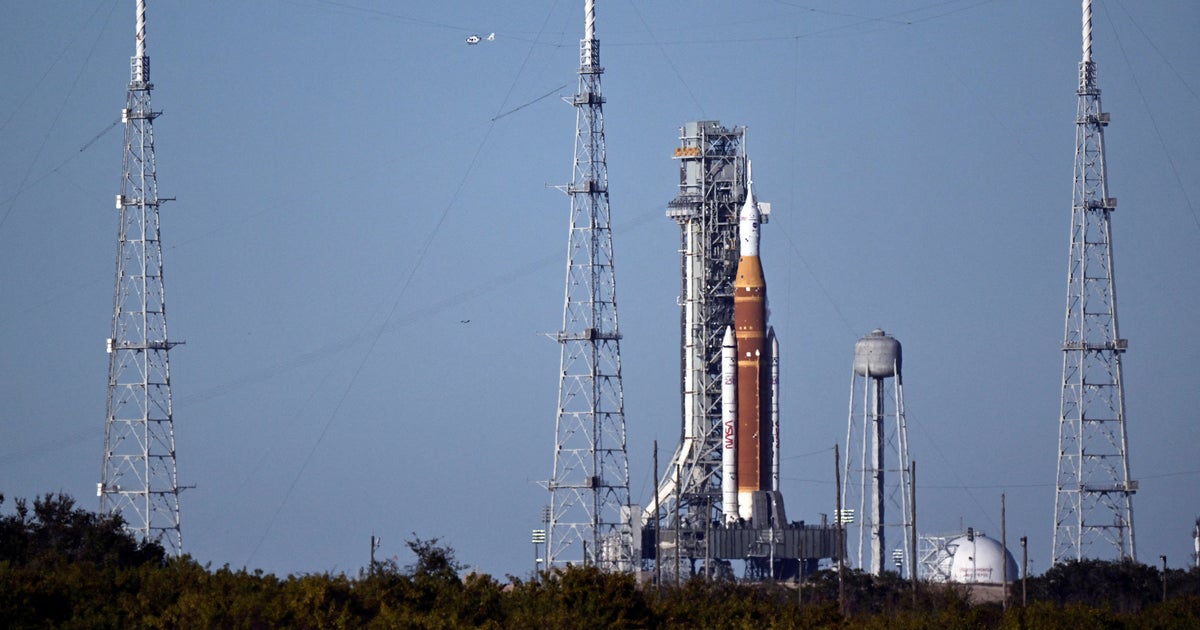
NASA Revises Artemis Moon Program Timeline, Adds 2027 Test Mission for Safety
NASA Administrator Jared Isaacman announced a major overhaul of the Artemis moon program, adding an additional preparatory mission in 2027 t
 cbsnews.com·3mo ago
China's Space Program Targets 2030 Moon Landing Amid NASA Artemis Schedule Changes
The article discusses China's space program aiming for a lunar landing by 2030, potentially outpacing NASA's Artemis mission. It includes an
 spectrum.ieee.org·3mo ago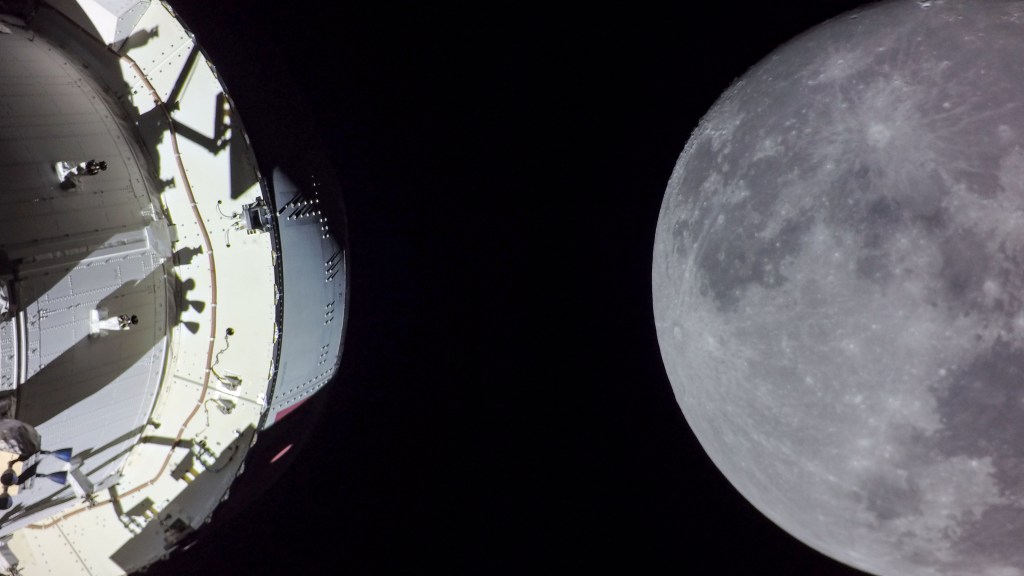
NASA Artemis II Mission to Conduct Lunar Flyby and Surface Observations on April 6
NASA's Artemis II mission will conduct a lunar flyby on April 6, during which astronauts will capture high-resolution photographs of the Moo
 plus.nasa.gov·1mo ago