





















Nanolang: A Minimal Programming Language Designed for Coding LLMs with Formally Proved Core
By
Scramblejams

The bagel they save for the regulars. Don't skim, savour.
Summary
Nanolang is a minimal programming language specifically designed for coding LLMs (Large Language Models) to write and humans to read. It features unambiguous syntax, requires tests, and has a formally proved core using Coq with zero axioms. The language transpiles to C for native performance and includes its own virtual machine (NanoISA) that isolates dangerous external calls in a separate process. The project provides comprehensive documentation including a user guide with executable examples, making it accessible for developers interested in AI-targeted programming languages.
Key quotes
· 5 pulledI am a minimal programming language designed for machines to write and humans to read.
I require tests, I use unambiguous syntax, and my core is formally proved.
I transpile to C when you need native performance. I also provide my own virtual machine, NanoISA, which isolates dangerous external calls in a separate process.
My core semantics are mechanically proved in Coq using zero axioms.
A tiny experimental language designed to be targeted by coding LLMs
You might also wanna read

Reflections on DwarfStar 4's rapid rise in local AI inference
The author reflects on the unexpected popularity of DwarfStar 4 (DS4), a local AI inference project. They attribute its success to the conve
antirez.com·1d agoReflections on DwarfStar 4's rapid rise in local AI inference
The author reflects on the unexpected popularity of DwarfStar 4 (DS4), a local AI inference project. They attribute its success to the conve
antirez.com·1d ago
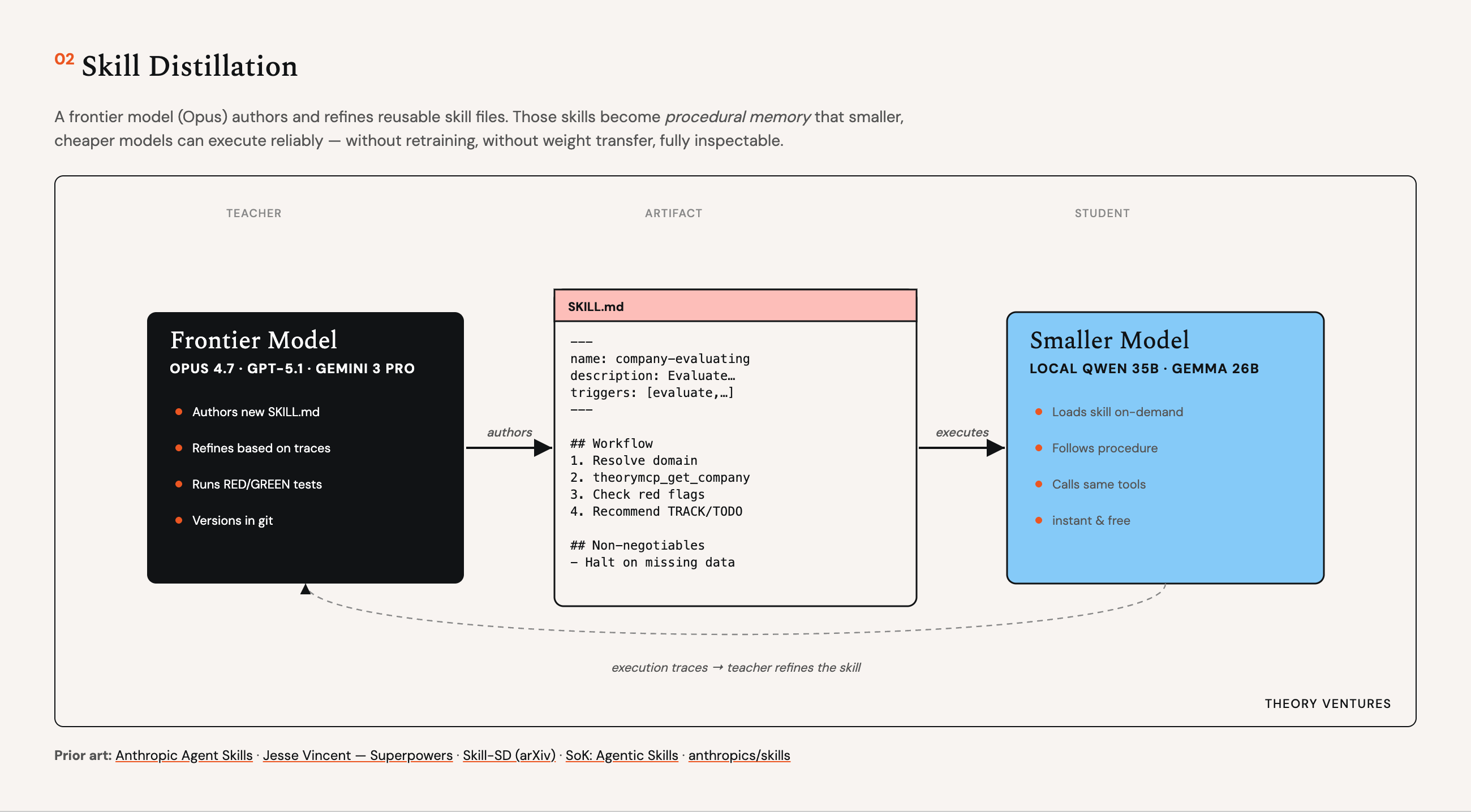
Building a Personal AI Agent with Markdown-Based Skills and Local Models
The article describes a personal AI agent built on Pi that manages the author's inbox, calendar, deal pipeline, blog publishing, and researc
 tomtunguz.com·2d ago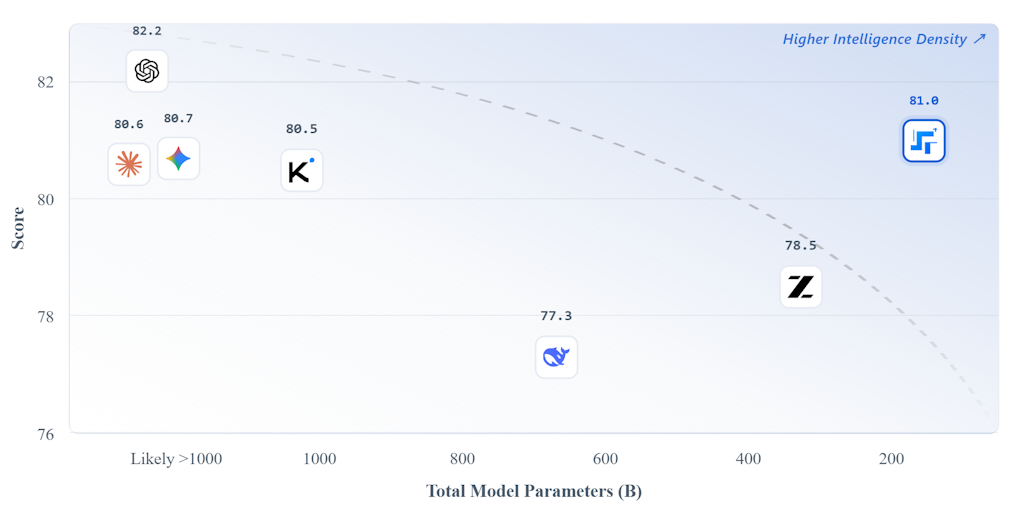
StepFun Releases Step 3.5 Flash: 196B Sparse MoE Model for OpenClaw Agents
StepFun has released Step 3.5 Flash, a 196B sparse Mixture of Experts (MoE) model that activates only 11B parameters per token for high effi
 Product Hunt·2d ago
Anthropic Releases Claude Opus 4.7 AI Model with 1M Context Window and Enhanced Coding Capabilities
Anthropic announces Claude Opus 4.7, their latest AI model featuring a hybrid reasoning architecture with a 1 million token context window.
 anthropic.com·2d ago
Anthropic Releases Claude Opus 4.7 AI Model with 1M Context Window and Enhanced Coding Capabilities
Anthropic announces Claude Opus 4.7, their latest AI model featuring a hybrid reasoning architecture with a 1 million token context window.
anthropic.com·2d ago