





















My!hū: Real-Time Global Platform for Climate and Disaster Data Visualization
By
Lovey

Even the toaster can't save this one.
Summary
My!hū is a real-time global platform that consolidates fragmented climate and disaster data into a unified, map-based interface. It transforms complex environmental data into simple, actionable insights, enabling users to instantly understand global climate and disaster events through clear visualizations.
Key quotes
· 3 pulledMy!hū unifies fragmented climate and disaster data into one real-time, global platform.
Unlike tools that are siloed or focus on one domain, it delivers clear, map-based insights across the world.
By turning complex data into simple, actionable intelligence, My!hū helps anyone understand what's happening on the planet—instantly.
You might also wanna read


Amazon Settles $20.5M Class Action Lawsuit Over AI Data Center Pollution in Eastern Oregon
Amazon has agreed to a $20.5 million settlement in a class action lawsuit regarding pollution from AI data centers in Eastern Oregon. The la
 brockovichdatacenter.com·9m ago
Communities Push Back Against Massive AI Data Center Projects Amid Environmental Concerns
Kevin O'Leary is defending a massive 40,000-acre data center project in drought-stricken northern Utah, dismissing resident concerns about e
 theintercept.com·12m ago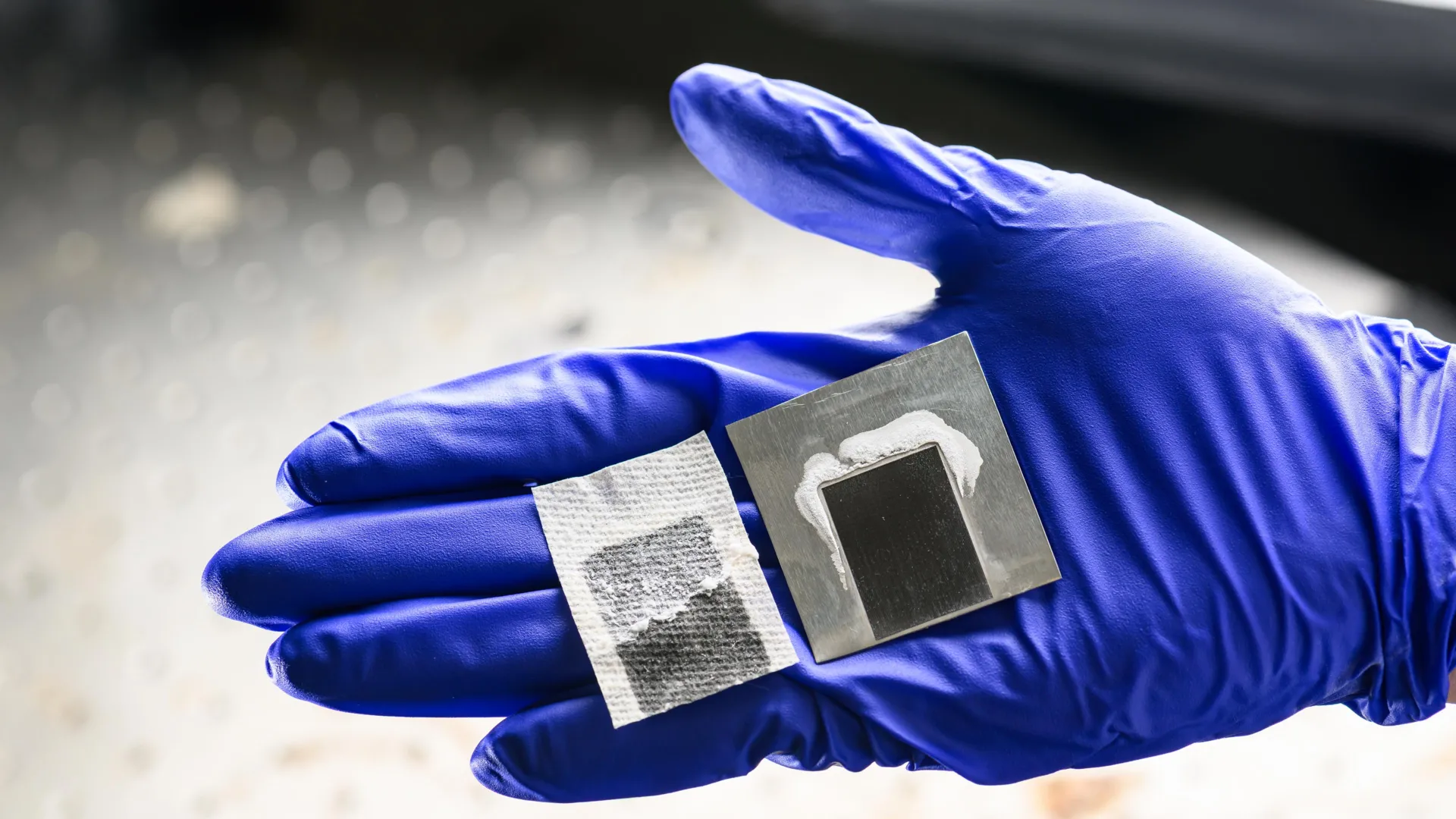
Solar desalination system eliminates toxic brine while producing fresh water
Scientists have developed a solar-powered desalination system that converts seawater into fresh water without producing toxic brine, a major
Solar desalination system eliminates toxic brine while producing fresh water
Scientists have developed a solar-powered desalination system that converts seawater into fresh water without producing toxic brine, a major

Emerging Technologies Could Replace Ship Speed Limits to Protect North Atlantic Right Whales
The article discusses how emerging technologies—such as satellite ping trackers, thermal cameras, and acoustic monitoring devices—could help
 nytimes.com·3h ago
Emerging Technologies Could Replace Ship Speed Limits to Protect North Atlantic Right Whales
The article discusses how emerging technologies—such as satellite ping trackers, thermal cameras, and acoustic monitoring devices—could help
nytimes.com·3h ago