





















Microsoft claims Majorana 2 quantum chip is 1,000 times more reliable, aims for commercial quantum computer by 2028
By
Zoe Kleinman

Slow-proofed and worth the wait. Worth its weight in flour.
Summary
Microsoft has announced its new quantum chip, Majorana 2, claiming it is 1,000 times more reliable than its predecessor. The qubits on the chip survive for an average of 20 seconds, a significant improvement over previous instability issues. Microsoft predicts it will have a quantum computer capable of solving commercially useful problems by the end of the decade (within three years). The technology aims to address the notorious fragility of qubits, which are the core components of quantum computing.
Key quotes
· 3 pulledMicrosoft says its new quantum chip is vastly more reliable than its previous version, paving the way for a quantum computer solving commercially useful problems within three years.
At the heart of quantum computing are qubits, which offer the promise of answering questions that defeat today's machines, but are notoriously delicate and unstable.
Microsoft says the qubits on Majorana 2, its new chip, survive for an average of 20 seconds, rather than the mi
You might also wanna read

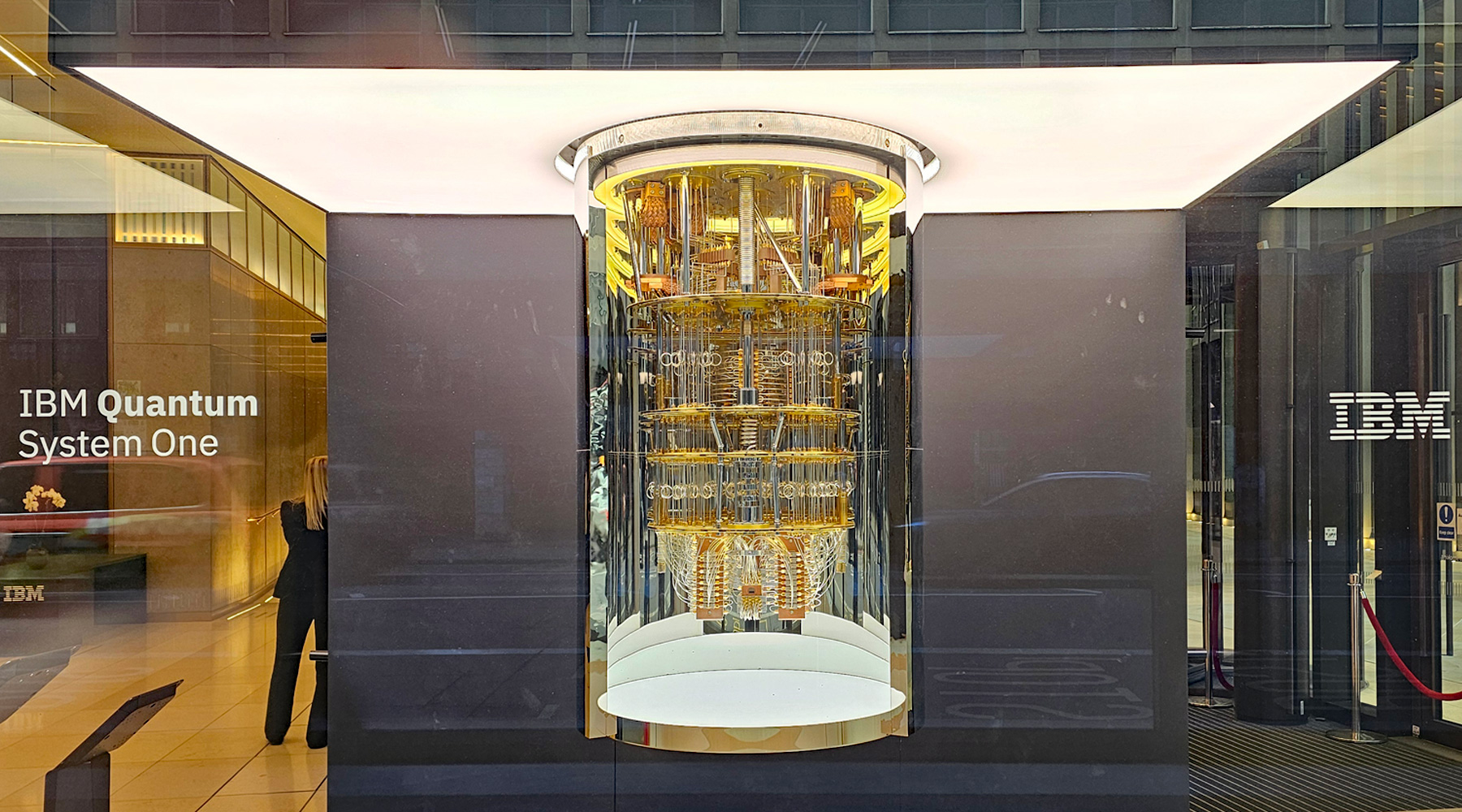
IBM's Quantum System One: First Commercial Quantum Computer on Display in Waterloo Office
The article describes IBM's Quantum System One, the first circuit-based commercial quantum computer launched in January 2019, which is on di
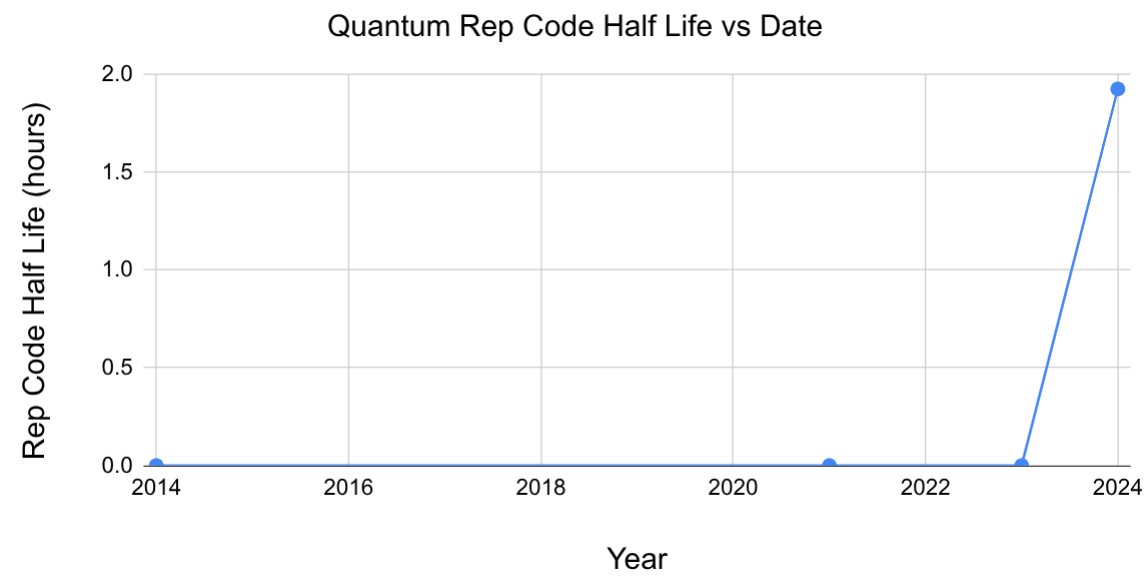
Quantum Error Correction Progress and Future Outlook for Qubit Quality
The article discusses the rapid advancement of quantum error correction, predicting that maximum achievable qubit quality will drastically i
 algassert.com·5mo ago
Bitcoin's Quantum Computing Vulnerability: Timeline and Upgrade Paths
The article discusses the quantum computing threat to Bitcoin's security, specifically how Bitcoin's current cryptographic signatures would

MEMS Photonics Chip Enables Control of Millions of Quantum Qubits with Laser Steering
Researchers from MITRE, MIT, University of Colorado Boulder, and Sandia National Laboratories have developed a MEMS (micro-electro-mechanica
 spectrum.ieee.org·2mo ago