





















Methodology for Calculating Energy Consumption of Products and Devices
By
speckx

Toasted golden, schmeared with insight. Top of the rack.
Summary
This article presents a methodology for estimating energy consumption of various products and devices, explaining how energy use is calculated in watt-hours using the formula Energy (Wh) = Power (Watts) × Time (Hours). It covers both electrical and non-electrical products, providing a systematic approach to understanding energy consumption across different categories.
Key quotes
· 4 pulledAll energy consumption values in this tool are measured in watt-hours (Wh), which is the amount of energy consumed over time.
The basic formula for calculating energy consumption is: Energy (Wh) = Power (Watts) × Time (Hours)
For example, a 100-watt light bulb used for 2 hours would consume 200 watt-hours of energy.
Most products on this list are electrical, but energy use for non-electric products (such as petrol car)
You might also wanna read

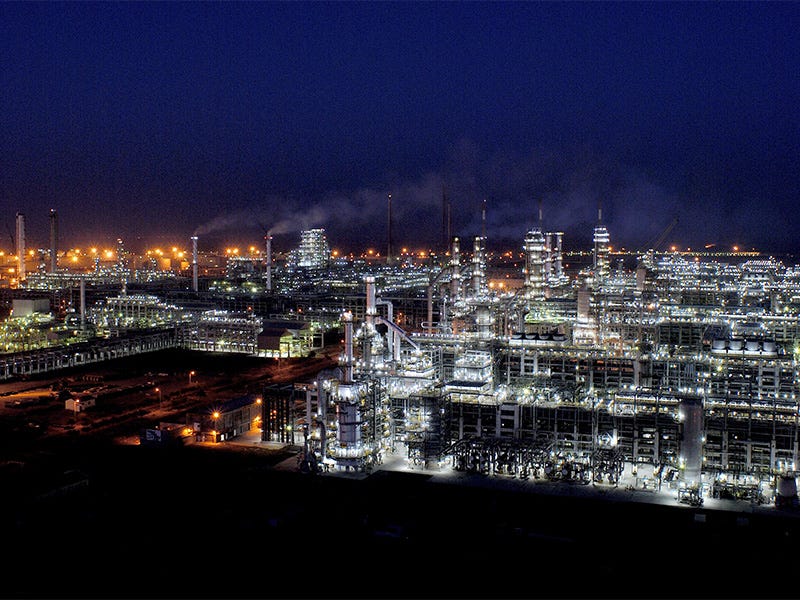
How Oil Refineries Process Crude Oil into Petroleum Products
This article explains how oil refineries work, detailing the process of converting crude oil into usable petroleum products. It covers the i
 construction-physics.com·1mo ago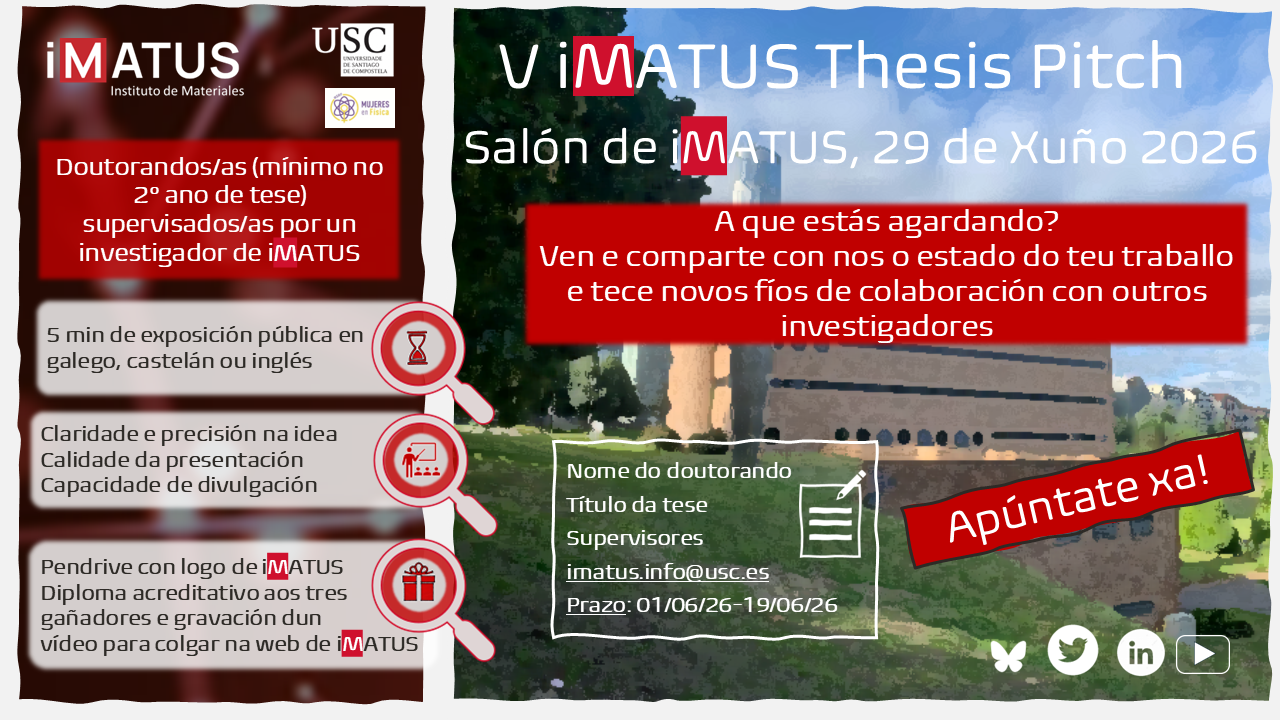
iMATUS anuncia a quinta edición do seu Thesis Pitch para doutorandos en xuño de 2026
O iMATUS organiza a quinta edición do iMATUS Thesis Pitch, un evento onde estudantes de doutoramento vinculados ao instituto presentan a súa
 imatus.usc.es·1h ago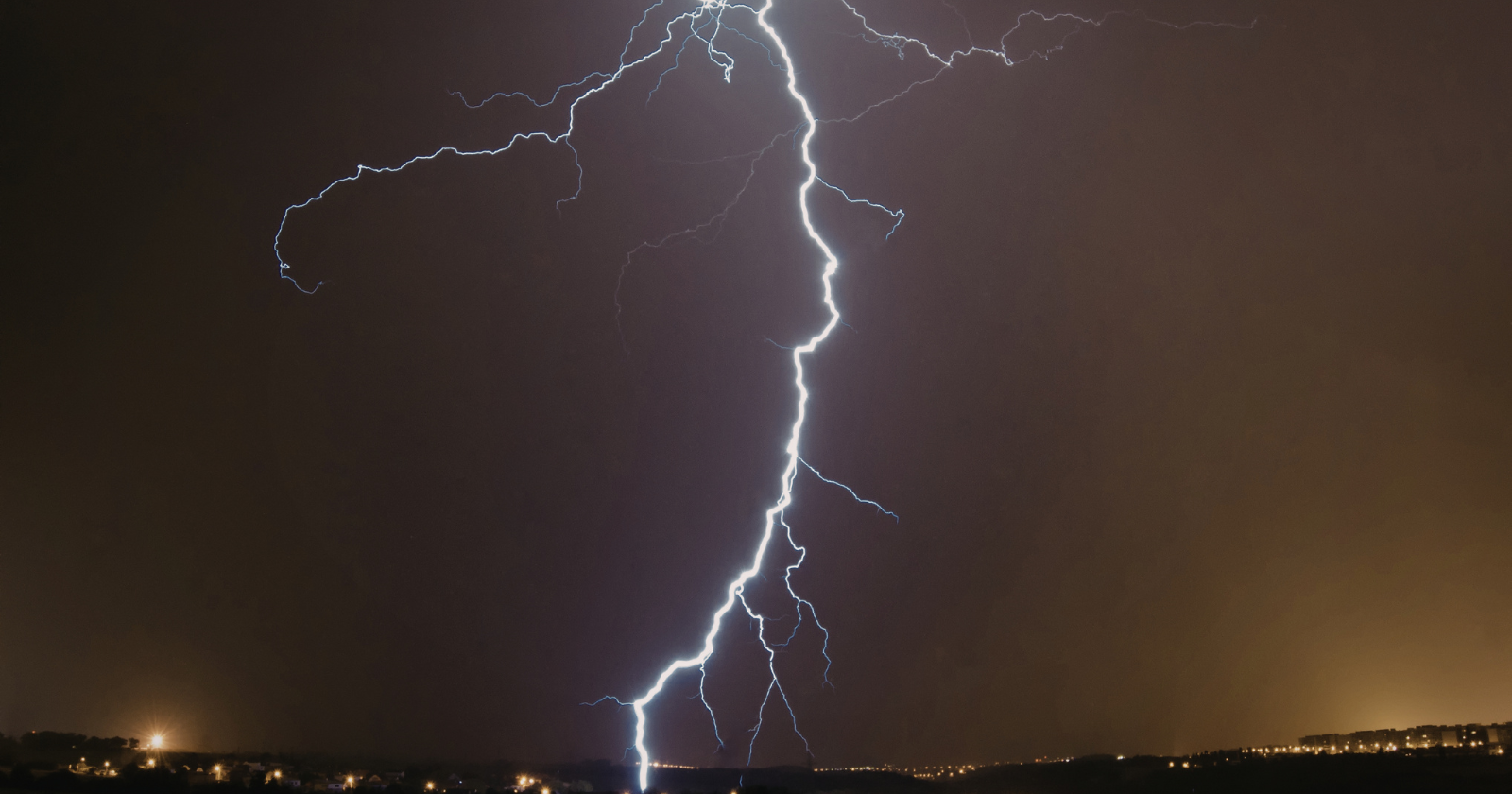
Lightning's temperature is roughly five times hotter than the Sun's surface, NOAA confirms
This article examines the claim that lightning heats the air to five times the temperature of the Sun's surface. It confirms that the US Nat
 spacedaily.com·5h ago
Study examines how defoliation affects carbohydrate reserves and reproduction in mango trees
This scientific study investigates how non-structural carbohydrate (NSC) reserves in mango trees support fruit development and buffer source
 doi.org·7h ago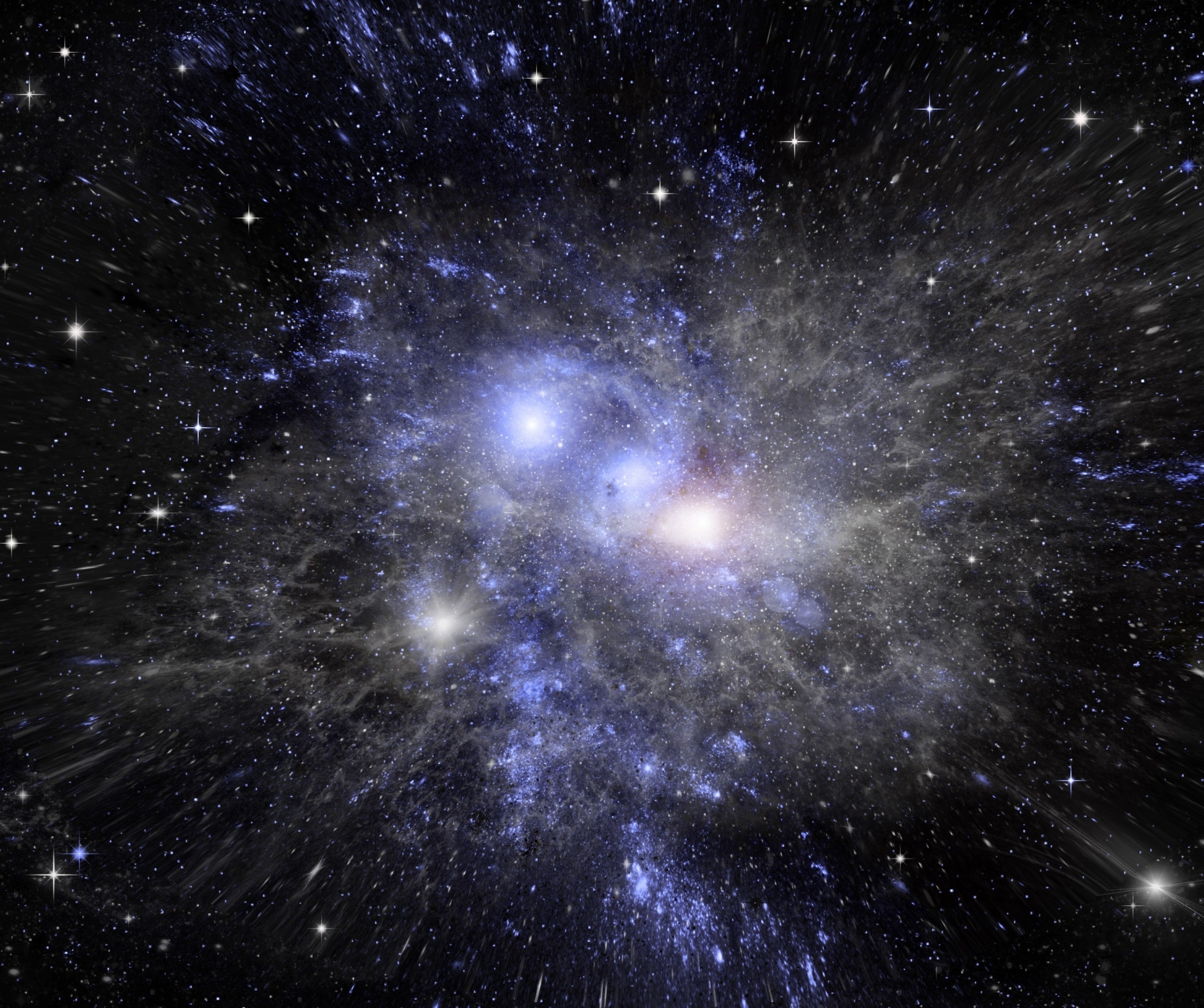
Mathematicians challenge dark energy model, suggesting cosmic acceleration may arise naturally from Einstein's equations
A team of mathematicians challenges the long-standing dark energy model, arguing that the model it was designed to rescue was never mathemat
 earth.com·8h ago
Massachusetts invests $25M in MIT's new Quantum Systems Laboratory for quantum computing research
MIT is launching a Quantum Systems Laboratory in Cambridge, backed by a $25 million state investment from Massachusetts. The facility aims t