





















Martin Luther King Jr.'s Philosophy of Nonviolence: Christian Love Meets Gandhian Resistance
By
rkp8000

Fresh out the oven, still warm. Top of the tray.
Summary
The article explores Martin Luther King Jr.'s theological and philosophical understanding of nonviolence, drawing from his writings in "Stride Toward Freedom" and other works. It examines King's concept of "true pacifism" or "nonviolent resistance" as a courageous confrontation of evil through love, combining Christian doctrine with Gandhian methods. King viewed nonviolence as both a moral commitment and a practical strategy, considering it one of the most potent weapons available to oppressed people in their struggle for freedom.
Key quotes
· 3 pulledTrue pacifism, or nonviolent resistance, King wrote, is a courageous confrontation of evil by the power of love
Both morally and practically committed to nonviolence, King believed that the Christian doctrine of love operating through the Gandhian method of nonviolence was one of the most potent weapons available to oppressed people in their struggle for freedom
He described his own pilgrimage to nonviolence in his first book, Stride Toward Freedom, and in subsequent books and articles
You might also wanna read


Declassified CIA Cartography Maps from the 1980s: Cold War Urban Intelligence
This article showcases a collection of declassified CIA cartography maps from the 1980s, originally shared via a Flickr album. The maps focu
 brilliantmaps.com·4d ago
A satirical look at the Soviet 1936 constitution and its contrast with modern governance
The article uses a satirical comparison between the Soviet Union's 1936 constitution (which promised extensive rights and benefits) and mode
 experimental-history.com·13d ago
When Kierkegaard Got Cancelled: A 19th-Century Case of Public Shaming in Denmark's Golden Age
The article explores the historical "cancellation" of philosopher Søren Kierkegaard in 1845 Denmark, when he was mercilessly mocked and atta
 plough.com·13d ago
Historian Clifton Crais Argues Modern Era Should Be Defined by Mass Violence, Not Anthropocene
The article discusses historian Clifton Crais's argument in his book 'The Killing Age' that the modern era should be defined not as the Anth
 newstatesman.com·3mo ago
Martin Luther King Jr.'s Letter from Birmingham Jail: A Defense of Civil Rights Activism
Martin Luther King Jr.'s famous letter written from Birmingham Jail in 1963 addresses criticism from fellow clergymen who called his civil r
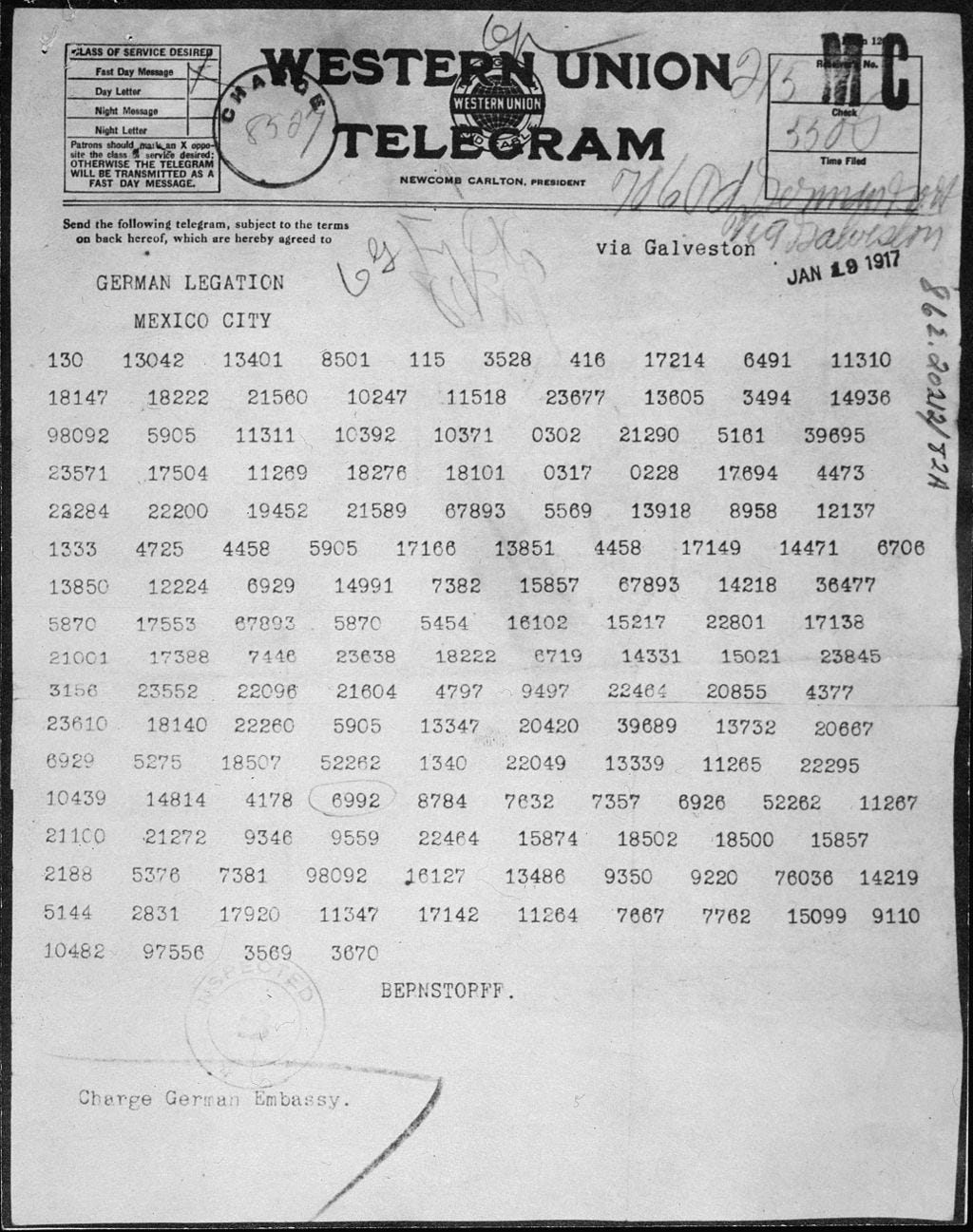
The Zimmermann Telegram: How British Codebreaking Changed World War I
The article recounts the historical codebreaking operation by British intelligence during World War I to intercept and decrypt the Zimmerman
 medium.com·4mo ago