





















Webinar: Holding Fossil Fuel Companies Accountable for Climate Change Public Health Costs

Pale and squishy. Not ruined, just not done.
Summary
This article announces a webinar hosted by the Network for Public Health Law on June 23, 2026, focusing on holding fossil fuel companies financially accountable for the public health costs of climate change. It highlights how extreme weather events and climate-related health threats (flooding, fires, heatwaves, vector-borne diseases, rising sea levels, declining air quality) are increasing costs for families and communities. The webinar aims to explore legal and financial accountability mechanisms to make polluters pay for these public health impacts.
Key quotes
· 3 pulledNot only is climate change one of the most significant threats to public health, but it is also incredibly costly.
With the increasing number of extreme weather events such as flooding, fires, heatwaves and other climate related public health threats such as vector born disease, rising sea levels, and declining air quality, comes increased costs for families and communities.
With ample evidence that the large fossil fuel companies...
You might also wanna read

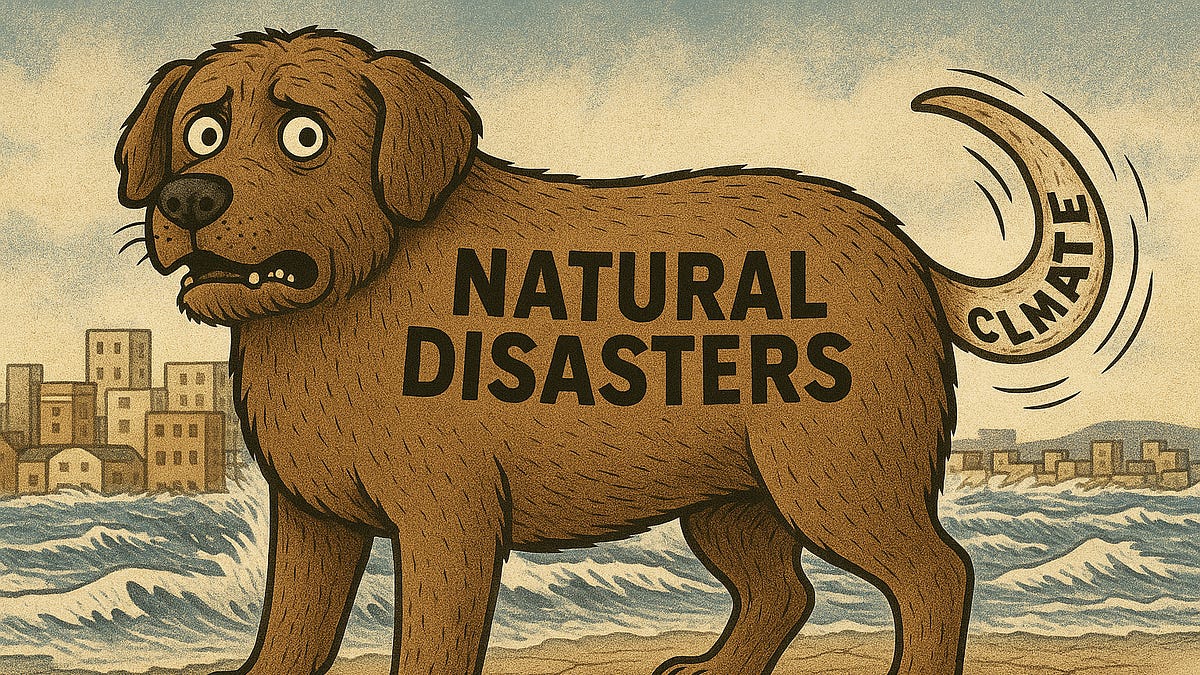
From Climate Catastrophism to Pragmatism: An Evolving Perspective on Climate Risk
The author reflects on his evolution from being a climate catastrophist to adopting a more pragmatic approach to climate change. He acknowle
 breakthroughjournal.org·7mo ago
Climate Risks Drive Homeowners Insurance Costs to Crisis Levels in Disaster-Prone Cities
A new housing report reveals that homeowners insurance is becoming increasingly unaffordable in disaster-prone U.S. cities, with climate ris

Climate Crisis Threatens to Make Regions Uninsurable, Warns Insurance Industry
Top insurers, including Allianz board member Günther Thallinger, warn that the climate crisis could soon render entire regions uninsurable,
 cnbc.com·10mo ago
Untitled
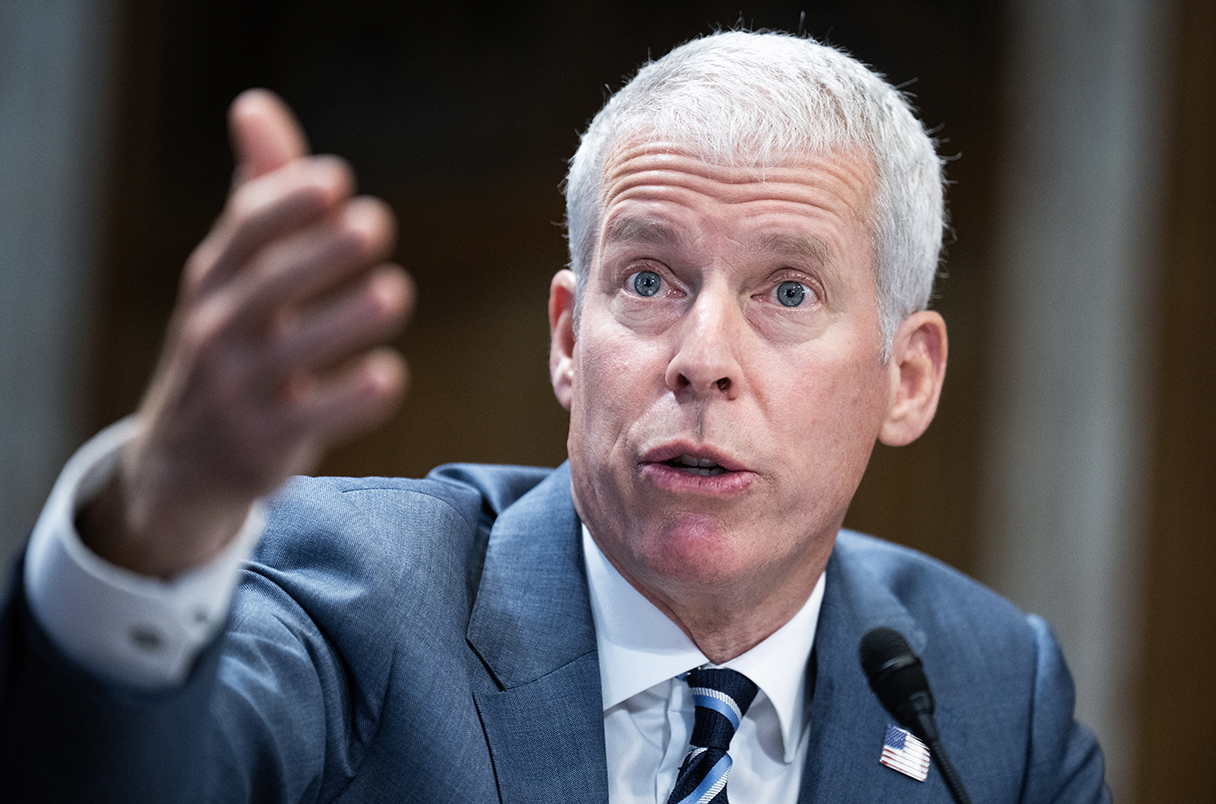
U.S. DOE Climate Report Challenges IPCC Findings, Faces Criticism for Data Selection
The U.S. Department of Energy (DOE) released a climate assessment contradicting the United Nations' Intergovernmental Panel on Climate Chang
 science.org·10mo ago
Practical Strategies for Reducing Website Environmental Impact and Carbon Footprint
This article provides practical guidance for digital professionals on reducing the environmental impact of websites through a decarbonizing
 Smashing Magazine·9mo ago