





















Locki Browser Extension: Encrypt and Decrypt Text Directly in Input Fields
By
Tim T.

The bagel they save for the regulars. Don't skim, savour.
Summary
Locki is a browser extension that enables users to encrypt and decrypt text directly within any text input field. Created to address the need for secure sharing of sensitive information like API keys and passwords, it allows encrypted text to remain visible but unreadable until unlocked with the proper key. The extension supports secure key management and team sharing capabilities, available for Chrome browsers.
Key quotes
· 4 pulledEncrypt/decrypt text directly where you type
Keep encrypted fragments visible but unreadable until unlocked
Manage keys securely and even share them with your team
The idea came from the need to share sensitive information without risking data leaks
You might also wanna read

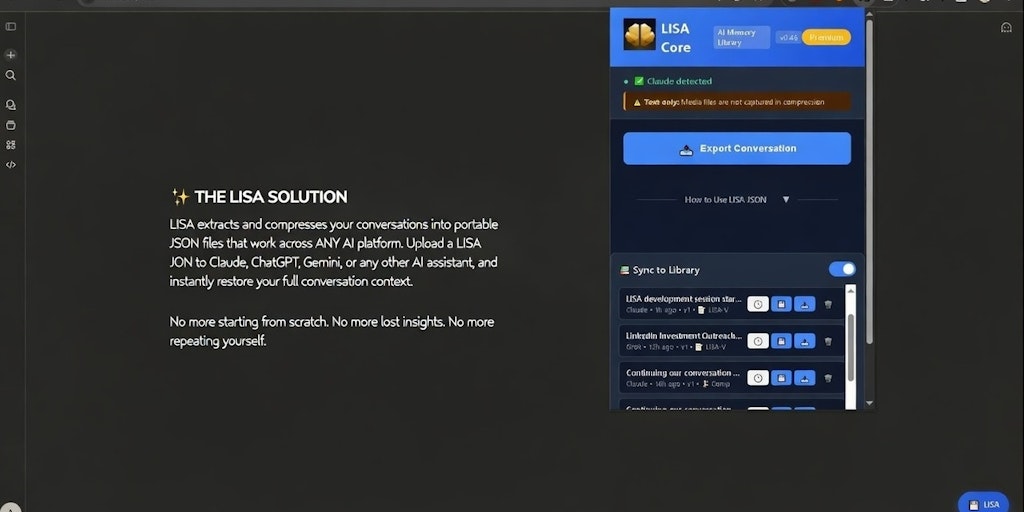
LISA Core: Privacy-First Browser Extension for Local AI Conversation Storage Using Semantic Compression
LISA Core is a privacy-first browser extension that uses semantic compression technology to capture and preserve AI conversations across pla
 Product Hunt·1mo ago
Phishing Campaign Targets Signal Users by Stealing Backup Recovery Keys
A new wave of phishing attacks is targeting Signal users by impersonating the app's support team. Hackers send messages inside Signal claimi
 cybersecuritynews.com·2h ago
Apple Plans to Launch Smart Glasses in Late 2027, Competing With Meta's Ray-Ban Wearables
The article discusses Apple's anticipated entry into the smart glasses market, reportedly launching in late 2027, directly competing with Me
 gizmodo.com·2h ago
California Sues 23andMe Over 2023 Data Breach Affecting Nearly 7 Million Users
California Attorney General Rob Bonta has filed a lawsuit against Chrome Holding Co. (formerly 23andMe) over a 2023 data breach that exposed
 oag.ca.gov·2h ago
Americanfortress Launches Compliant Privacy Infrastructure Beta on Arbitrum for Institutional DeFi
Americanfortress has launched the beta version of its compliant privacy infrastructure on the Arbitrum network, designed to support institut
 news.bitcoin.com·2h ago
New phishing campaign targets Signal users to steal chat backup recovery keys
Hackers are targeting Signal users in a new phishing campaign that attempts to steal their chat backups. The attackers pose as Signal's supp
 techcrunch.com·2h ago