





















libgodc: Go Runtime Implementation for Sega Dreamcast Development
By
drpaneas

A baker's-dozen of insight crammed into one ring.
Summary
libgodc is a specialized Go runtime implementation for the Sega Dreamcast gaming console, designed to work within the platform's hardware constraints (16MB RAM, single-core SH-4 CPU, no operating system). The project replaces the standard Go runtime with one that provides core Go features like garbage collection, goroutines, and channels for Dreamcast development. It requires Go 1.25.3+ and integrates with the KOS (KallistiOS) Dreamcast development environment using gccgo.
Key quotes
· 4 pulledReplaces the standard Go runtime with one designed for the Dreamcast's constraints: memory 16MB RAM, CPU single-core SH-4, no operating system.
Provides garbage collection, goroutines, channels, and the core runtime functions.
Go runtime for Dreamcast using gccgo and KOS.
Measured on real hardware (SH-4).
You might also wanna read

wolfCOSE: A Lightweight COSE + CBOR Library for Embedded Systems with PQC and FIPS 140-3 Support
wolfCOSE is a lightweight C library implementing CBOR (RFC 8949) and COSE (RFC 9052/9053) for embedded systems, using wolfSSL as the crypto
 github.com·1d ago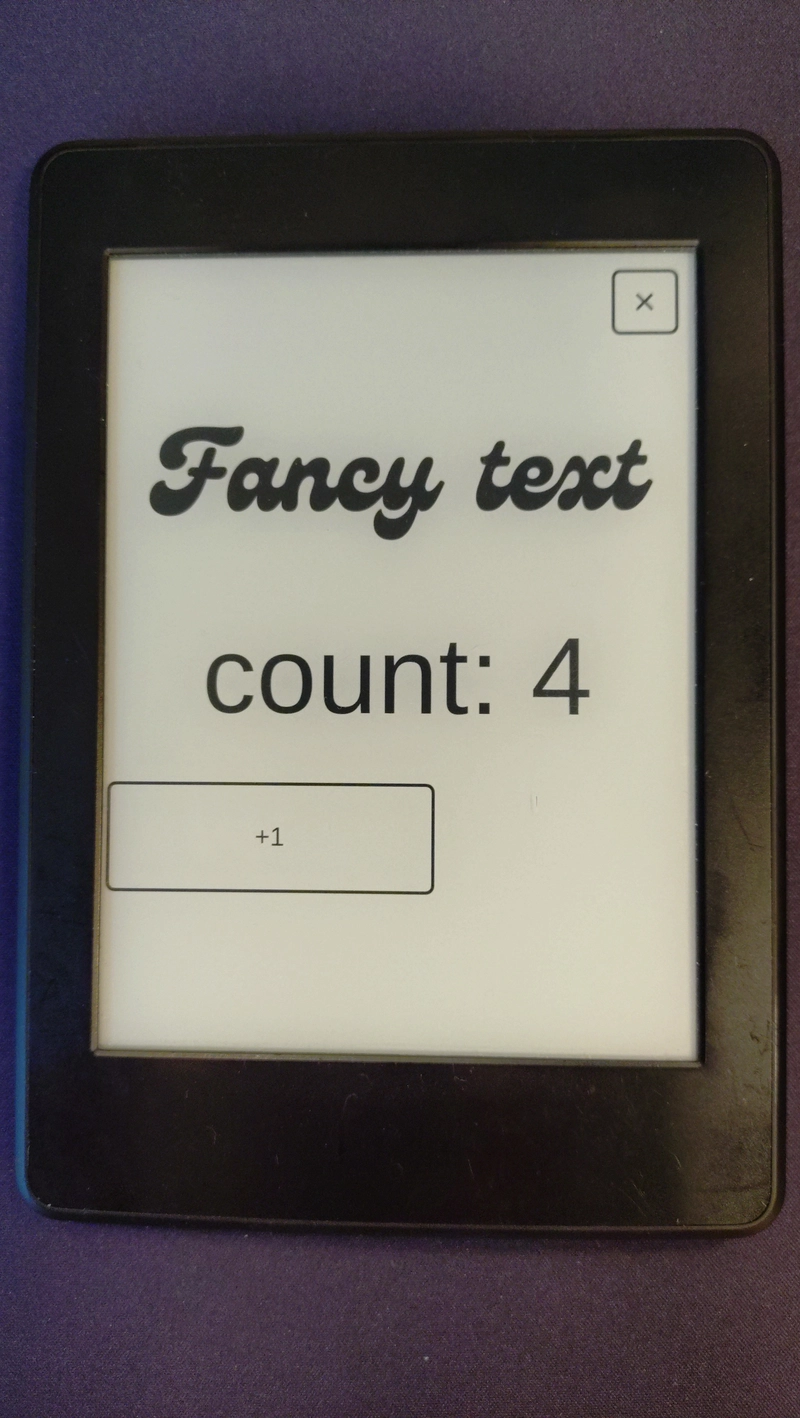
Running Rust and Slint on a Jailbroken Kindle Paperwhite
A developer jailbreaks their 7th generation Kindle Paperwhite to use it as a nightstand clock, then explores running Rust (and Slint) on the
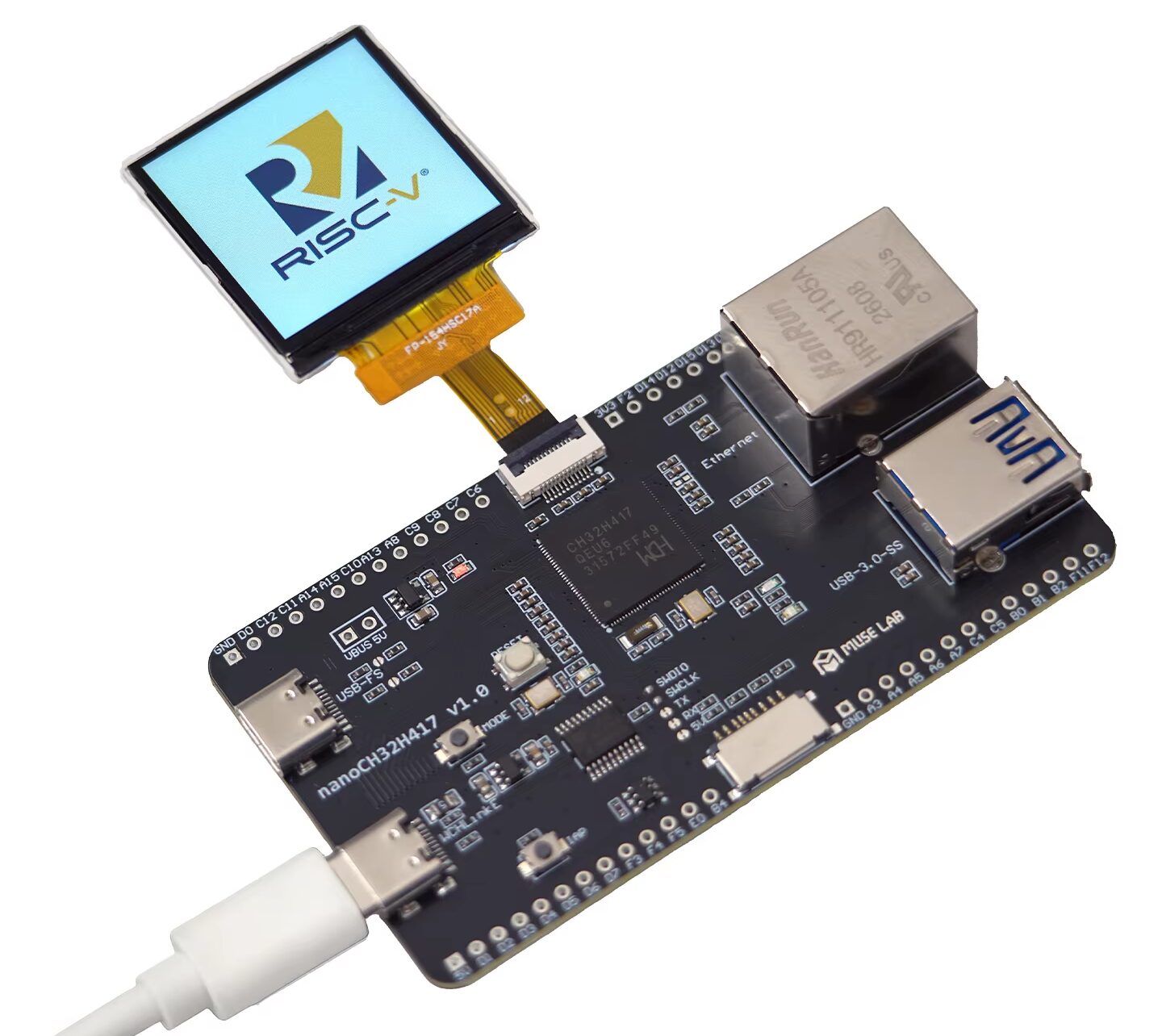
MuseLab nanoCH32H417: $17 RISC-V MCU Board with USB 3.0 and Fast Ethernet
MuseLab has released the nanoCH32H417, a third-party development board for the WCH CH32H417 dual-core RISC-V MCU. Priced at $17, the board f
 cnx-software.com·4d ago
Flipper One Technical Documentation: Hardware, Software, and Testing Guide
This is technical documentation for the Flipper One device, covering hardware specifications (power subsystem, Wi-Fi/Bluetooth, M.2 port, GP
rkdebian: Run Debian 12 on Doogee U10 Tablet via SD Card Without Bootloader Unlock
This article presents rkdebian, a build system that enables running full Debian 12 Bookworm on a Doogee U10 tablet (RK3562 chipset) without
github.com·14d ago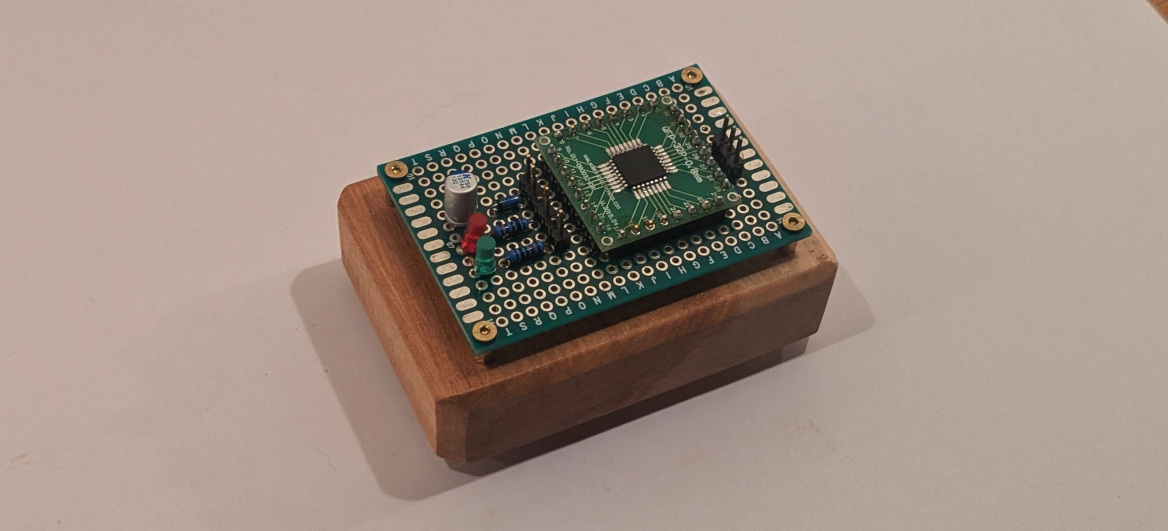
Hosting a website on an 8-bit AVR64DD32 microcontroller
A technical blog post detailing the author's experiment of hosting a functional website on an AVR64DD32 microcontroller — an 8-bit AVR chip
 maurycyz.com·15d ago