





















Pop Mart Says Non-Labubu Toys Account for 50% of US Revenue, Pushing Back on Over-Reliance Concerns
By
By Bloomberg NewsJune 9, 2026 at 11:00 PM UTCUpdated on June 10, 2026 at 3:15 AM UTCBookmarkSave

Worth a glance, not a chew.
Summary
Pop Mart International Group Ltd. is pushing back against concerns that its overseas business relies too heavily on the Labubu character. COO Si De revealed that non-Labubu items accounted for about 50% of total revenue in the US last year, and in markets like Japan, South Korea, and Southeast Asia, non-Labubu characters make up the majority of sales. The company argues Labubu's explosive growth has overshadowed the strong performance of its other toys.
Key quotes
· 2 pulledSales of non-Labubu items accounted for about 50% of total revenue in the US last year
Labubu's explosive growth last year has taken attention away from the strong performance of its other toys
You might also wanna read

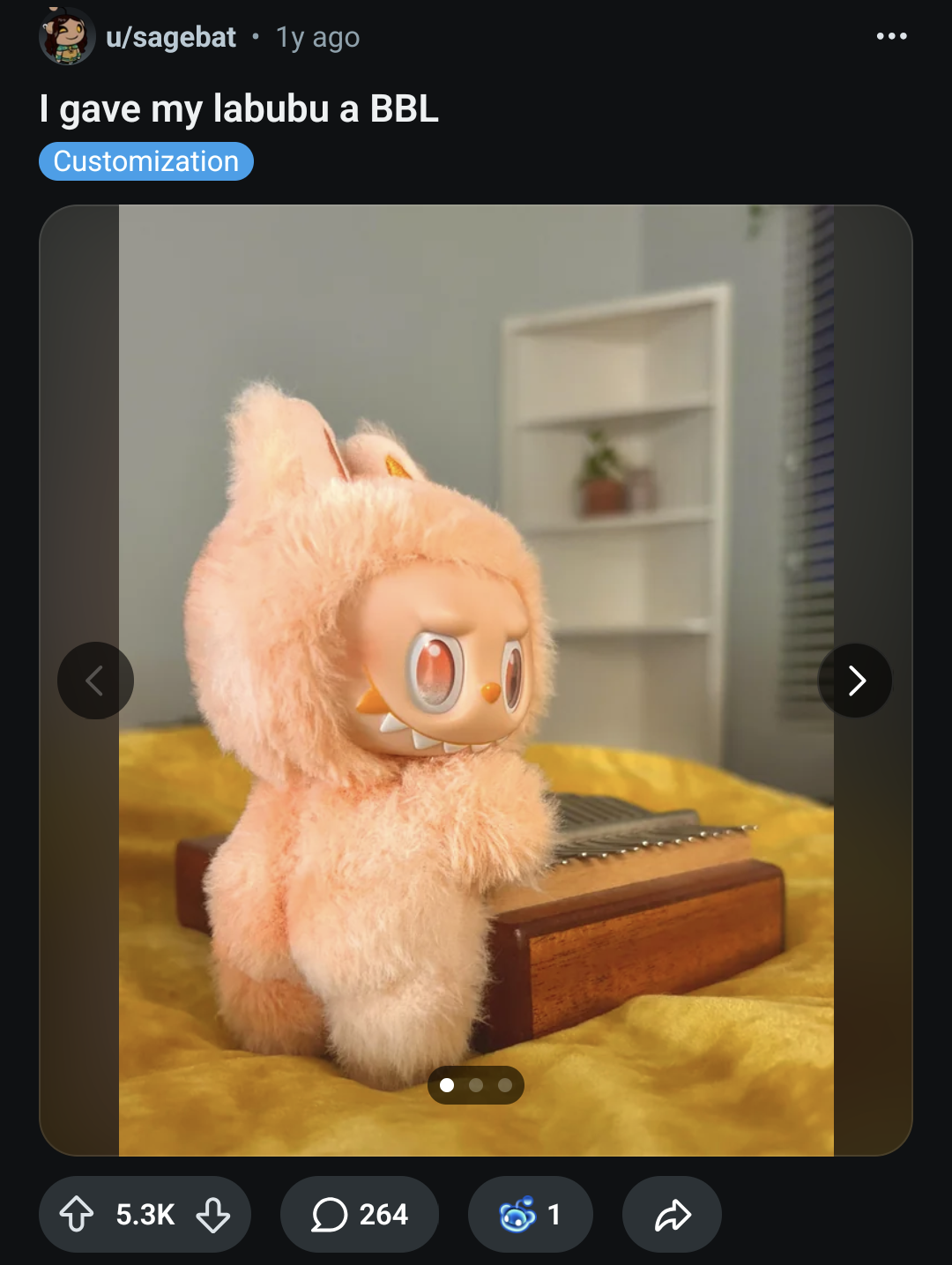
The Labubu Phenomenon: How a Snaggletoothed Plushie Became a Cultural Statement
The article explores the cultural phenomenon of Labubu, a small fluffy toy created by artist Kasing Lung in 2015, and its rise to popularity

Understanding Labubu Dolls: The Latest Celebrity Craze Explained
Celebrities like Rihanna and Blackpink’s Lisa have been seen with Labubu dolls, the latest trend in the U.S. Labubu is a designer plush toy
The Onion·1y ago
Kasing Lung's Labubu character appears on limited-edition USM Haller furniture collection
Swiss furniture maker USM has collaborated with artist Kasing Lung, creator of the popular Labubu character, to create a limited-edition col
 Dezeen·1mo ago
EU fines Temu €200 million over unsafe chargers and baby toys sold on its platform
The European Commission has fined Chinese-owned online retailer Temu €200 million for allowing the sale of unsafe products on its platform.
 bbc.co.uk·13d ago
Labubu x USM Haller collaboration featured at Milan design week
The latest Dezeen Debate newsletter highlights the collaboration between Kasing Lung's Labubu character and USM Haller at Milan design week,
Dezeen·1mo ago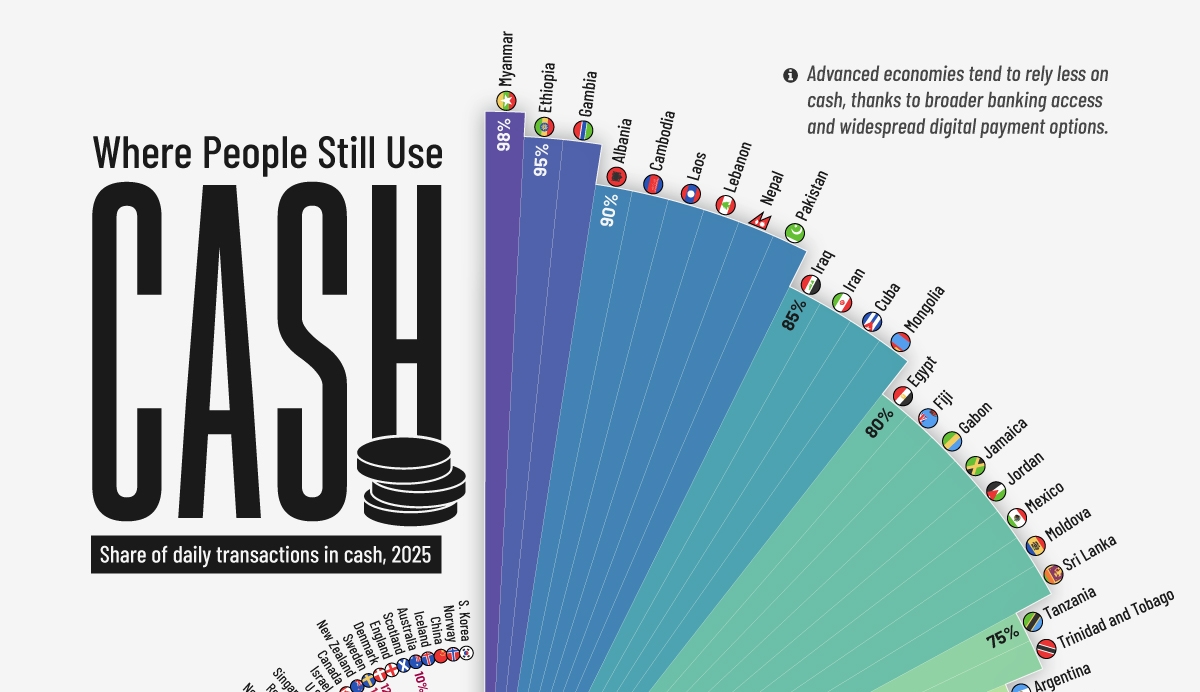
Global Cash Usage Patterns: Economic Development and Cultural Preferences
The article examines global cash usage patterns, revealing that the poorest countries like Myanmar (98%), Ethiopia (95%), and Gambia (95%) r
 voronoiapp.com·7mo ago