





















Kin: A local-first semantic version control system for AI-native development teams
By
troyjr4103

Crackling crust, pillowy middle. The kind of bagel that earns a second cup of coffee.
Summary
Kin is a new local-first semantic version control system (VCS) designed for AI-native development teams. Unlike Git, which stores text-based diffs and file history, Kin models code as a graph of semantic entities and relationships, enabling precise context retrieval for AI agents and developers. It is positioned as a sovereign VCS replacement — not a Git wrapper or coding assistant. Early benchmarks show Kin winning 69/70 task comparisons against Codex CLI with 50% less wall-clock time. Kin works with or without .git repositories.
Key quotes
· 5 pulledKin is the semantic system of record for software work.
It replaces the file-first, diff-first repository model with a graph of semantic entities and relationships, then serves precise context to AI agents and developers.
Kin is not a coding assistant or a Git wrapper -- it is a sovereign VCS and the semantic operating layer that any assistant can use.
Git stores text history. Kin understands code.
kin-native won 69/70 task comparisons while using 50.0% less wall-clock
You might also wanna read

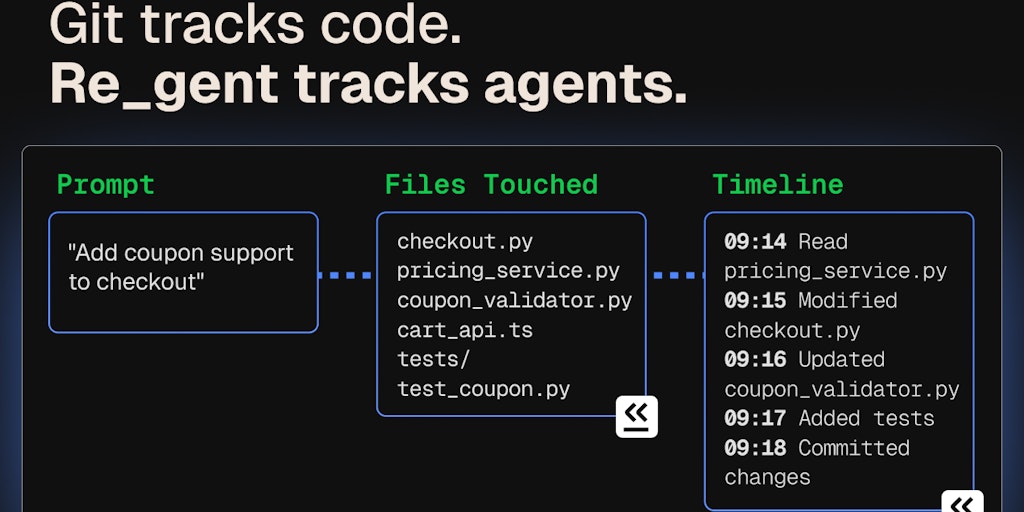
re_gent: Version Control Tool for Tracking AI Coding Agent Activity
re_gent is a new version control tool specifically designed for AI coding agents. Unlike traditional Git which tracks code changes, re_gent
 Product Hunt·17d ago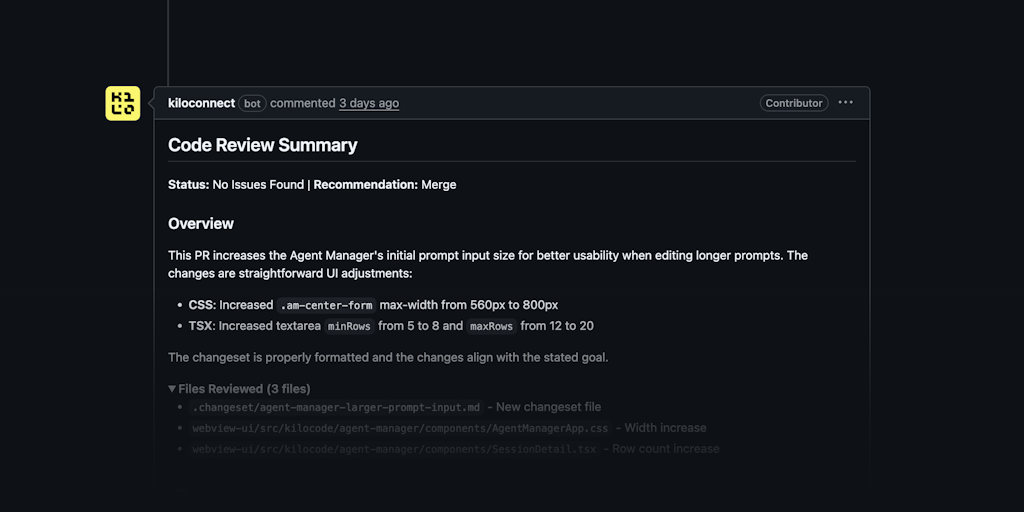
Kilo Code: Open-Source AI Coding Assistant for Development Workflow
Kilo Code is an open-source AI coding assistant designed to help developers with planning, building, and fixing code. The platform has gaine
Product Hunt·2mo ago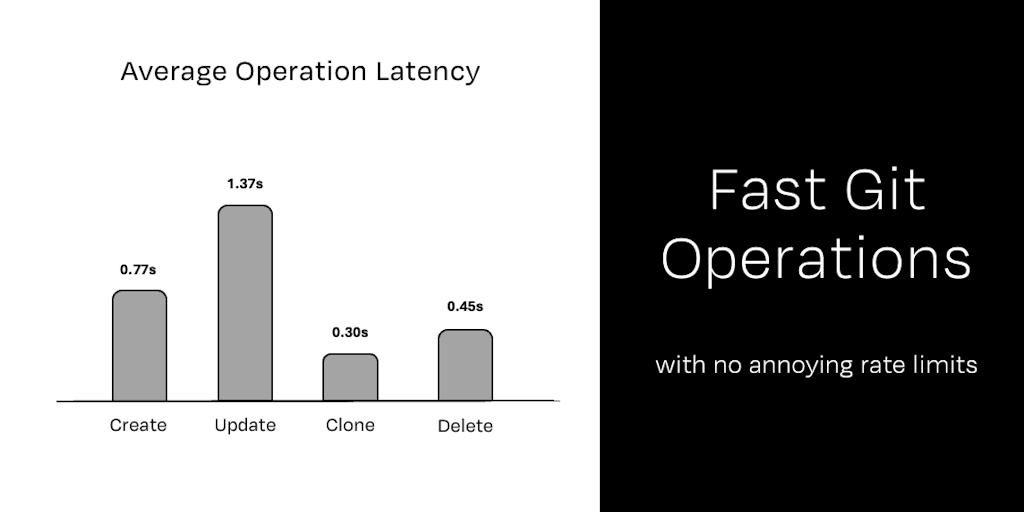
Relace Repos: Git-Compatible Source Control System for AI Coding Agents
Relace Repos is a new source control system specifically designed for AI coding agents, built by the Relace team. It's git-compatible and op
Product Hunt·7mo ago