





















Social media groups spread misinformation in UK 'news deserts' lacking local journalism, investigation finds
By
Michael Savage

Toasted golden, schmeared with insight. Top of the rack.
Summary
An investigation by the Guardian reveals that local social media groups on Facebook and X are fueling misinformation, particularly in UK 'news deserts' where over 4.4 million people lack access to reliable local journalism. The study found misinformation was nearly three times more common in areas with little or no recognized local reporting. Immigration and Islamophobia were the most common topics of fake news, with spikes in misinformation detected around local elections.
Key quotes
· 3 pulledMisinformation was nearly three times more common in areas with little or no recognised local journalism
Immigration and Islamophobia were the most common topics of misinformation across Facebook and X
Spikes in misinformation were identified around local elections
You might also wanna read

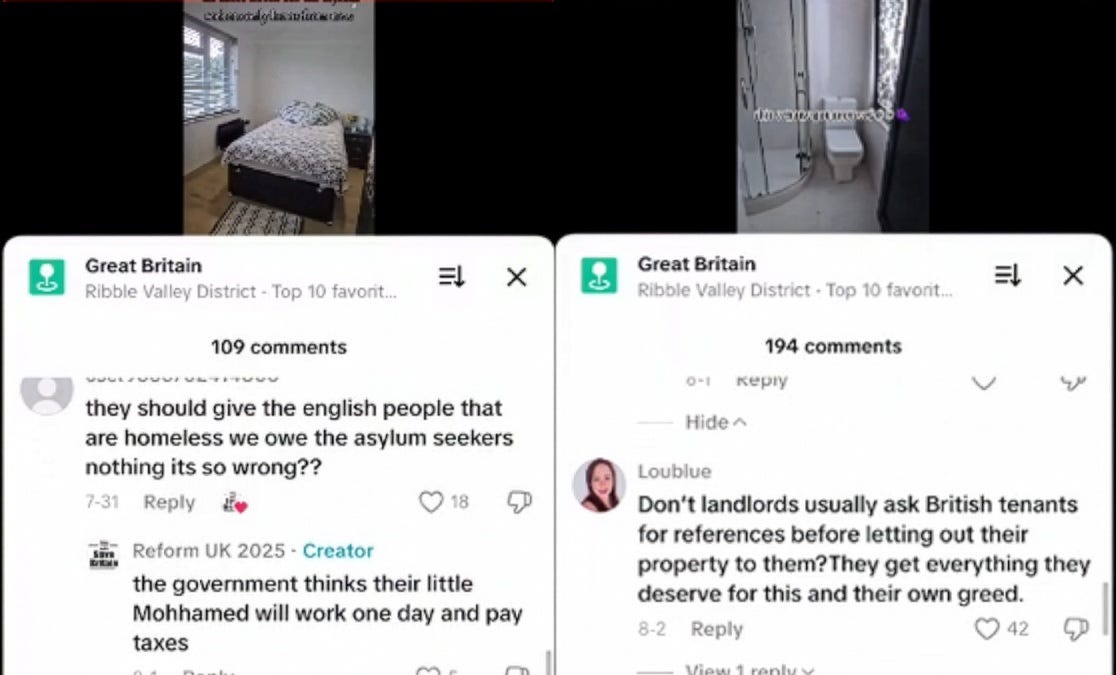
Londoners Respond to Viral Videos Spreading Misinformation About Their City
This article examines the phenomenon of viral videos spreading misinformation about London, portraying the city as being in a state of socie
 londoncentric.media·2mo ago
Research Reveals People Endorse Misinformation as Symbolic Victory Rather Than Belief in Falsehoods
New research published in the Journal of Social Psychology reveals that some people endorse easily disproven misinformation because they vie
 theconversation.com·7mo ago
The Noisy Room: How a Toxic Minority Distorts Our Perception of Social Media
This interactive essay examines how a tiny minority of users posting severely toxic content on social media creates widespread misperception
 The Noisy Room·29d ago
Digital Tools Make Fact-Checking Easier Than Ever
The article argues that despite the prevalence of misinformation online, fact-checking has never been easier due to readily available digita
 shkspr.mobi·7mo ago
Americans overestimate how many social media users post harmful content

YouGov Study: European Public Opinion on Social Media Regulation Across 7 EU Countries
A YouGov study across seven EU countries (France, Germany, Italy, Netherlands, Poland, Romania, Spain) reveals varying public attitudes towa
 yougov.co.uk·5mo ago