





















JupyterGIS: Collaborative Web-Based GIS Environment Launched in 2024
By
arjxn-py

The kind of bagel that ruins lesser bagels for you.
Summary
JupyterGIS is a collaborative, web-based GIS environment launched in June 2024 that brings QGIS-inspired workflows to the browser. Built on the JupyterLab framework, it enables real-time collaborative editing, seamless integration with notebooks, and support for core geospatial data formats. The platform has advanced significantly through community contributions and partner support, now offering expanded features for analysis and visualization.
Key quotes
· 3 pulledJupyterGIS was introduced as a collaborative, web-based GIS environment built on the JupyterLab framework
Its objective is to bring QGIS-inspired workflows into the browser, enabling real-time collaborative editing, seamless integration with notebooks, and support for core geospatial data formats
Thanks to contributions from the community and support from partner organizations, JupyterGIS has advanced significantly and now offers an expanded range of features for analysis, visualization
You might also wanna read


MapLibre Organization Announces New MapLibre Tile Vector Format
The MapLibre Organization has announced MapLibre Tile (MLT), a new modern and efficient vector tile format designed as a successor to Mapbox
 maplibre.org·4mo ago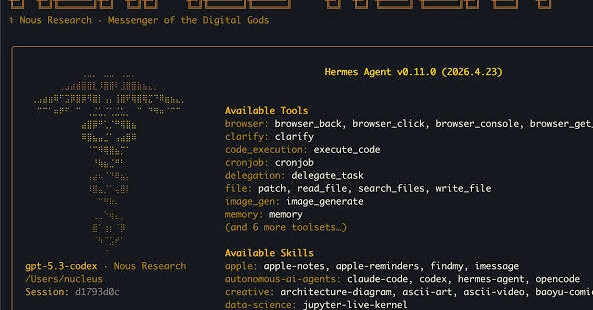
Comparing AI Agent Frameworks: Hermes Agent, AutoGPT, OpenAI Agents, and CrewAI in 2026
A practical, engineering-focused comparison of major AI agent frameworks in 2026, including Hermes Agent, AutoGPT, OpenAI Agents, and CrewAI
 cstu.io·1d ago
openrsync: A BSD-Licensed Implementation of rsync for OpenBSD and Unix Systems
This article describes openrsync, a BSD (ISC) licensed implementation of the rsync file synchronization tool. It has been merged into OpenBS
 github.com·2d ago
openrsync: A BSD-Licensed Implementation of rsync for OpenBSD and Unix Systems
This article describes openrsync, a BSD (ISC) licensed implementation of the rsync file synchronization tool. It has been merged into OpenBS
github.com·2d ago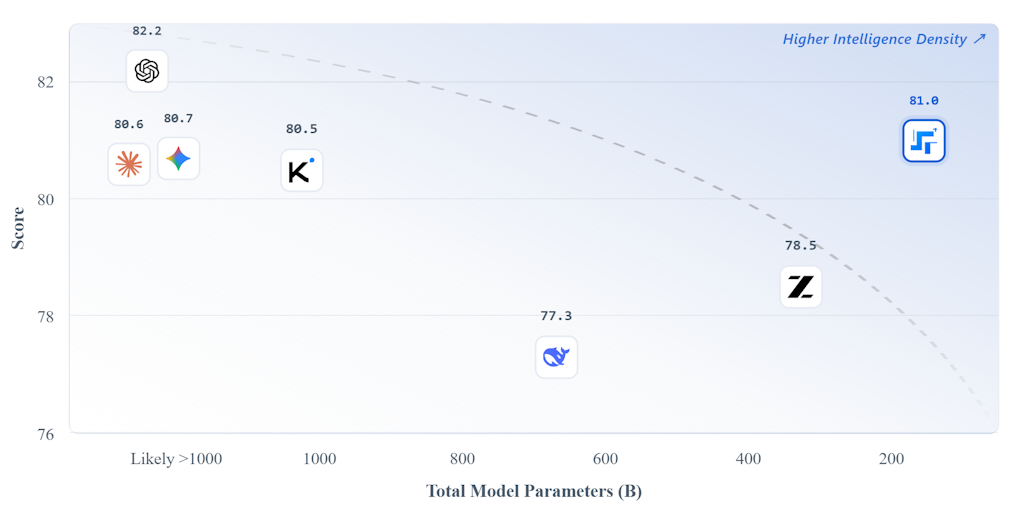
StepFun Releases Step 3.5 Flash: 196B Sparse MoE Model for OpenClaw Agents
StepFun has released Step 3.5 Flash, a 196B sparse Mixture of Experts (MoE) model that activates only 11B parameters per token for high effi
 Product Hunt·2d ago
LibreOffice Board Outlines Web and Mobile Strategy While Maintaining Desktop Focus
The Document Foundation (TDF) held meetings in April and May 2024 to discuss the future strategy for LibreOffice across desktop, mobile, and
 blog.documentfoundation.org·4d ago