





















JSIR: A High-Level Intermediate Representation for JavaScript Built on MLIR
By
nnx

Crackles when you bite it. Shows the baker did the work.
Summary
This RFC (Request for Comments) introduces JSIR, a new high-level Intermediate Representation (IR) for JavaScript built on MLIR (Multi-Level Intermediate Representation). JSIR is designed to preserve all information from the Abstract Syntax Tree (AST) and support high-fidelity round-trip conversion between source code, AST, and JSIR. The IR uses MLIR regions to represent control flow structures, making it suitable for JavaScript compiler and toolchain development within the LLVM ecosystem.
Key quotes
· 3 pulledJSIR preserves all information from the AST and supports high-fidelity round-trip between source ↔ AST ↔ JSIR
JSIR uses MLIR regions to represent control flow
This RFC introduces JSIR, a high-level IR for JavaScript
You might also wanna read

Bun v1.3.9 Release: Parallel Script Execution and Performance Improvements
Bun v1.3.9 introduces significant improvements to the JavaScript runtime, including new features for running multiple package.json scripts c
 bun.com·3mo ago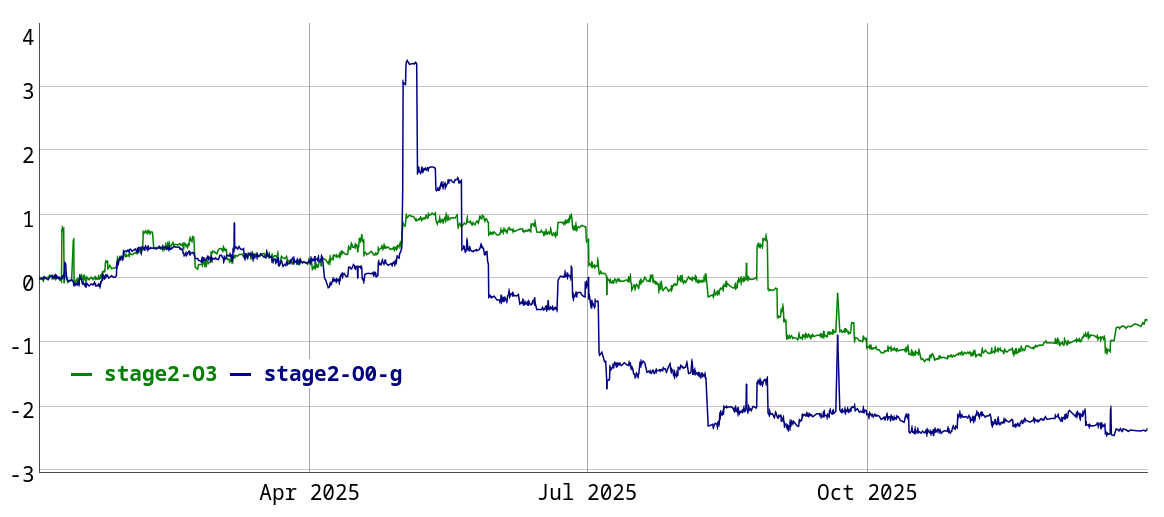
LLVM Compiler Infrastructure: 2025 Technical Summary and ptradd Migration Progress
This article is a yearly technical summary from a LLVM compiler contributor covering their work in 2025. The author discusses progress on mi
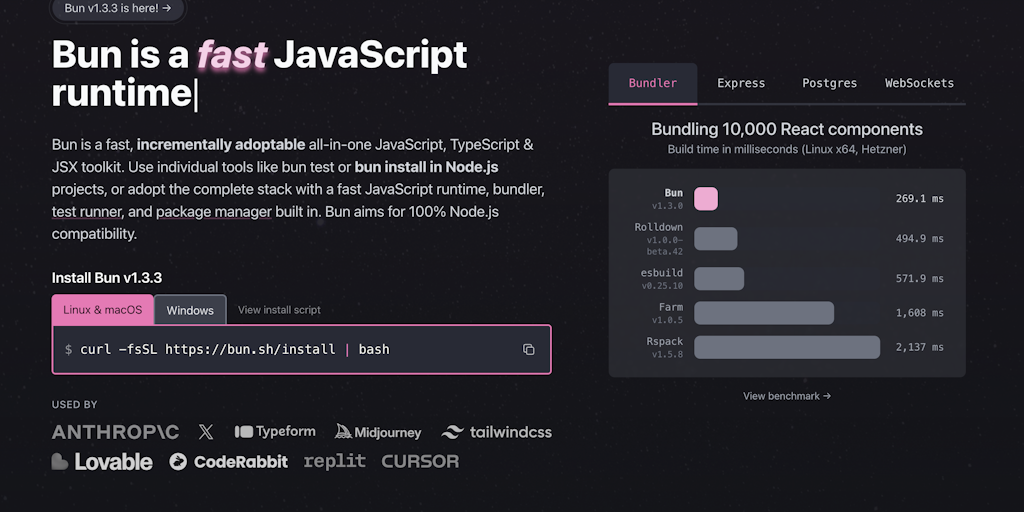
Bun: A New JavaScript Runtime with Built-in Development Tools
Bun is a new JavaScript runtime that serves as an alternative to Node.js, featuring built-in tools including a native bundler, transpiler, t
 Product Hunt·5mo ago
LLVM-MOS: Modern Compiler Toolchain for 8-bit MOS 6502 Systems and Retro Computing
LLVM-MOS is an open-source fork of LLVM that provides a compiler toolchain for 8-bit MOS 6502-based systems like the Commodore 64, NES, Atar
GCC Steering Committee Approves Experimental Algol 68 Front End Inclusion
The GCC Steering Committee has approved the inclusion of an Algol 68 Front End in the GCC compiler trunk as an experimental feature, with sp

Clang AST Optimizations Reduce Compile Times for C++ Codebases
This technical article details structural optimizations made to Clang's Abstract Syntax Tree (AST) representation to improve compile-time pe
 cppalliance.org·6mo ago