





















Building an Accessibility Culture Through Habits, Not Mandates
By
[email protected] (Daniel Devesa Derksen-Staats)

Fresh out the oven, still warm. Top of the tray.
Summary
Dani, an accessibility engineer, shares a personal journey of facing potential job redundancy and using that moment of crisis to reflect on how to build an accessibility culture through small, consistent habits rather than top-down mandates. The article emphasizes that fostering accessibility is about cultural change driven by daily practices, not just policies or checklists.
Key quotes
· 3 pulledWhat did I do well? What could I have done better? What did I learn?
Building an accessibility culture isn't easy, and there's no clear playbook.
Small, consistent habits made a big difference.
You might also wanna read

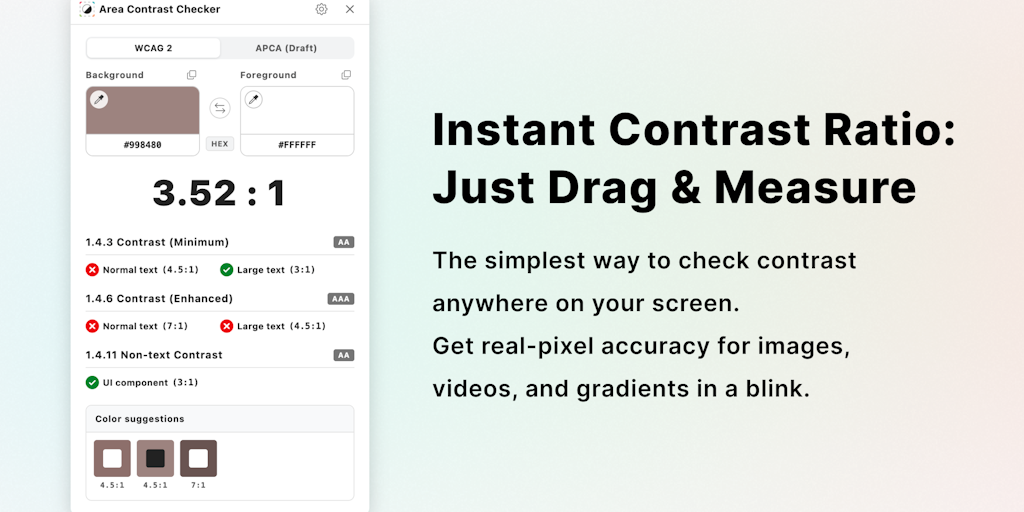
Area Contrast Checker: A Chrome extension for selection-based accessibility contrast analysis
The article introduces Area Contrast Checker, a Chrome extension that offers a "4th approach" to accessibility contrast checking. Unlike tra
 Product Hunt·17d ago
Building Accessible and Stable Streaming UIs: Layout Shifts, States, and ARIA Considerations
This article from Smashing Magazine explores the complexities of designing user interfaces for streaming content. It covers critical conside
 Smashing Magazine·1mo ago
Building Accessible and Stable User Interfaces for Streaming Content
This article from Smashing Magazine explores the complexities of designing user interfaces for streaming content. It covers critical conside
Smashing Magazine·1mo ago
Using Figma Variables to Test Font Scaling for Accessibility in Design Workflows
The article discusses how Figma variables can be used to integrate accessibility testing for font scaling directly into design workflows, ma
Smashing Magazine·2mo ago
GitHub Uses AI to Automate Accessibility Feedback Triage and Resolution
GitHub has implemented an AI-powered system to handle accessibility feedback that previously had no clear ownership. Since accessibility iss
 GitHub·2mo ago
Accessibility Features Are Widely Used Beyond Traditional Disability Contexts
The article challenges the common misconception that accessibility features are only for people with permanent disabilities. It argues that
 protovate.com·2mo ago