





















Lawmakers spread false claims about Frito-Lay rejecting solar-farm potatoes, fueling anti-renewable misinformation
By
Austyn Gaffney

Hand-rolled, kettle-boiled, baked to perfection. Worth every minute at the bakery.
Summary
This article debunks a false claim spreading among lawmakers in Michigan and Pennsylvania that Frito-Lay refuses to buy potatoes grown on land previously used for solar installations. The company has explicitly denied this policy. The piece examines how misinformation about solar farms is being weaponized by politicians to fuel opposition to renewable energy projects, potentially harming farmers' livelihoods. It highlights the broader pattern of anti-solar disinformation that conflates legitimate agricultural concerns with fabricated claims, and explores the real tensions between solar development and farmland preservation.
Key quotes
· 3 pulledIs Frito-Lay categorically refusing to buy potatoes grown on farmland that has hosted solar installations? No, the company says.
That hasn't stopped lawmakers in Michigan and Pennsylvania from spreading the false claim about one of the biggest purchasers of potatoes in the country.
Misinformation that fuels opposition to energy installations can actually hurt farmers' livelihoods.
You might also wanna read

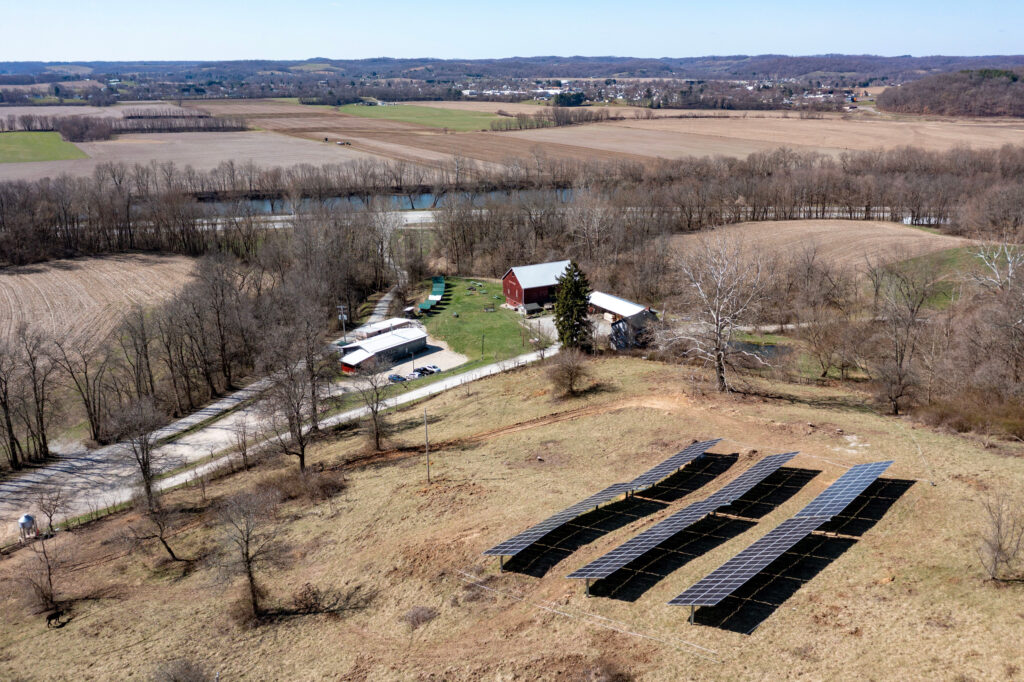
USDA Ends Funding for Wind and Solar Energy Projects on Farmland
The U.S. Department of Agriculture announced it will stop funding wind and solar energy projects on American farmland, continuing the Trump
 insideclimatenews.org·9mo ago
Denmark's Political Backlash Against Solar Energy Expansion in Rural Areas
The article examines Denmark's surprising political backlash against solar energy expansion despite being the world's most climate-ambitious
 theguardian.com·1mo ago
Public Lands Sell-Off Is Struck from the GOP Policy Bill
Biofuels Policy, a Mainstay of American Agriculture, a Failure for the Climate
Bribe or community benefit? Sweeteners for renewables need to be done right
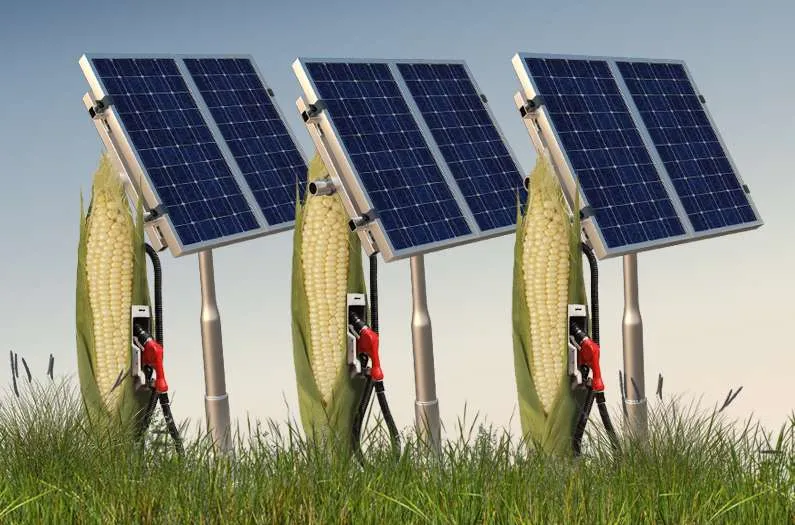
Study Compares Efficiency: Solar Panels vs Corn Ethanol for Energy Production
A new study published in PNAS examines the efficiency comparison between using farmland for corn ethanol production versus solar energy. Res
 anthropocenemagazine.org·1mo ago