





















Hands-on review: Testing every major IP KVM device for homelab use
By
vquemener

Front-window bakery material. Catches the eye, delivers the goods.
Summary
A comprehensive review and comparison of IP KVM (Keyboard, Video, Mouse) devices for homelab use, focusing on the PiKVM and its competitors. The article explains what IP KVMs are good for, particularly in scenarios where remote desktop software isn't suitable (e.g., benchmarking, BIOS-level access, troubleshooting headless servers), and shares hands-on testing experiences across multiple devices.
Key quotes
· 3 pulledSince the PiKVM came out in 2017, there's been an explosion of IP KVMs.
There are situations where you don't want to have remote control software running on the computer.
When I'm benchmarking remotely, I don't want scree
You might also wanna read


How to Run Windows on a Raspberry Pi Using Botspot VM
This article discusses a new method for running Windows on a Raspberry Pi using Botspot VM, which virtualizes a Windows ARM instance within
 raspberrytips.com·4h ago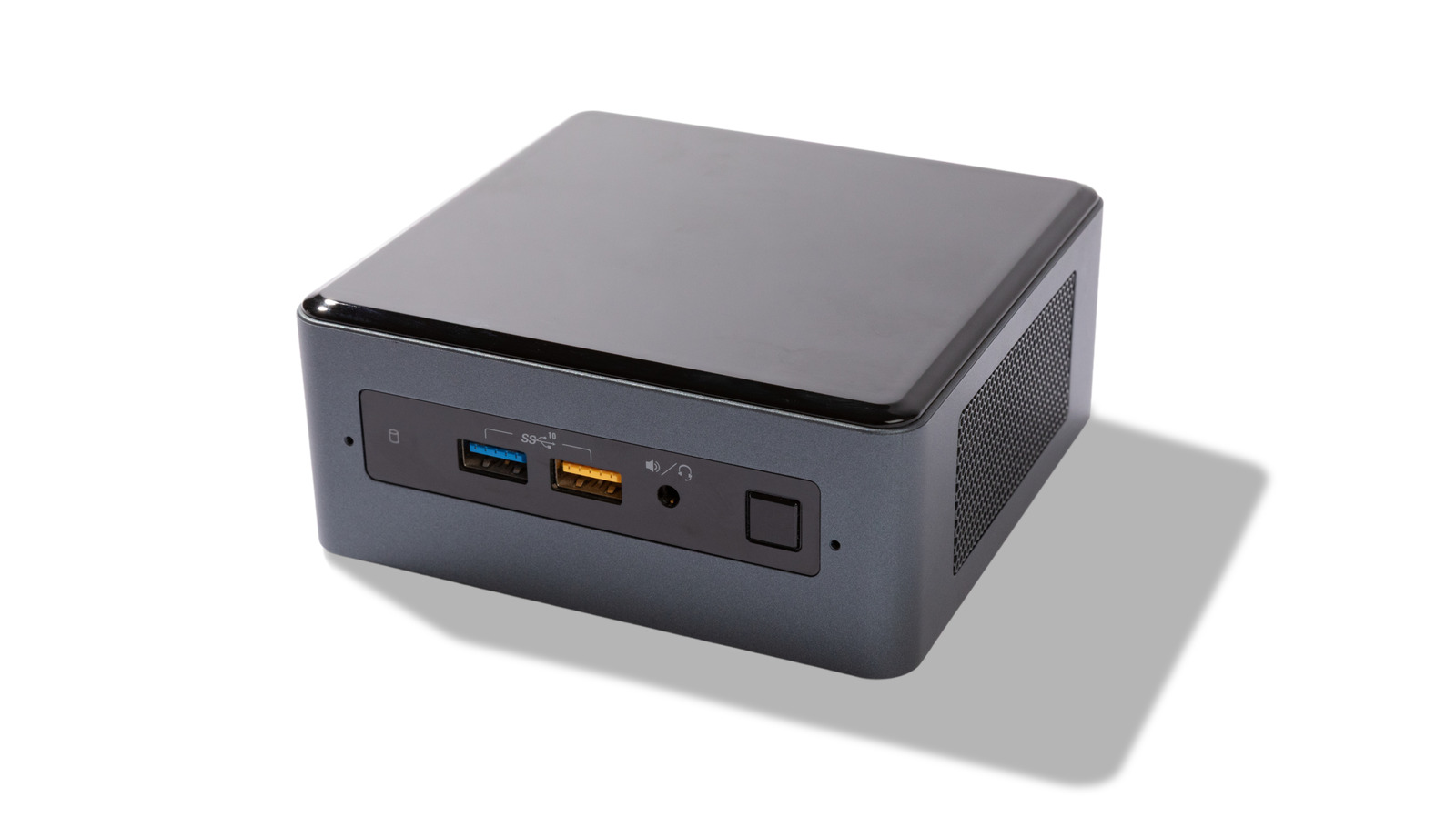
4 Raspberry Pi Projects Where a Cheap Mini PC Is a Better Alternative
This article argues that for certain DIY projects commonly associated with Raspberry Pi, a cheap mini PC is actually a better choice. It cov
 slashgear.com·2d ago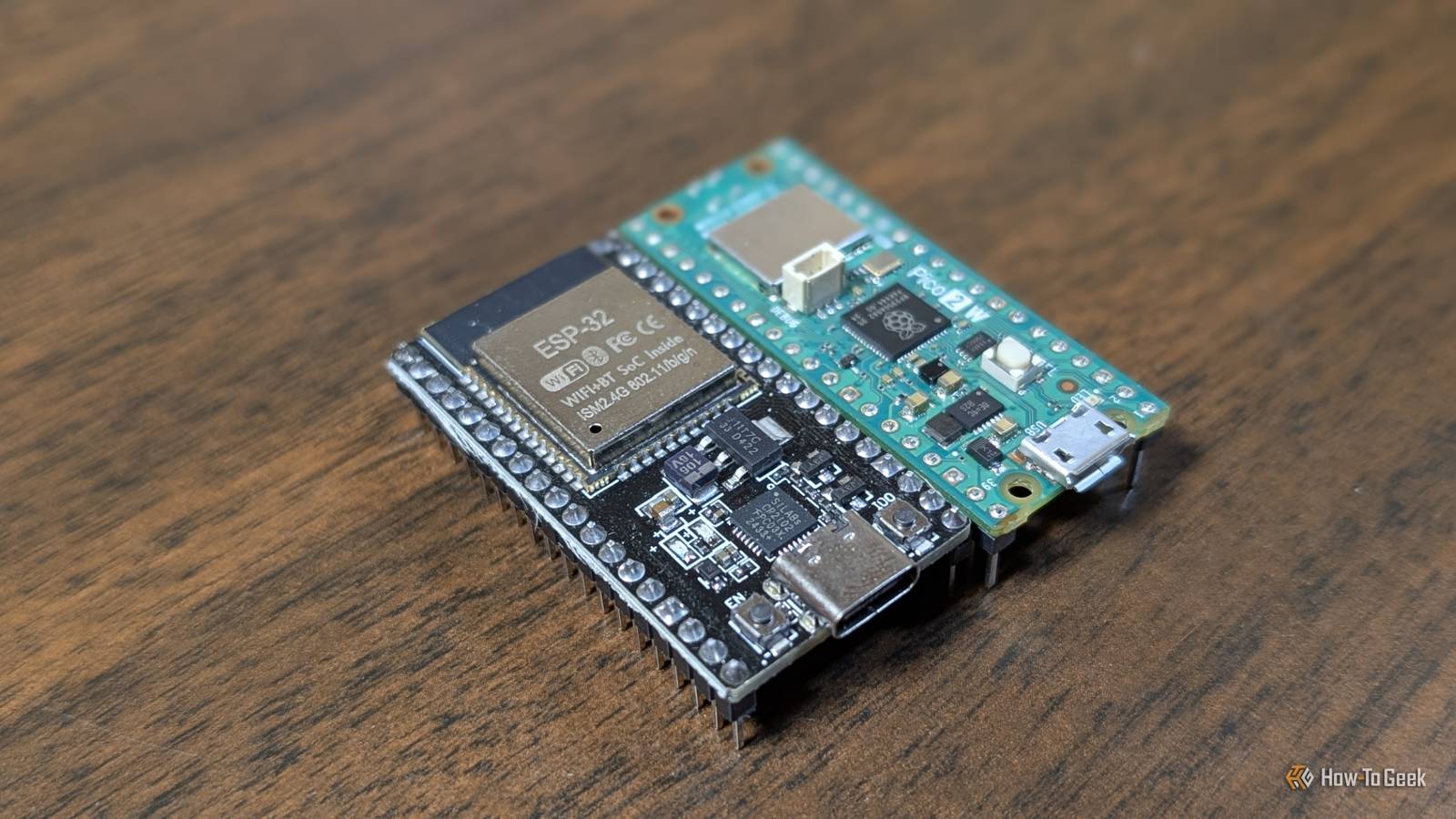
ESP32 boards increasingly replace Raspberry Pi for wireless IoT projects
This article compares ESP32 boards and Raspberry Pi for wireless projects, arguing that ESP32 boards are increasingly replacing Raspberry Pi
 ift.tt·11d ago
GL.iNet Comet Q USB-C KVM Device Enables Remote Control of Smartphones, Tablets, and Laptops
The GL.iNet Comet Q (GL-RMQ1) is a USB-C KVM device that allows remote control of smartphones, tablets, and laptops through a single USB-C c
 cnx-software.com·10d ago
VVTerm: Ghostty-Powered SSH Client for iOS, iPad, and macOS
VVTerm is a Ghostty-powered SSH client for Apple devices (iOS, iPad, macOS) that provides secure server access with features including iClou
 Product Hunt·4mo ago
Raspberry Pi Can Run AI Assistants Like OpenClaw, But Needs Cloud LLM for Practical Use
A Raspberry Pi can run an AI assistant like OpenClaw, but it is only practical when paired with a cloud-based LLM. Running it fully locally
raspberrytips.com·14d ago