





















Humanity's 10-Million-Year Evolutionary Relationship with Alcohol and the Potential for Technological Sobriety
By
andsoitis

There's a fresh bagel in here somewhere. We couldn't find it.
Summary
The article explores humanity's long evolutionary relationship with alcohol, tracing it back 10 million years, and suggests that modern technology may lead to a future where we move away from alcohol consumption. It describes the immediate physiological effects of alcohol and positions civilization as having been built on alcohol, while hinting at technological solutions that could 'sober us up.'
Key quotes
· 4 pulledWhether it is champagne fizzing on the tongue, a hoppy beer coating the palate, or a plummy wine staining the lips, alcohol announces itself instantly.
First there is a faint burning sensation, a little chemical spark, as the thin mouth membranes absorb a drop.
If the stomach is empty, the booze starts to pass into the bloodstream within minutes—and then reaches almost every cell and tissue in the body.
Civilisation was built on alcohol. Technology may sober us up.
You might also wanna read


Study suggests Neanderthals may have practiced primitive dentistry 59,000 years ago
A new study published in PLOS One suggests that Neanderthals may have practiced primitive dentistry. Researchers analyzed a 59,000-year-old
 Defector·16d ago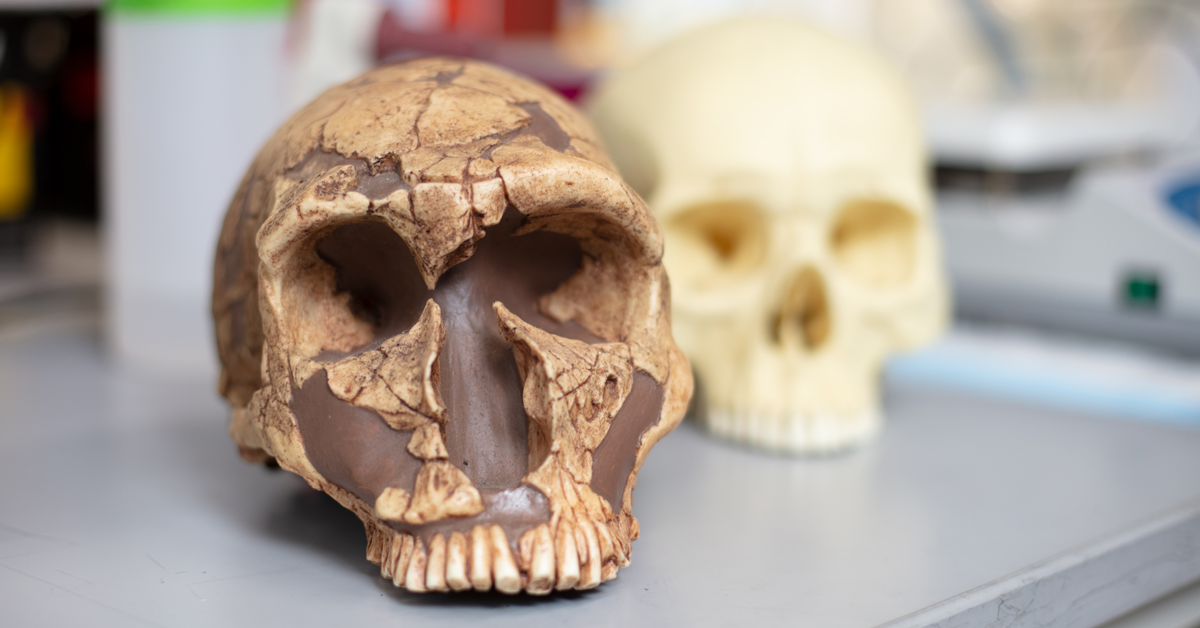
Lead Exposure May Have Limited Brain Development in Neanderthals, Study Finds
A new study from UC San Diego researchers reveals that Neanderthals and other extinct hominids had high levels of lead exposure, which may h

Genomic test trial suggests hormone therapy alone may be sufficient for low-risk breast cancer patients
A groundbreaking genomic test trial suggests that breast cancer patients with low test scores could be treated with hormone therapy alone, a
 apple.news·3h ago
The Evolutionary Origins and Adaptive Functions of Autosexual Behavior in Birds
This article explores the evolutionary origins and adaptive functions of masturbation (autosexual behavior) in birds and other animals. It e
 onlinelibrary.wiley.com·3h ago
Study finds bird masturbation is natural behavior, not caused by captivity stress
A study on masturbation among birds, particularly parrots, finds that the behavior is natural and more common in the wild than in captivity.
 theguardian.com·3h ago
Experimental pill daraxonrasib extends survival in advanced pancreatic cancer patients, study finds
Researchers reported that daraxonrasib, a novel experimental pill, helped patients with advanced pancreatic cancer live longer by blocking a
 npr.org·3h ago