





















Long-read sequencing reveals structural variants are enriched in visible Drosophila phenotypes
By
Mahul Chakraborty

Not artisan, but a perfectly fine bagel. Hits the spot.
Summary
This study investigates the role of genome structural variants (SVs) in classical visible phenotypes of Drosophila melanogaster. Using Oxford Nanopore Technologies long-read sequencing, researchers created highly contiguous de novo genome assemblies for 11 strains and constructed a pangenome graph with nucleotide-resolution SV maps. They analyzed 50 classical phenotypes and uncovered new candidate causal mutations for 15 phenotypes, including tandem duplications, transposable element insertions, and indels. Key findings include linking the wing vein phenotype plexus (px1) to a 1.5 kb partial tandem gene duplication, and the Curved (c1) wing phenotype to a 7.5 kb DM412 retrotransposon disrupting the muscle protein gene Strn-Mlck. The study found that 67.4% of genes causing phenotypic changes harbor candidate SVs >100 bp, compared to an expected 28%, indicating SVs are strongly enriched among large-effect, deleterious visible phenotypes in Drosophila.
Key quotes
· 5 pulledGenome structural variants (SVs) comprise a sizable portion of functionally important genetic variation; yet, many evade discovery using short reads.
We uncover new candidate causal mutations for 15 phenotypes and new molecular alleles for 2 mutations comprising tandem duplications, transposable element (TE) insertions, and indels.
Overall, 67.4% of genes causing phenotypic changes harbor candidate SVs >100 bp, whereas only 28% are expected based on euchromatic SVs.
Together, our results indicate that SVs are strongly enriched among this class of large-effect, deleterious visible phenotypes in Drosophila.
We also unveil 8 SV alleles of previously identified causal genes, including uncharacterized SVs underlying the extensively studied white and yellow phenotypes.
You might also wanna read

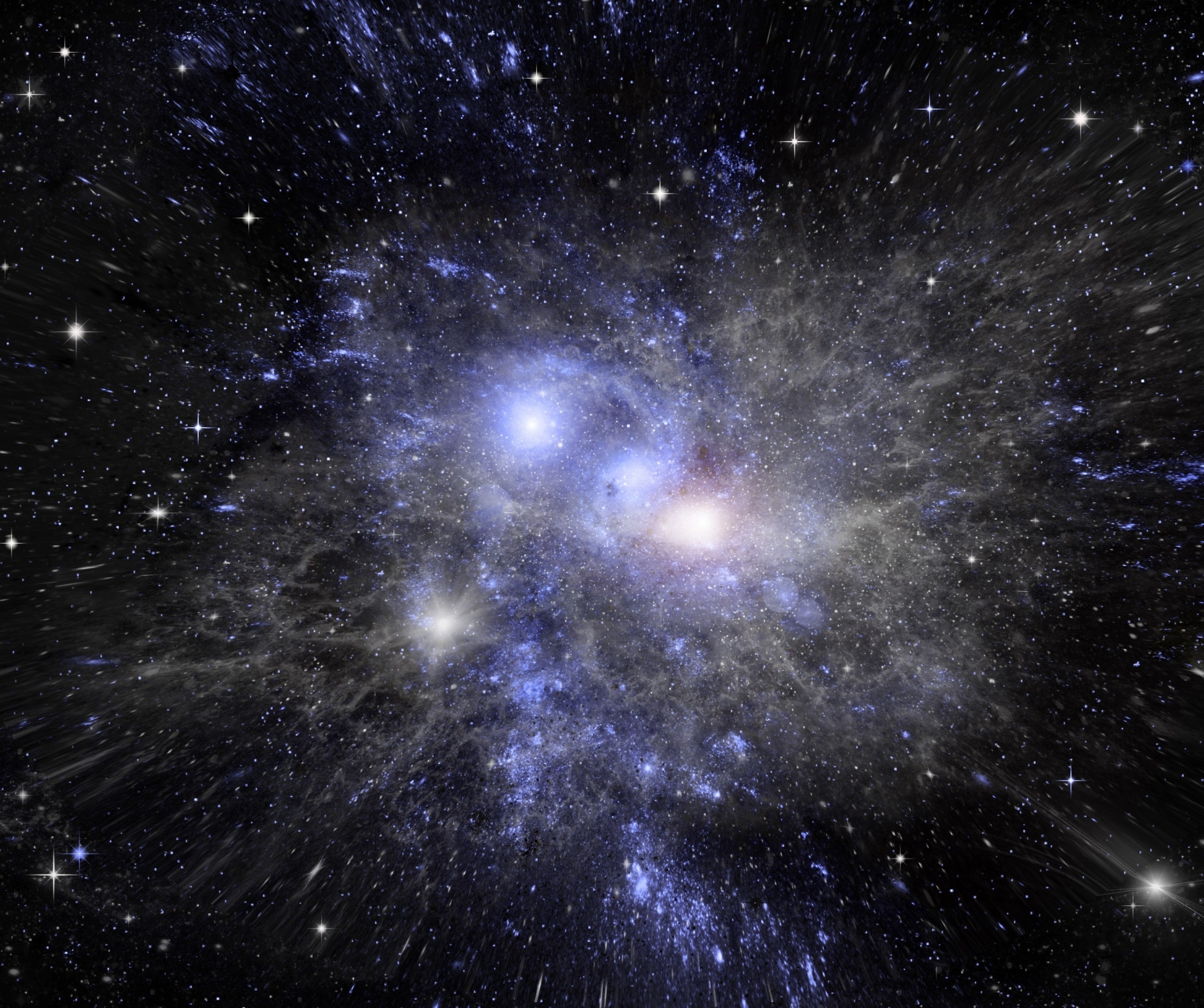
Mathematicians challenge dark energy model, suggesting cosmic acceleration may arise naturally from Einstein's equations
A team of mathematicians challenges the long-standing dark energy model, arguing that the model it was designed to rescue was never mathemat
 earth.com·2h ago
Massachusetts invests $25M in MIT's new Quantum Systems Laboratory for quantum computing research
MIT is launching a Quantum Systems Laboratory in Cambridge, backed by a $25 million state investment from Massachusetts. The facility aims t
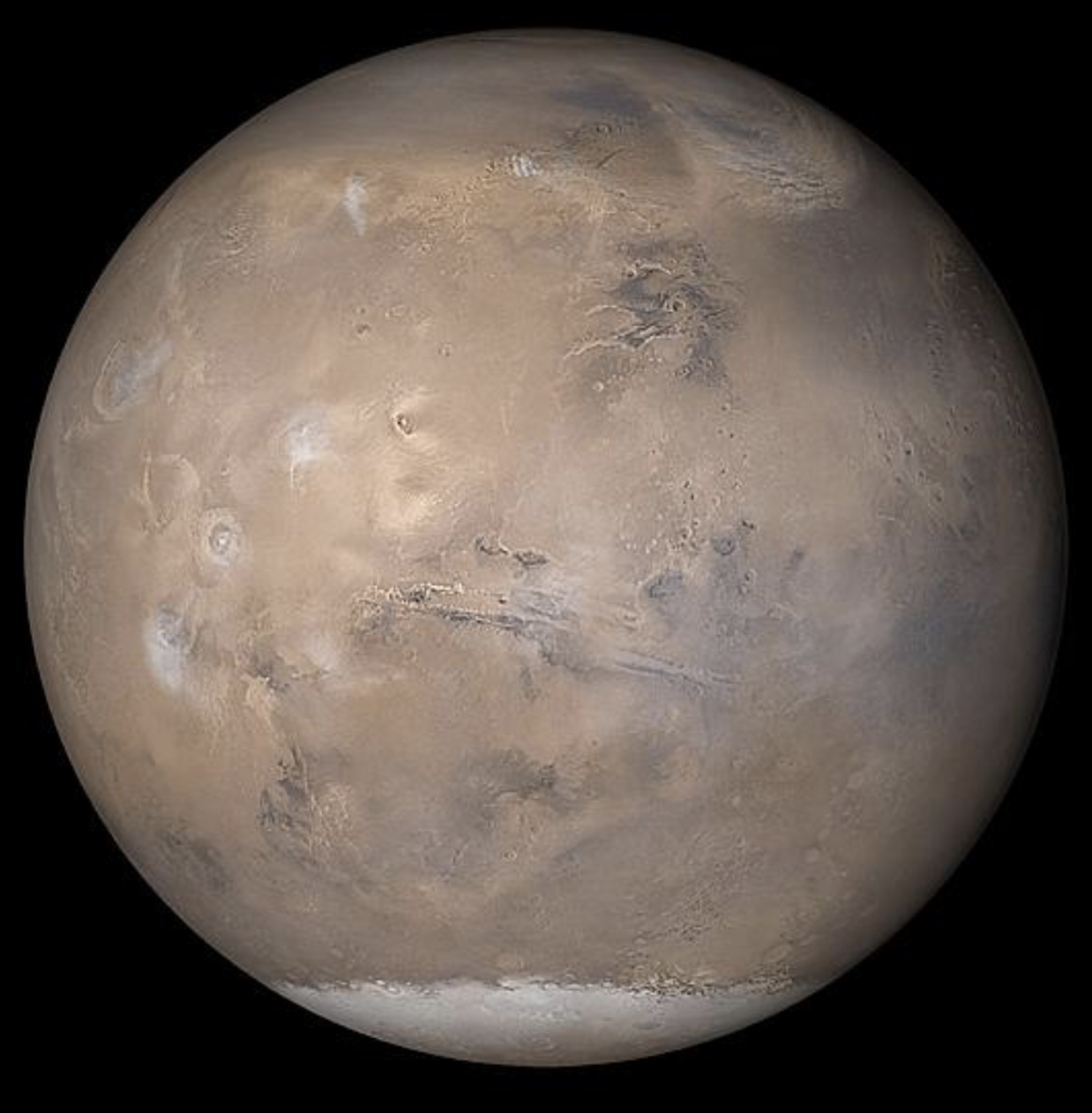
Viewing Mars as an Exoplanet: Lessons for Detecting Habitability from Afar
This scientific article explores what we could learn about Mars if we viewed it as an exoplanet—a distant world orbiting another star. The a
 astrobites.org·4h ago
2026 Peer Review Report Challenges Crisis Narrative, Calls for Evidence-Based Assessment
The 2026 Future of Peer Review Report challenges the prevailing narrative that peer review is in crisis. Based on eight years of ScholarOne
 silverchair.com·5h ago
Pedro Duque, Spain's first astronaut, reflects on his journey from childhood dreams to space and analyzes the Artemis II mission
Profile and interview with Pedro Duque, Spain's first astronaut, who recounts his journey from watching the 1969 Moon landing as a child in
 20minutos.es·8h ago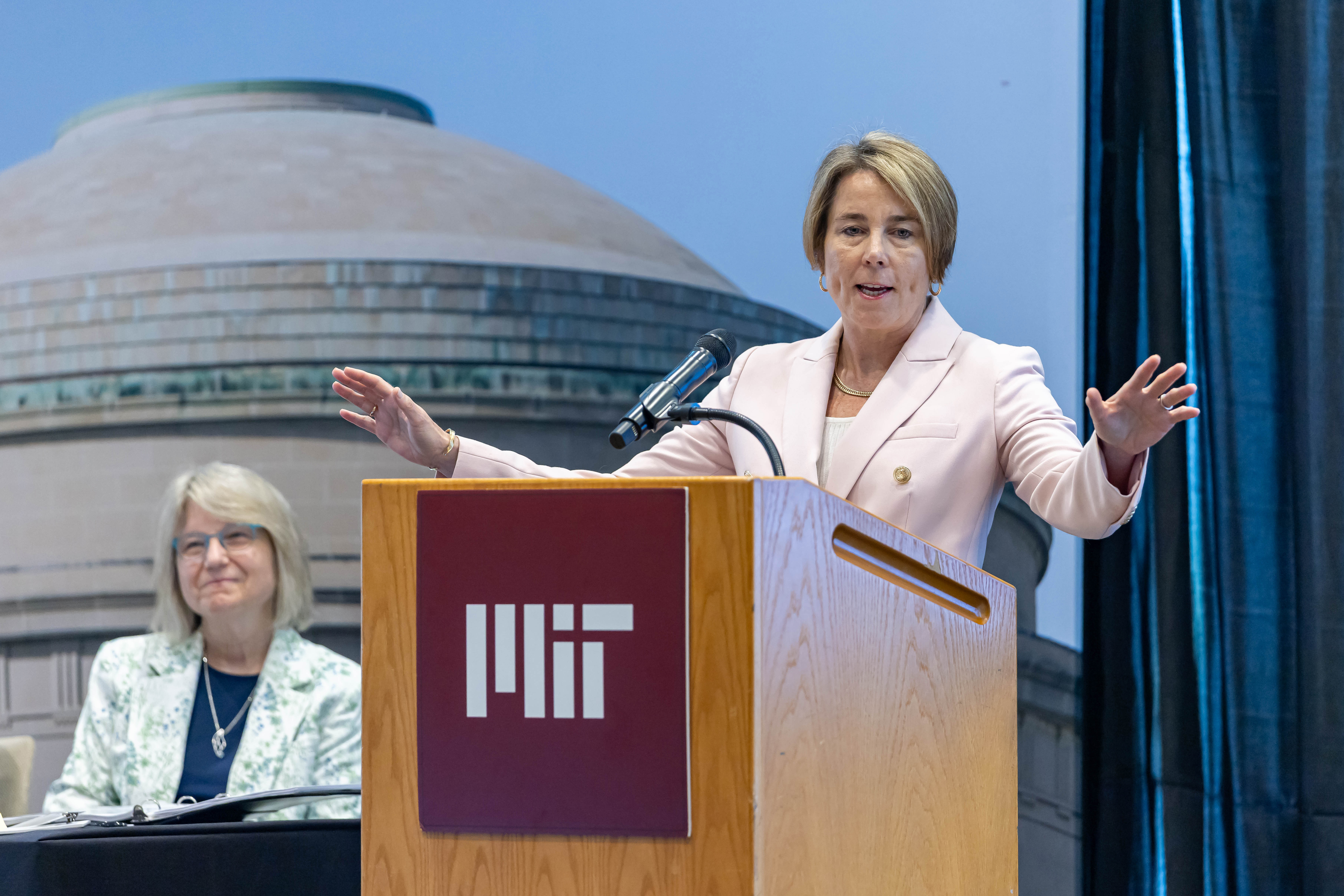
MIT and Massachusetts announce Quantum Systems Laboratory to advance quantum technology
MIT President Sally Kornbluth and Massachusetts Governor Maura Healey announced plans for the Quantum Systems Laboratory (QSL) at MIT, a sha
 news.mit.edu·10h ago