





















Neighbor-Joining algorithm with theoretical guarantees improves CRISPR-Cas9 lineage tracing tree reconstruction
By
Nir Yosef

If you only eat one bagel today, this is the bagel.
Summary
This paper presents a theoretical analysis of tree reconstruction from CRISPR-Cas9 lineage tracing data using Neighbor-Joining (NJ) algorithms. The authors develop a moment-matched distance estimation method and prove reconstruction guarantees even when model parameters are unknown and data is missing—a first for CRISPR-Cas9 lineage tracing. They demonstrate improved performance over traditional NJ approaches on both simulated data and real data from a mouse model of lung cancer.
Key quotes
· 4 pulledWe develop a series of tools to analyze this algorithm and prove its theoretical guarantees.
When the parameters of the data generating process are known and there is no missing data, our results align with established results from common evolutionary models, such as Cavender-Farris-Neyman and Jukes-Cantor.
We develop new theory that shows for the first time that it is still possible to obtain reconstruction guarantees in the CRISPR-Cas9 case and in other models of evolution.
Empirically, we show on both simulated lineage tracing data and on real data from a mouse model of lung cancer the improved performance of our method as compared to the traditional use of NJ.
You might also wanna read

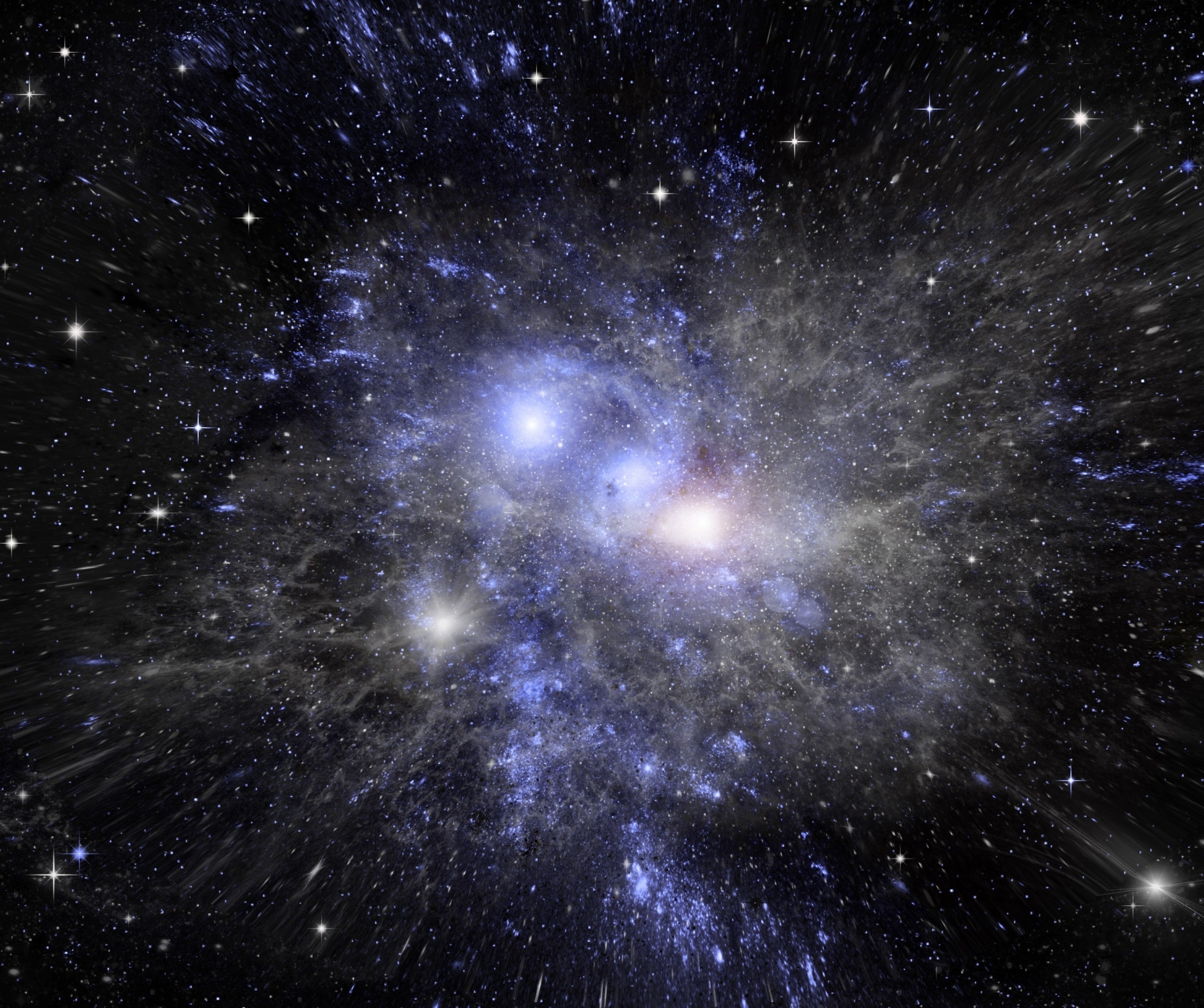
Mathematicians challenge dark energy model, suggesting cosmic acceleration may arise naturally from Einstein's equations
A team of mathematicians challenges the long-standing dark energy model, arguing that the model it was designed to rescue was never mathemat
 earth.com·3h ago
Massachusetts invests $25M in MIT's new Quantum Systems Laboratory for quantum computing research
MIT is launching a Quantum Systems Laboratory in Cambridge, backed by a $25 million state investment from Massachusetts. The facility aims t

Viewing Mars as an Exoplanet: Lessons for Detecting Habitability from Afar
This scientific article explores what we could learn about Mars if we viewed it as an exoplanet—a distant world orbiting another star. The a
 astrobites.org·4h ago
2026 Peer Review Report Challenges Crisis Narrative, Calls for Evidence-Based Assessment
The 2026 Future of Peer Review Report challenges the prevailing narrative that peer review is in crisis. Based on eight years of ScholarOne
 silverchair.com·5h ago
Pedro Duque, Spain's first astronaut, reflects on his journey from childhood dreams to space and analyzes the Artemis II mission
Profile and interview with Pedro Duque, Spain's first astronaut, who recounts his journey from watching the 1969 Moon landing as a child in
 20minutos.es·8h ago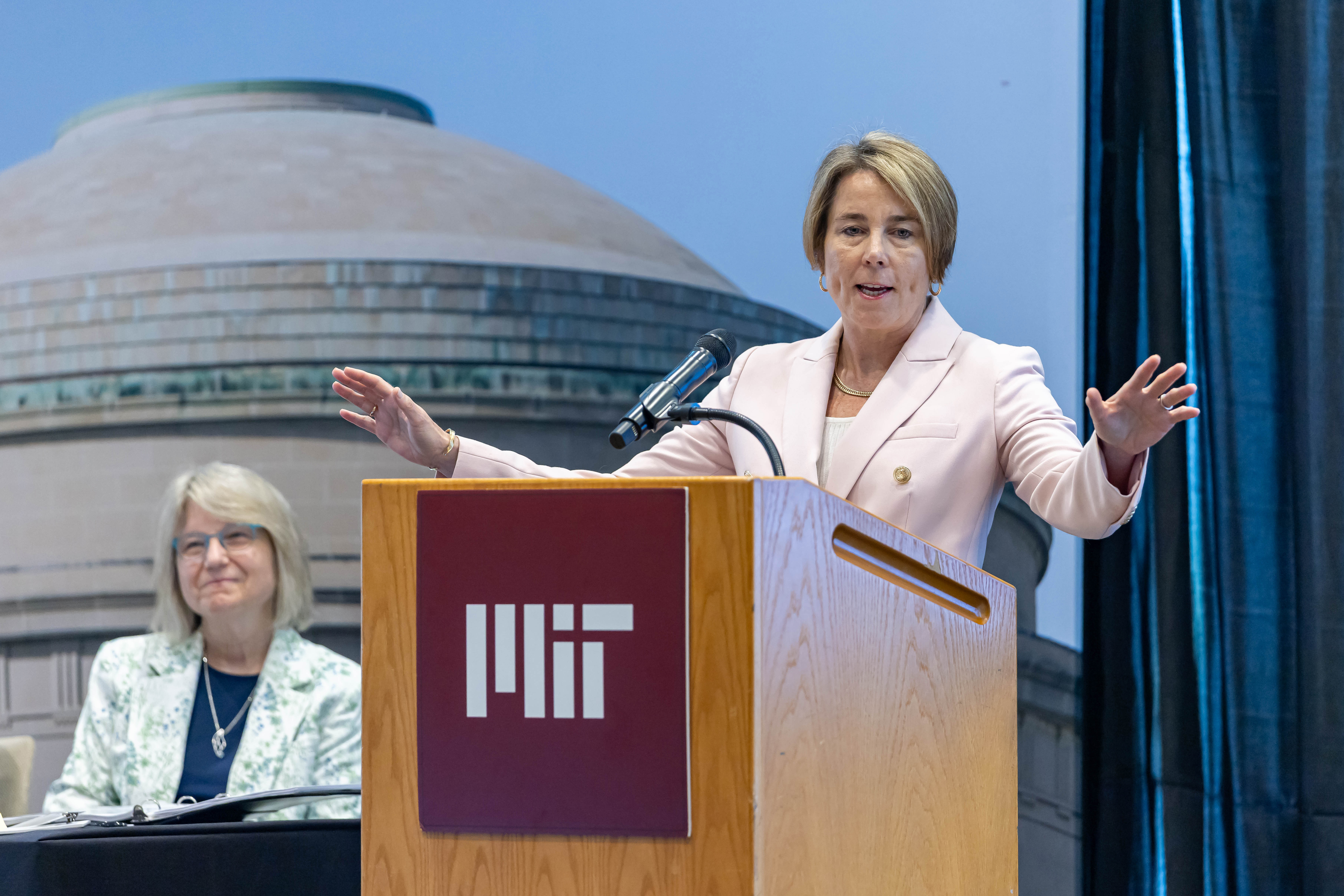
MIT and Massachusetts announce Quantum Systems Laboratory to advance quantum technology
MIT President Sally Kornbluth and Massachusetts Governor Maura Healey announced plans for the Quantum Systems Laboratory (QSL) at MIT, a sha
 news.mit.edu·10h ago