





















How turnpike trusts solved Britain's road crisis in the 17th and 18th centuries
By
hhs

The bagel they save for the regulars. Don't skim, savour.
Summary
This article discusses the historical problem of poor road conditions in late 17th century England, focusing on how turnpike trusts were established through Acts of Parliament to address the funding and maintenance issues that local parishes could not solve. It highlights the dangerous state of roads through Celia Fiennes' account and explains the creation of the first turnpike trust in 1663 as a solution to Britain's infrastructure problems during the Industrial Revolution era.
Key quotes
· 1 pulledthe road was so full of holes and quicksands, I durst not venture, the water covering them over, a stranger then cannot easily escape the danger
You might also wanna read

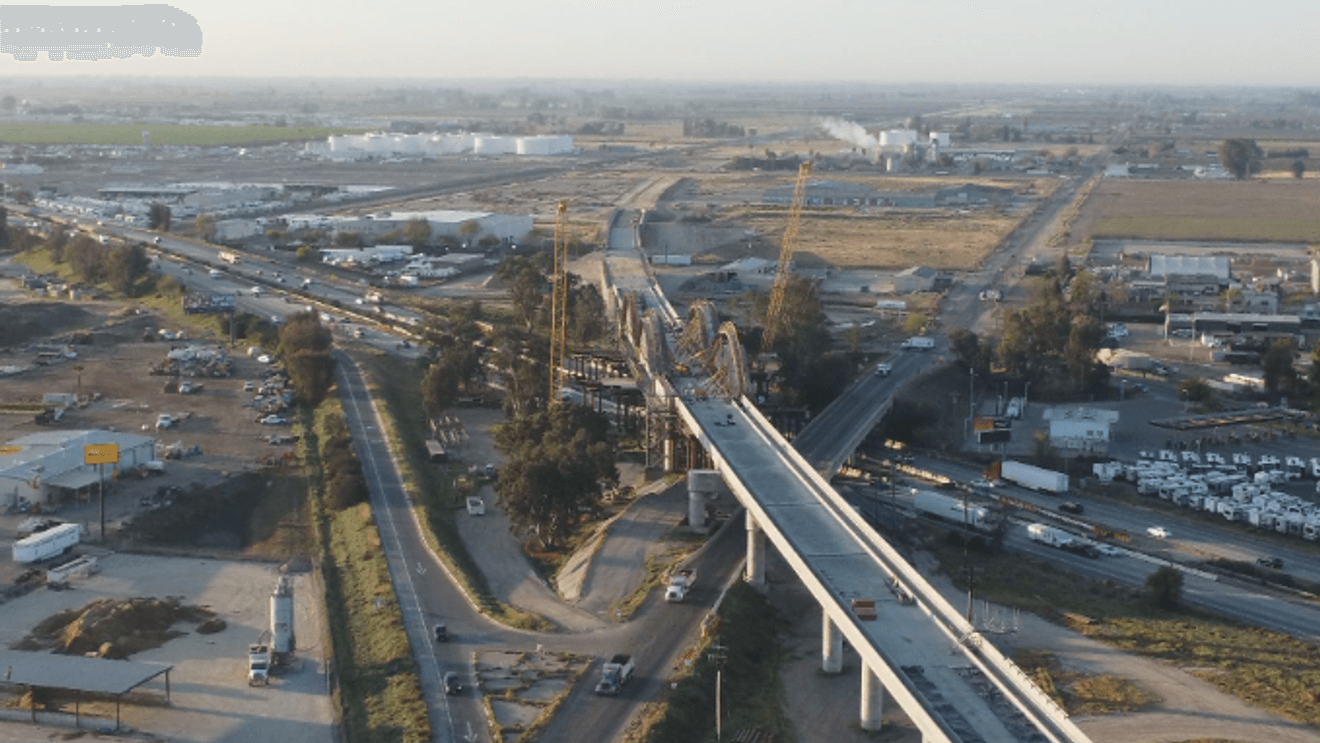
California high-speed rail cost estimate surges to $231 billion, seven times original projection
California's high-speed rail project has seen its estimated cost skyrocket to $231 billion, nearly seven times the original $33 billion proj
 kmph.com·1mo ago
Japan's Railway Success: How Private Companies Built the World's Finest Rail System
This article examines why Japan has such exceptional railway systems, highlighting that Japan leads the developed world in rail usage with 2
 worksinprogress.co·1mo ago
Toronto Opens New 19-Kilometre Line 5 Eglinton Metro with 15 Underground Stations
Toronto has opened its new 19-kilometre Line 5 Eglinton metro line, featuring 15 underground stations integrated into the city's Midtown urb
 Dezeen·1mo ago
The Transavia AirTruk: An Appreciation of Australia's Unconventional Agricultural Aircraft
The article is an appreciation piece about the Transavia AirTruk, an Australian agricultural aircraft known for its unconventional and unatt
 smithsonianmag.com·2mo ago
China Develops World's Fastest Bullet Train Capable of 450km/h
China has developed a new CR450 bullet train capable of reaching 450km/h, making it the world's fastest train. This represents a significant
 executivetraveller.com·2mo ago
Optimizing Bus Transit: How Reducing Bus Stops Can Improve Efficiency and Speed
The article argues that improving bus transit efficiency in the United States requires reducing the number of bus stops rather than focusing
worksinprogress.co·3mo ago