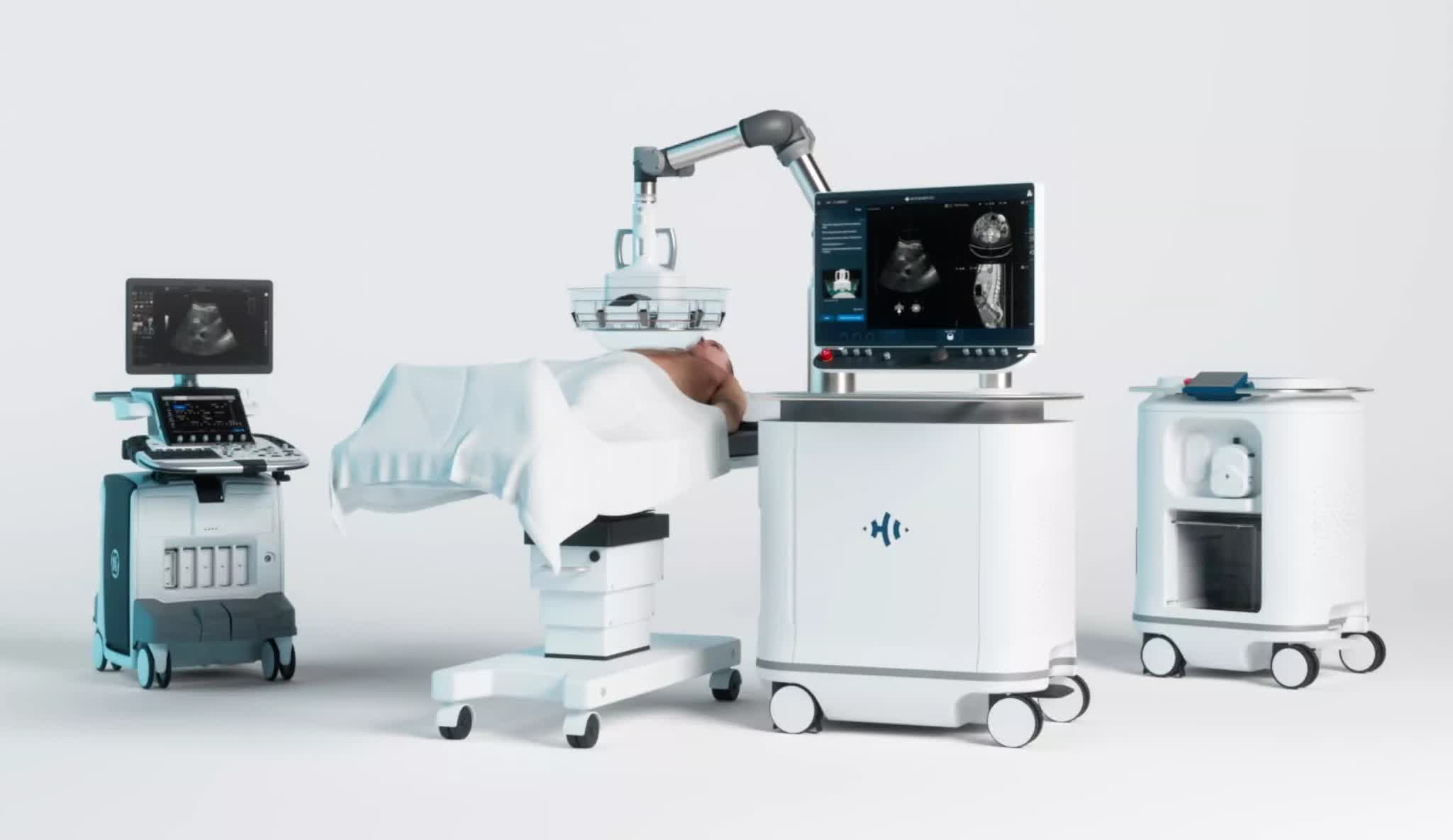
Histotripsy: Ultrasound Technology Destroys Tumors Through Cavitation
By
rbanffy
5mo ago· 5 min readenNews

100/100
Golden Brown
Bagelometer↗
A baker's-dozen of insight crammed into one ring.
Score100TypenewsSentimentpositive
Summary
HistoSonics' Edison system uses focused ultrasound to destroy tumors through a process called histotripsy. The technology creates cavitation bubbles that expand and collapse within tumors, producing mechanical stress that liquefies cancer cells without harming surrounding healthy tissue. This noninvasive approach represents a shift from viewing cavitation as an undesirable side effect to harnessing it as a therapeutic tool, with research beginning at the University of Michigan in 2001.
Key quotes
· 5 pulledHistoSonics' Edison system uses a water-filled membrane to transmit focused ultrasound into the body.
The resulting bubbles expand and collapse within the tumor, producing mechanical stress that destroys cancer cells and liquefies the tumor.
For many years, doctors and technicians who performed medical ultrasound procedures viewed bubbles with wary concern.
The phenomenon of cavitation—the formation and collapse of tiny gas bubbles due to changes in pressure—was considered an undesirable and largely uncontrollable side effect.
But in 2001, researchers at the University of Michigan began exploring how to harness cavitation for therapeutic purposes.
How does a technique called histotripsy turn tumors into a liquid slurry without harming healthy tissue? Learn about this new noninvasive cancer treatment.