





















Healthchecks.io Migrates to Self-Hosted Object Storage Infrastructure
By
zdw

Front-window bakery material. Catches the eye, delivers the goods.
Summary
Healthchecks.io, a monitoring service, has migrated from managed object storage to a self-hosted solution using Versity S3 Gateway backed by Btrfs filesystem. The service stores ping request bodies (up to 100kB) either in PostgreSQL database for small payloads or in object storage for larger ones. The article details the technical migration process, reasons for moving away from managed services, and the implementation of their self-hosted storage infrastructure.
Key quotes
· 3 pulledHealthchecks.io stores the first 100kB of the request body. If the request body is tiny, Healthchecks.io stores it in the PostgreSQL database. Otherwise, it stores it in S3-compatible object storage.
We recently migrated from a managed to a self-hosted object storage. Our S3 API is now served by Versity S3 Gateway and backed by a plain simple Btrfs filesystem.
Healthchecks.io ping endpoints accept HTTP HEAD, GET, and POST request methods. When using HTTP POST, clients can include an arbitrary payload in the request body.
You might also wanna read

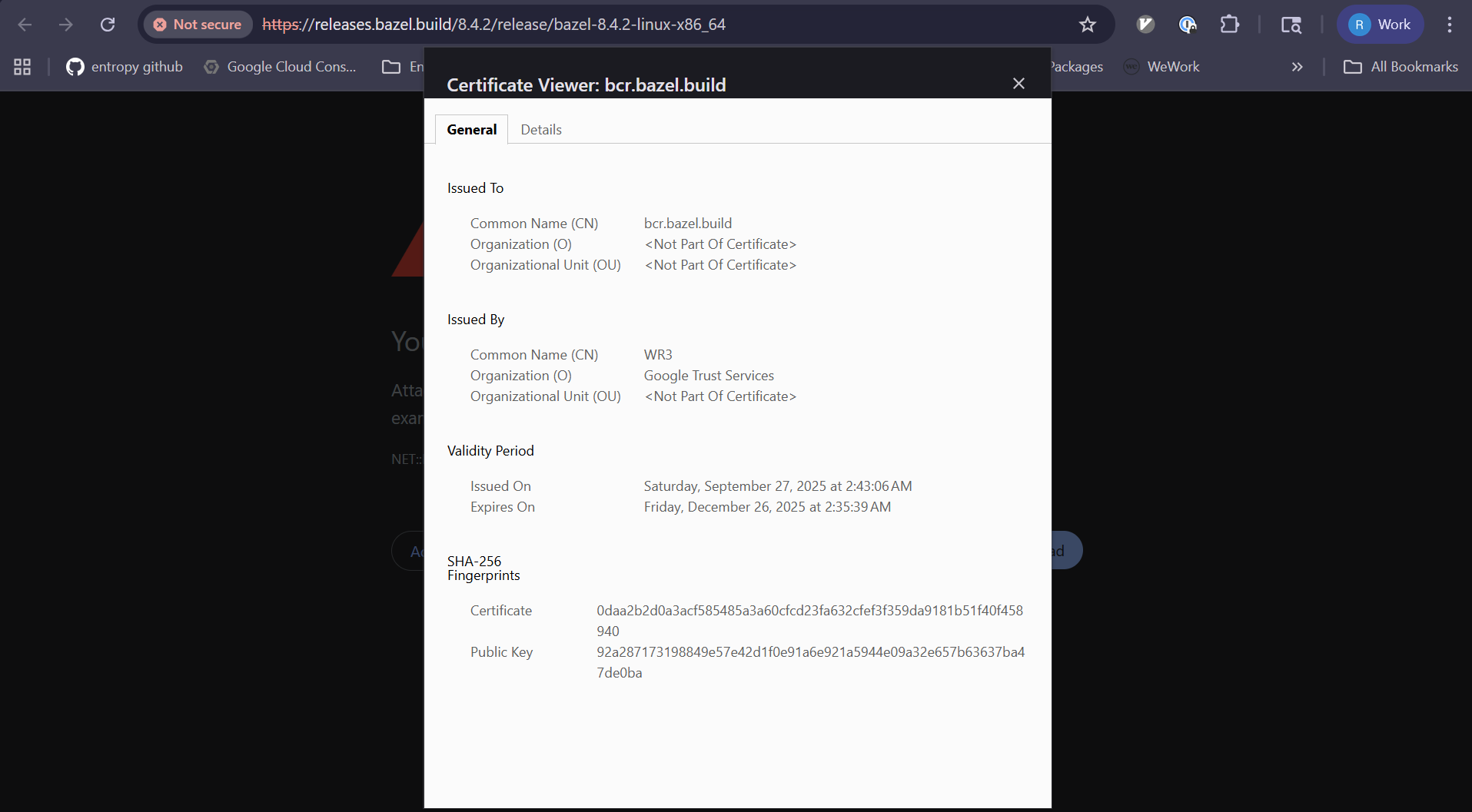
Google Bazel Team Faces Service Disruption from Expired SSL Certificate
Google's Bazel team experienced a service disruption when an SSL certificate expired for their build infrastructure domains (bcr.bazel.build
 surfingcomplexity.blog·5mo ago
How to Set Up an Apache Reverse Proxy for an Ecommerce Website
This article provides a comprehensive, start-to-finish guide on setting up an Apache reverse proxy specifically for ecommerce websites. It c
 blog.radwebhosting.com·2d ago
How to set up local git remotes using a home server
A technical guide explaining how to set up local git remotes using a home server. The author describes the process of creating a bare reposi
Why local configuration verification is critical before cloud deployment in DevOps pipelines
The article discusses the importance of verifying configuration shifts locally before deploying to cloud clusters, using the example of a co
 dev.to·2d ago
How to Install Sakai LMS on AlmaLinux VPS: A Step-by-Step Guide
This article provides a step-by-step technical guide for installing Sakai LMS (Learning Management System) on an AlmaLinux VPS. It covers th
blog.radwebhosting.com·2d ago
How to Deploy Cachet Status Page on AlmaLinux VPS: A Step-by-Step Guide
This article provides a step-by-step guide for deploying Cachet, an open-source status page system, on an AlmaLinux VPS. It covers the insta
blog.radwebhosting.com·3d ago