





















Google's goo.gl URL Shortener Shutdown and the Fight Against Link Rot
By
jszymborski

Hot, fresh, and worth queueing round the block for.
Summary
The article discusses the shutdown of Google's URL shortening service, goo.gl, reflecting on its impact and the broader issue of link rot. It references historical context, including Google's launch of the service in 2009 and its eventual discontinuation, alongside a literary quote to emphasize the theme of decay and obsolescence.
Key quotes
· 2 pulled"… all of this ended up in storage rooms, and everything became rotten and full of holes, and he himself finally turned into some kind of hole in humanity."
"Stablest, Most Secure, And Fastest URL Shortener On The Web"
You might also wanna read


Publishers Blocking Internet Archive Threaten Web History Preservation
The article discusses how major publishers like The New York Times are blocking the Internet Archive's Wayback Machine from archiving their
 eff.org·2mo ago
Call for Submissions: Early 2000s Video Game Websites and Software for Digital Archive
The article is a call for submissions to an online museum archive, specifically asking readers to share information about old video game web
 webdesignmuseum.org·4mo ago
FBI Investigation into Archive.today: Subpoena Issued for Site Operator Information
The FBI is investigating Archive.is (Archive.today), having issued a subpoena to its domain registrar for information about the site's opera
 adguard-dns.io·6mo ago
1997 Internet Outage Caused by Human Error at Network Solutions
A human error at Network Solutions Inc. on July 17, 1997 caused a major Internet outage that corrupted domain name addresses worldwide. The
Internet Archive Reaches 1 Trillion Web Pages Preserved in Wayback Machine
The Internet Archive is celebrating a major milestone of preserving 1 trillion web pages through its Wayback Machine. Since 1996, the organi
 blog.archive.org·7mo ago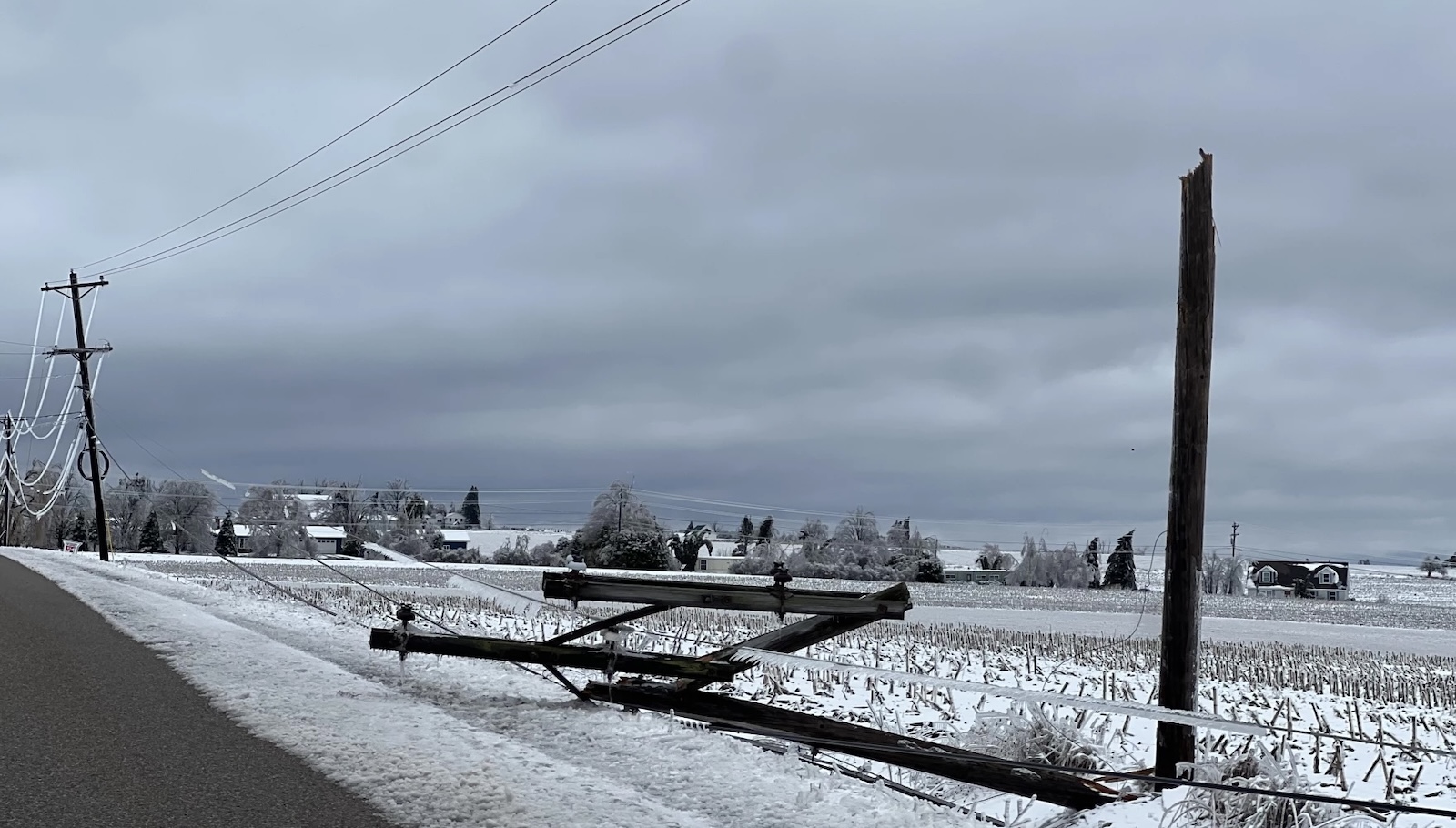
Burying power lines: An expensive but durable solution to climate-proof the aging U.S. grid
The article discusses how aging above-ground power lines across the U.S., built over 50 years ago, are increasingly vulnerable to climate ch
 grist.org·1h ago