





















Haraway's "Primate Visions" and the Call for Queer and Decolonial Perspectives in Primatology
By
Michelle RodriguesAlysse MoldawerKirsty Graham

Master baker tier. Every paragraph earns its place on the tray.
Summary
Donna Haraway's 1989 book "Primate Visions" is analyzed for its impact on understanding gender and sexuality in primatology. The work uses science and technology studies (STS) to examine how primatology has been shaped by cultural perspectives, gender biases, and the situated viewpoints of researchers. It questions whether primatology can be considered a "feminist" discipline by examining the roles of key female primatologists. The article argues that primatology must adopt queer and decolonial perspectives to fully understand how culture and power shape scientific knowledge about gender and sexuality.
Key quotes
· 3 pulledDonna Haraway's Primate Visions held up a reflexive lens to primatology, examining how theory and methodology in primate research were situated in the cultural perspectives of researchers studying primates.
She examined whether primatology could be considered a 'feminist' discipline, drawing on the examples of key female primatologists in exploring how gender shaped the field.
Primatology must adopt queer and decolonial perspectives to fully understand how culture and power shape science, gender, and sexuality.
You might also wanna read

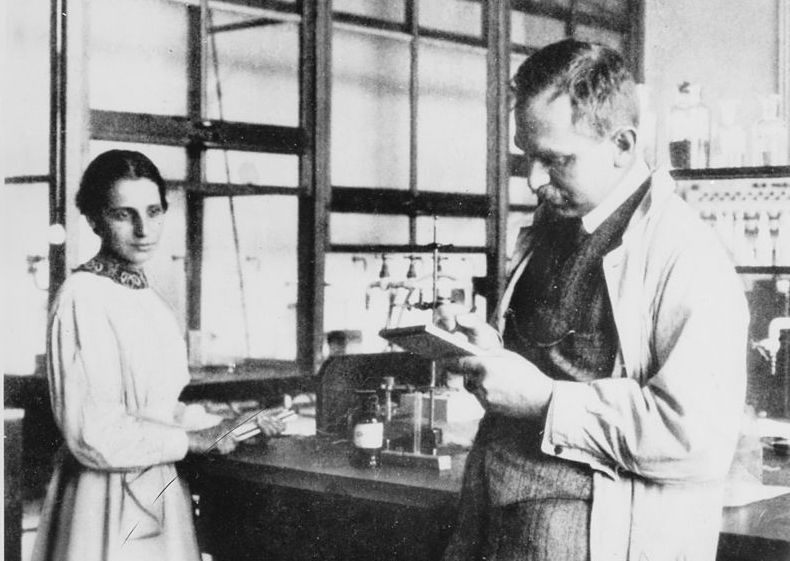
The Matilda Effect: How Women Scientists Have Been Erased from Science History
The article discusses 'The Matilda Effect,' a phenomenon where women scientists' contributions have been systematically erased or downplayed
 openculture.com·6mo ago
Book Review: Challenging Human Exceptionalism Through Animal Consciousness
A book review examining a new work that challenges human exceptionalism by exploring how our perceptions of other species are shaped by fami
 democracyjournal.org·9mo ago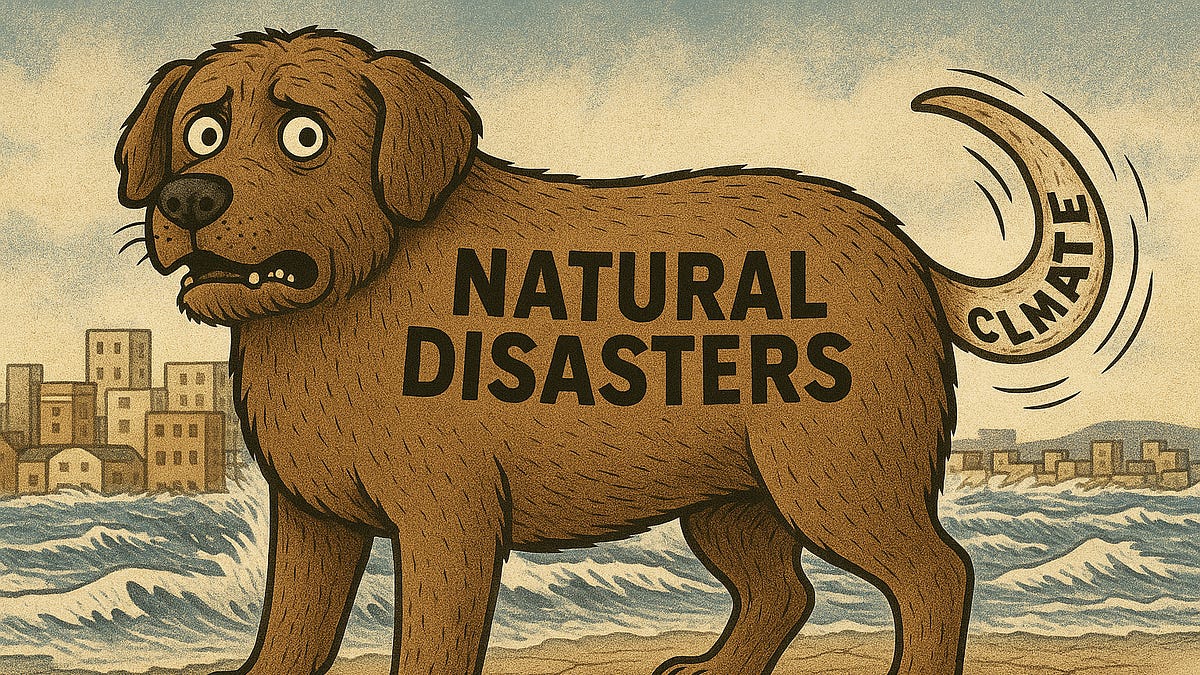
From Climate Catastrophism to Pragmatism: An Evolving Perspective on Climate Risk
The author reflects on his evolution from being a climate catastrophist to adopting a more pragmatic approach to climate change. He acknowle
 breakthroughjournal.org·7mo ago