





















France's Successful Nuclear Energy Expansion in the 1970s
By
paulpauper

The bagel they save for the regulars. Don't skim, savour.
Summary
The article examines France's successful nuclear energy program in the 1970s, contrasting it with the struggles of other Western nations. While the US and UK faced escalating costs, regulatory issues, and public opposition that halted nuclear expansion, France managed to build 37 nuclear reactors in just ten years through a unique approach that ensured local communities shared in the benefits of atomic power. The piece explores how France's centralized planning and community engagement strategies allowed it to overcome the challenges that plagued nuclear programs elsewhere.
Key quotes
· 5 pulledFrance built 37 nuclear reactors in ten years
To do this required making sure local communities shared in the benefits of atomic power
Sharply escalating costs, regulatory upheaval, and public opposition had made industry boasts of electricity 'too cheap to meter' seem increasingly hubristic
After peaking in 1973, new US nuclear reactor orders would drop to zero in 1979
Poor design and planning resulted in the UK's advanced gas reactor program running 50 percent over budget and years behind schedule
You might also wanna read

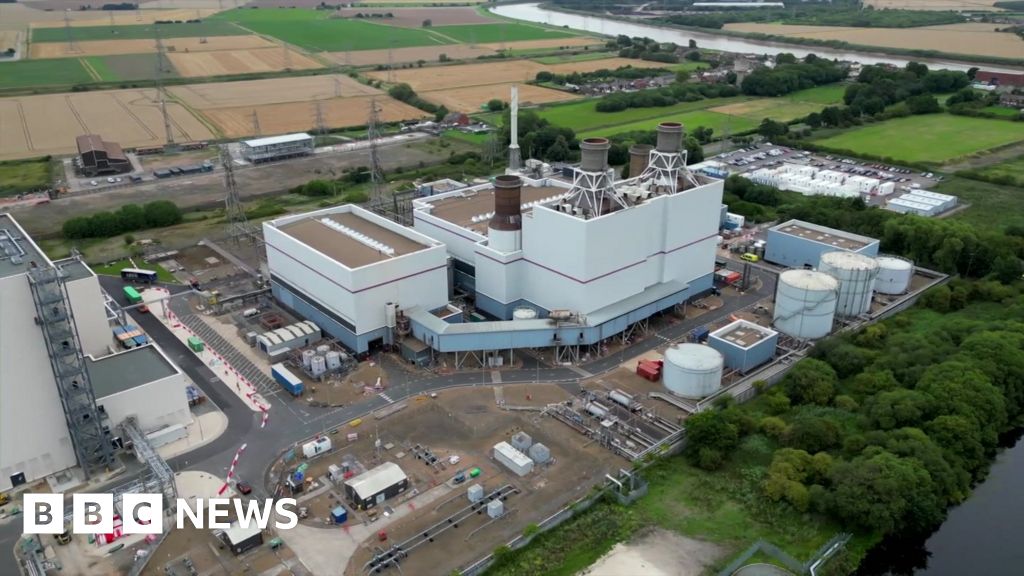
Humber hydrogen network campaign seeks £500m in UK government funding
Industry leaders, trade unions, and politicians held a parliamentary meeting to campaign for £500m in government funding to establish the Hu
 bbc.com·2h ago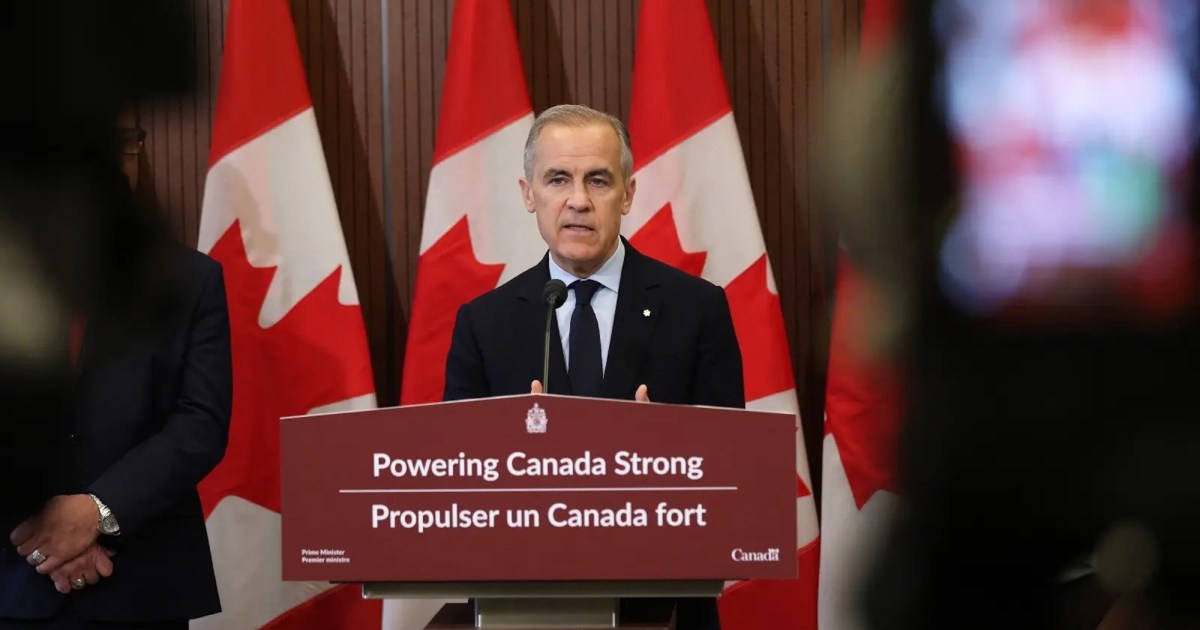
Canada shifts from climate leadership to oil expansion under Carney amid U.S. trade pressures
This article examines how Canada, once seen as a climate leader, is now doubling down on oil production under Prime Minister Mark Carney. De
 motherjones.com·13h ago
Canada shifts from climate leadership to oil expansion under Carney amid U.S. trade pressures
This article examines how Canada, once seen as a climate leader, is now doubling down on oil production under Prime Minister Mark Carney. De
motherjones.com·13h ago
Why Americans are furious at utility companies: A broken monopoly system drives soaring costs
Utility costs in the U.S. are reaching record highs, and antitrust analyst Matt Stoller argues the root cause is a broken system where utili
 msnbc.com·19h ago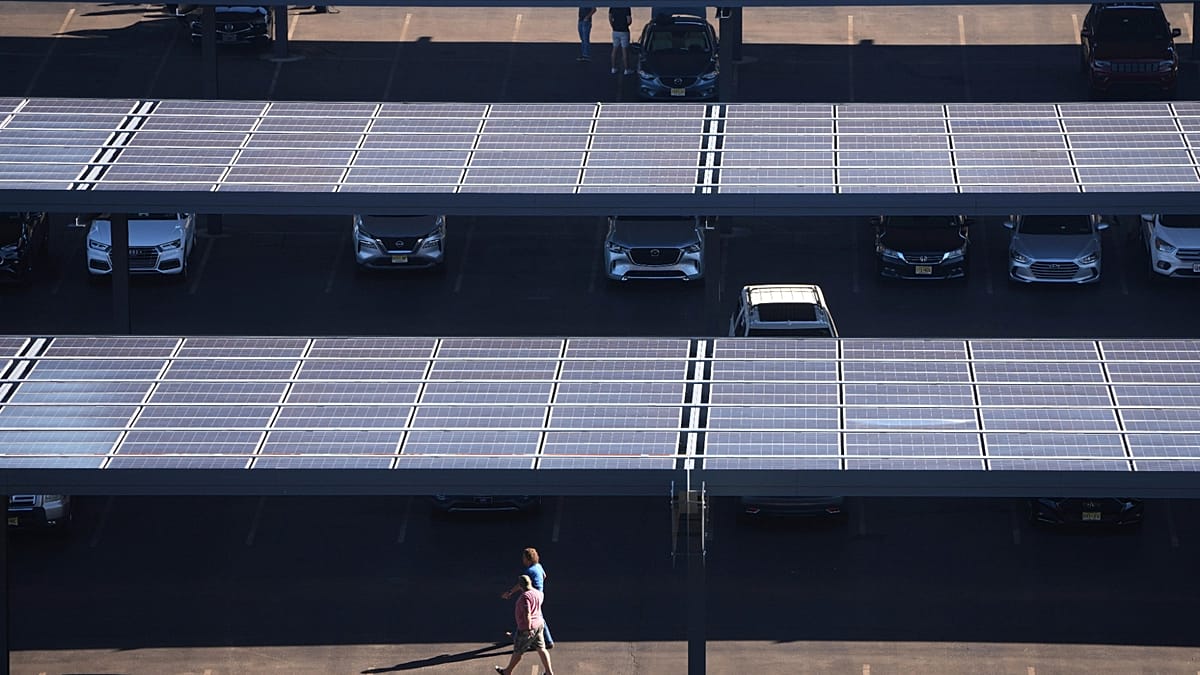
EU saved €51 billion in 2025 by cutting fossil fuel imports through renewable energy investment
Europe saved an estimated €51 billion in 2025 by reducing fossil fuel imports through increased investment in wind and solar energy, accordi
 euronews.com·19h ago
EU saved €51 billion in 2025 by cutting fossil fuel imports through renewable energy investment
Europe saved an estimated €51 billion in 2025 by reducing fossil fuel imports through increased investment in wind and solar energy, accordi
euronews.com·19h ago