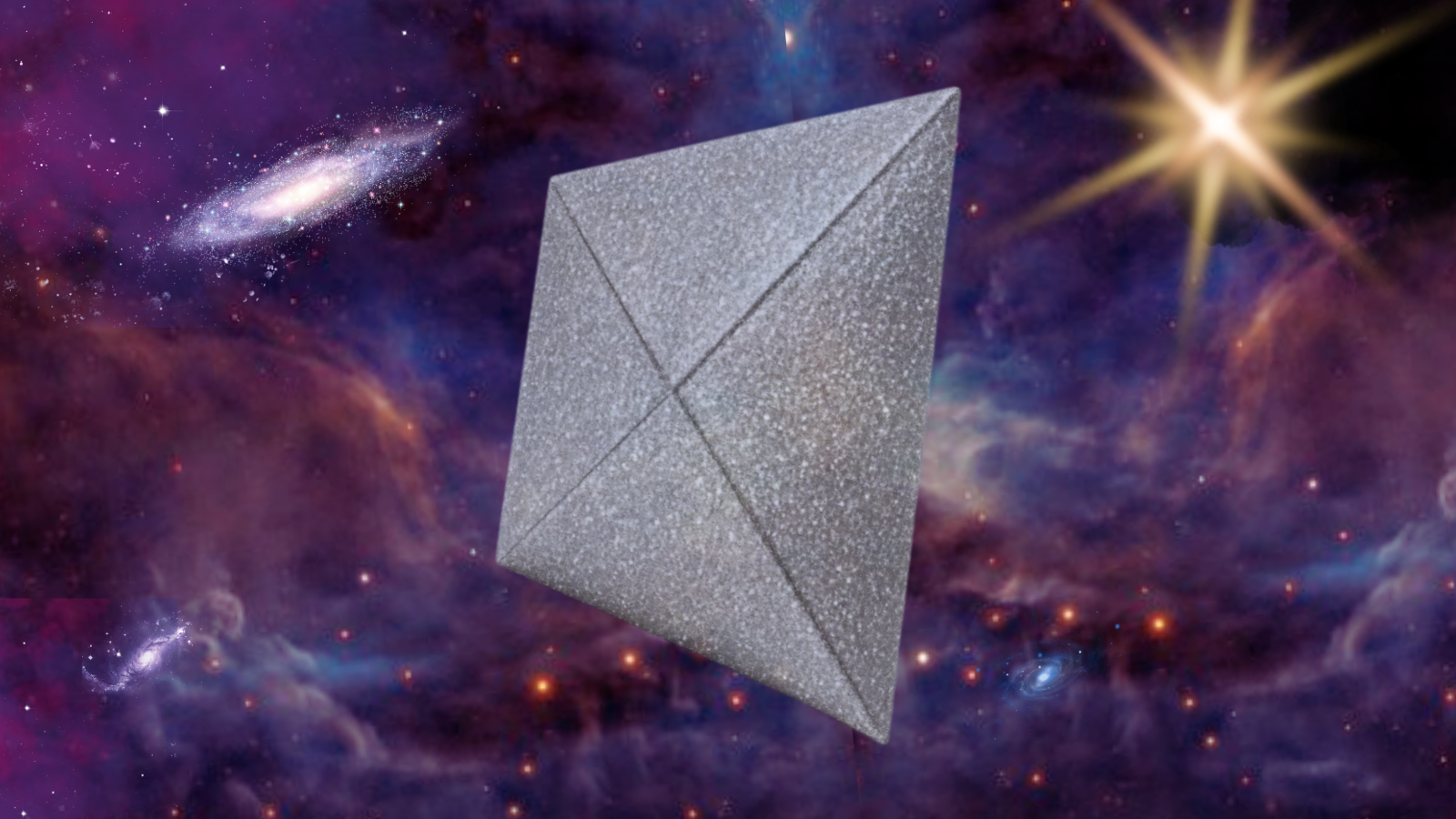
Feasibility Study of a Mission to Sedna Using Advanced Propulsion Concepts
By
speckx
11mo ago· 2 min readenInsight

75/100
Toasty
Bagelometer↗
Crisped on the outside, thoughtful enough on the inside.
Score75TypeanalysisSentimentneutral
Summary
The study assesses the feasibility of a mission to Sedna using advanced propulsion concepts: Direct Fusion Drive (DFD) and solar sail. DFD enables orbit insertion, while the solar sail envisions a flyby. Key parameters like payload capacity, travel time, and science return are evaluated. Results show DFD could reach Sedna in 10 years, and the solar sail in 7 years with Jupiter's gravity assist.
Key quotes
· 3 pulledExploring the outer reaches of the Solar System presents significant propulsion and mission design challenges.
The feasibility of science payload accommodation, power availability, and communication constraints is also considered.
Results indicate that the DFD could reach Sedna in approximately 10 years, with 1.5 years of thrusting.
Exploring the outer reaches of the Solar System presents significant propulsion and mission design challenges. This study assesses the feasibility of a mission to Sedna using two advanced propulsion concepts: the Direct Fusion Drive (DFD) rocket engine, b