





















Exploring Security Risks: Exploiting Power Domain Separation in Computing Devices
By
zdw

Hot, fresh, and worth queueing round the block for.
Summary
The article discusses the increasing dependence on computing devices for security-critical operations and the risks associated with physical access to these devices. It explores the exploitation of power domain separation to steal on-chip secrets, highlighting security vulnerabilities in embedded devices used in various sectors.
Key quotes
· 2 pulledAn increasingly connected world makes us dependent on computing devices that handle a wide range of security- and privacy-critical operations.
Physical access to these devices leads to a wide range of security exploits, including impersonation, proprietary software cloning, and infiltration and exploitation of industrial and defense infrastructures.
You might also wanna read


Report warns electromagnetic moon catapults could serve as first-strike weapons
A new report examines the strategic and security implications of placing electromagnetic mass drivers (essentially railguns) on the moon. Wh
 space.com·1d ago
Cryptology Organization Cancels Election Results After Losing Encryption Key
The International Association for Cryptologic Research (IACR), a leading global encryption organization, has cancelled the announcement of i
 bbc.com·6mo ago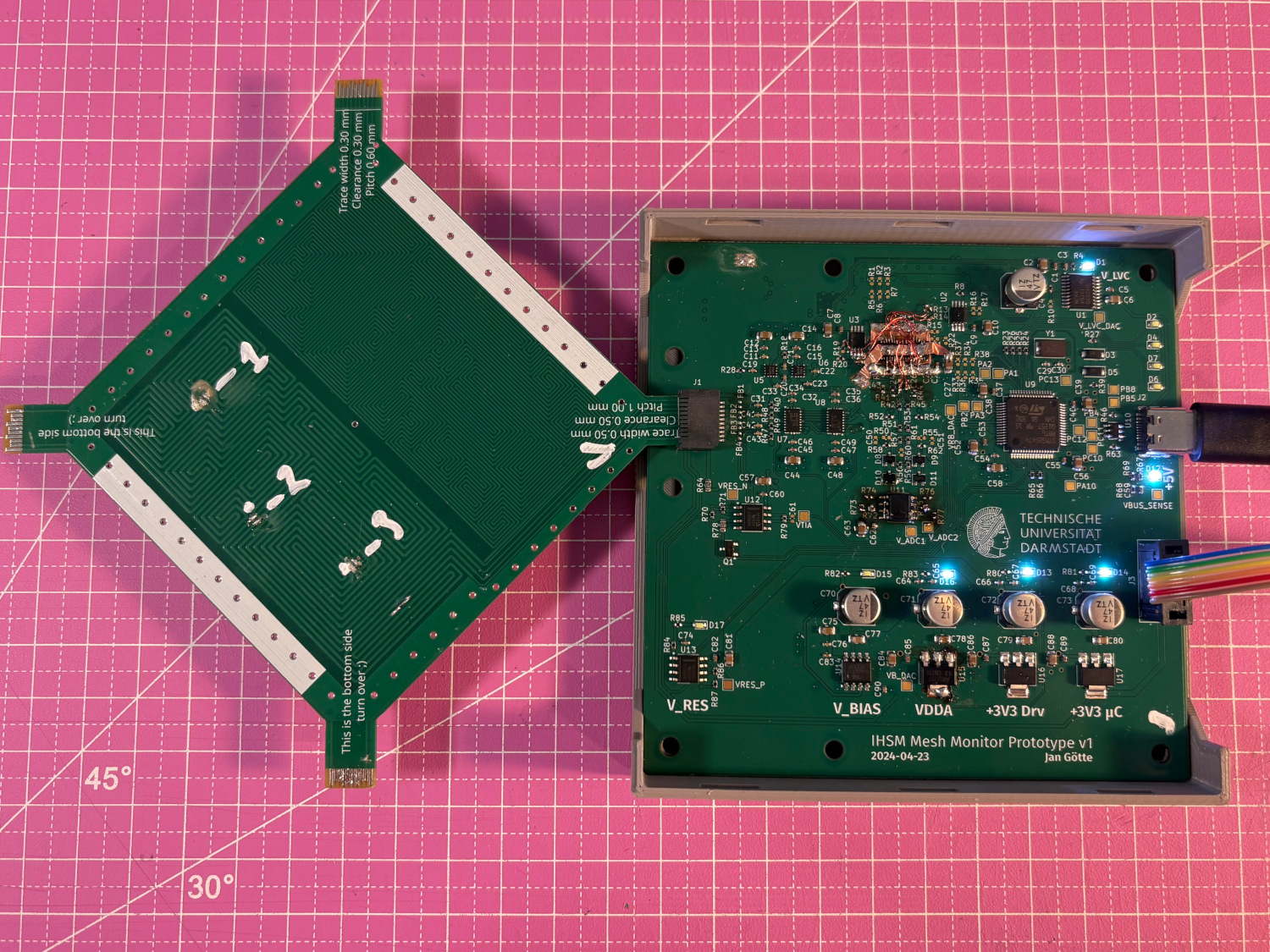
Low-Cost Time-Domain Reflectometry System for Tamper-Sensing Mesh Monitoring
A new research paper accepted at CHES (Cryptographic Hardware and Embedded Systems) conference presents a low-cost method for monitoring tam

Challenges in Generating Randomness for Computing Applications
Computer scientists explore the challenges of generating suitable randomness in computing applications and the reliance on hash functions. T
quantamagazine.org·10mo agoExploring Diverse Topics in Technology and Security
The article discusses various topics related to standardization, quantum computing, mass surveillance, and software development. It highligh

Lumos-Nexus: A Training-Efficient Two-Stage Framework for High-Fidelity Video Generation with Reasoning Capabilities
Lumos-Nexus is a training-efficient unified video generation framework that addresses the computational challenge of integrating large high-
 arxiv.org·35m ago