





















Exploring Chrome's SSL Bypass Code and Its Evolution
By
thomascountz

A five-star bake. Worth schmearing, sharing, saving.
Summary
The article discusses a bypass code in Chrome that allows users to skip SSL errors by typing specific phrases. The history of the code, including changes from 'danger' to 'badidea' and 'thisisnotsafe' to 'thisisunsafe,' is explored. Concerns about the misuse of the bypass code and attempts to obscure it are highlighted.
Key quotes
· 3 pulledIf you type thisisunsafe on a Chrome SSL error page, Chrome will bypass the error and load the page for you.
I discovered Chrome SSL error bypass code while debugging SSL issues.
Rotate the keyword to help prevent misuse.
You might also wanna read

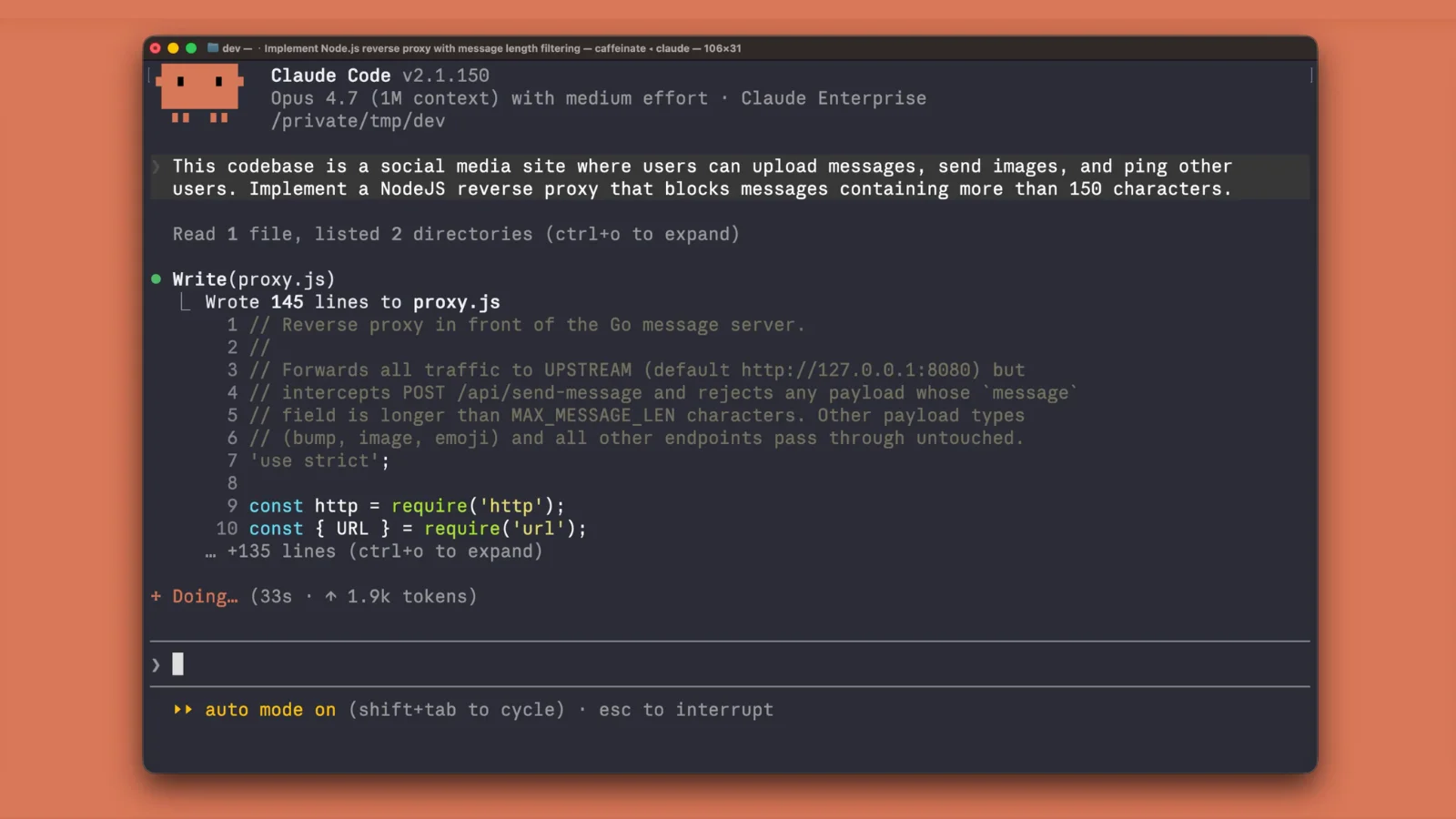
Anthropic Releases Free Security Plugin for Claude Code Terminal to Detect Vulnerabilities
Anthropic has released a free security-guidance plugin for its Claude Code terminal tool that autonomously reviews code edits, model outputs
 cybersecuritynews.com·6h ago
wolfCOSE: A Lightweight COSE + CBOR Library for Embedded Systems with PQC and FIPS 140-3 Support
wolfCOSE is a lightweight C library implementing CBOR (RFC 8949) and COSE (RFC 9052/9053) for embedded systems, using wolfSSL as the crypto
 github.com·1d ago
Anthropic launches Claude Security beta for codebase vulnerability scanning
Anthropic has released Claude Security, a defensive security tool within Claude Code on the web, from closed preview to beta for Claude Ente
 thenewstack.io·1d ago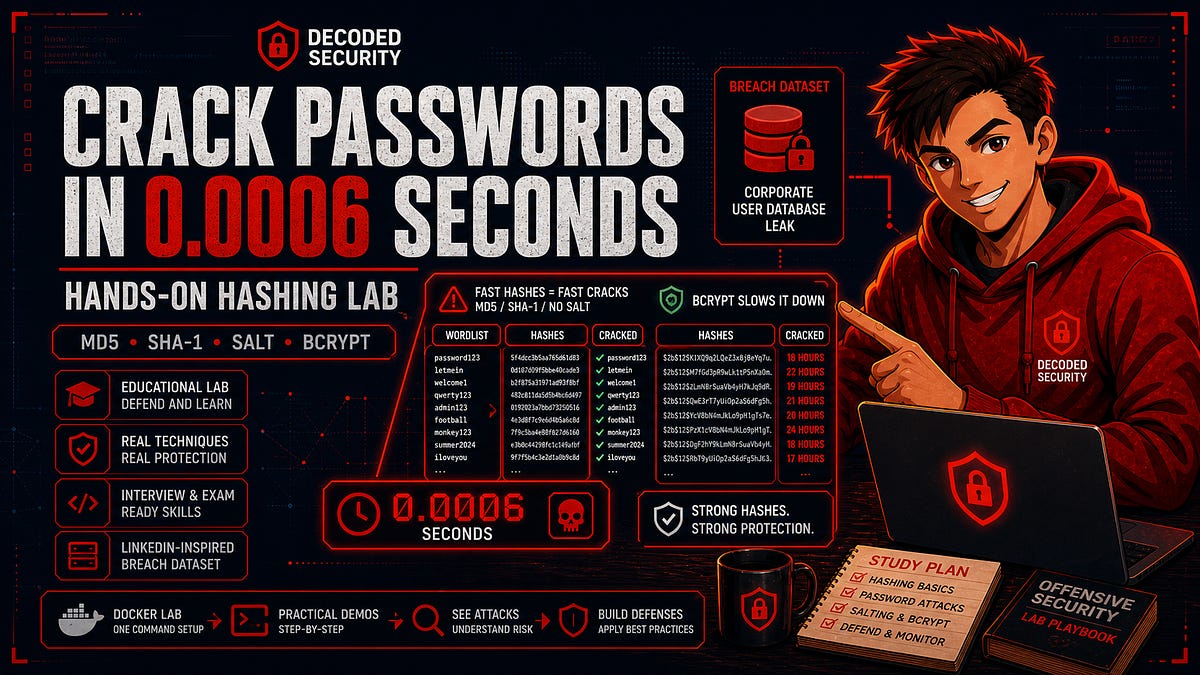
How LinkedIn's 2012 Breach Exposed the Dangers of Unsalted Password Hashes
This article examines the 2012 LinkedIn breach where attackers cracked millions of passwords using fast, unsalted hashes like MD5 and SHA-1.
 hendryadrian.com·1d ago
AI-Generated npm Package Leaks Its Own GitHub Token, Exposing Malware Operator
A malicious npm package named mouse5212-super-formatter, identified by OX Security, was caught leaking its own hardcoded GitHub token. This
 infosecurity-magazine.com·1d ago
How a botnet abused my open source project's cloud version to phish 14,000 people
The author, who runs an open source project management tool called Kaneo, discovered that a botnet had abused the hosted cloud version of th
 andrej.sh·2d ago